Book a Home Collection Now!
How Is a Jaundice Diagnosed and What Tests Are Required?
October 29, 2026 - By Lupin Diagnostics
You notice a yellowish tint in your eyes or skin — and naturally, want answers. Jaundice diagnosis begins with understanding that jaundice itself is a sign, not a disease. It signals something deeper going on inside your body. This article walks you through how doctors evaluate jaundice, what test is required for jaundice, and the special testing methods used for newborns. Knowing what to expect can ease your mind considerably.
What Happens in Your Body When Jaundice Develops?
Your body produces a yellow pigment called bilirubin daily. Healthy adults make roughly 250 to 350 mg of it every day. Normally, your liver processes this bilirubin and excretes it into bile.
When this process breaks down, bilirubin builds up in your blood. The visible yellowing appears once levels cross about 3 mg/dL. Three broad categories explain why this happens:
- Pre-hepatic: Excessive breakdown of red blood cells produces too much bilirubin for the liver to handle.
- Hepatic: The liver itself is damaged or inflamed, so it cannot process bilirubin properly.
- Post-hepatic: A blockage in the bile ducts prevents bilirubin from leaving the liver.
Identifying which type you have guides every step of testing that follows.
Also Read: Symptoms of High Bilirubin in Adults & Newborns
How Do Doctors Diagnose Jaundice in Adults Initially?
The first step of Jaundice diagnosis is a hands-on clinical evaluation. Your doctor will check for yellowing of your skin and the whites of your eyes (the sclera). They will also feel your abdomen for any swelling, lumps, or fluid build-up.
Beyond the physical exam, your medical history matters a great deal. Expect questions about:
- Recent weight loss or appetite changes
- Alcohol consumption and any medicines you take regularly
- Travel history to areas with hepatitis risk
- Any previous liver conditions in the family
This initial assessment helps the doctor decide whether the cause is likely obstructive — such as gallstones or tumours — or non-obstructive, like hepatitis or cirrhosis. Based on these clues, they order the right tests. This information is educational and should not replace a doctor's in-person evaluation.
Which Blood Tests Are Essential for Jaundice Diagnosis?
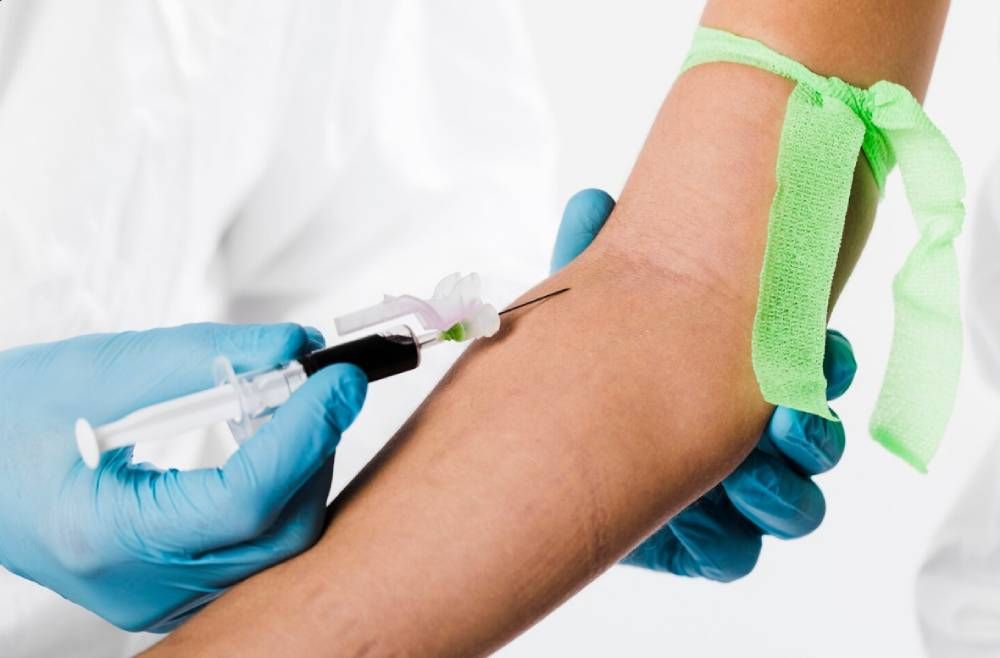
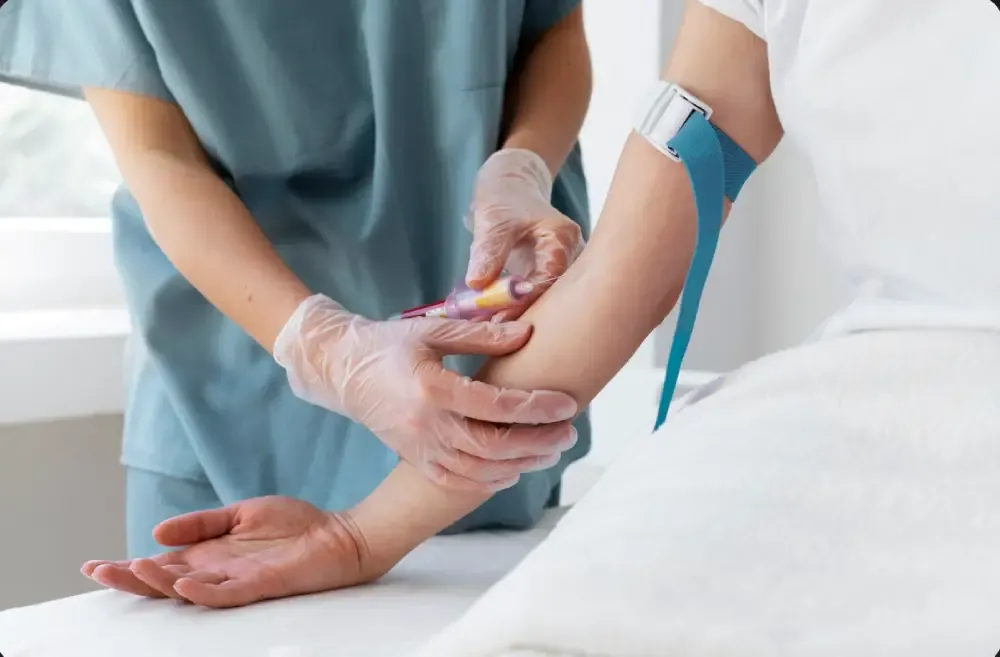
Blood tests form the backbone of how to diagnose jaundice in adults. Here is a breakdown of the key tests your doctor will typically order:
| Test | What It Measures | Why It Matters |
|---|---|---|
| Total Bilirubin Test | Overall bilirubin in blood | Confirms jaundice; normal range is 0.2-1.2 mg/dL |
| Direct (Conjugated) Bilirubin Test | Processed bilirubin | High levels suggest a liver or bile duct problem |
| Indirect (Unconjugated) Bilirubin Test | Unprocessed bilirubin | High levels point toward excessive red blood cell breakdown |
| ALT Test & AST Test | Liver enzymes | Elevated values indicate liver cell damage |
| Alkaline Phosphatase (ALP) Test | Enzyme linked to bile ducts | High ALP often signals a blockage |
| Complete Blood Count (CBC) Test | Red and white blood cells | Helps identify infections or haemolytic conditions |
| Hepatitis Panel Test | Viral markers | Checks for hepatitis A, B, or C infection |
A comprehensive initial evaluation also includes prothrombin time, albumin, and total protein levels. Together, these tests paint a clear picture of your liver's health. Your doctor will interpret these results based on your specific situation.
How Do Urine, Stool, and Imaging Tests Help?
Urine and Stool Clues
Sometimes the simplest observations offer strong clues. Dark-coloured urine can appear because conjugated bilirubin spills into it — something that does not happen in healthy individuals. This change can appear even before jaundice becomes visible. Pale or clay-coloured stools suggest bilirubin is not reaching your intestines, pointing toward a bile duct blockage.
Imaging Tests
When blood work suggests obstruction, imaging confirms it. Here are the common options:
- Abdominal Ultrasound: Usually the first imaging test. It has a diagnostic accuracy of roughly 83% for obstructive jaundice.
- CT Scan: Provides more detailed images when ultrasound findings are unclear.
- MRCP (Magnetic Resonance Cholangiopancreatography): A non-invasive scan considered highly reliable for evaluating bile duct problems.
- ERCP: A specialised procedure that can both diagnose and treat certain blockages.
In rare cases where blood tests and imaging do not explain the jaundice, a liver biopsy may be recommended. This involves taking a tiny tissue sample for closer examination. It is typically reserved for staging known liver disease or persistent, unexplained cases. Discuss any concerns about these procedures with your treating doctor.
Also Read: Bilirubin Blood Test: Causes, Health Effects & Costs
How to Detect Jaundice in Newborns
Jaundice is remarkably common in babies. Around 60% of full-term and 80% of premature infants develop it within their first week. Detecting it early is essential for safe management.
Doctors use these methods for newborn screening:
- Visual inspection: Applying gentle pressure to the baby's forehead or nose helps assess the extent of yellowing. However, this alone is not reliable enough for a diagnosis.
- Transcutaneous bilirubinometer (TcB): A painless, handheld device that measures bilirubin by placing it on the baby's skin and provides an instant estimate. It is used in babies born at 35 weeks or later who are over 24 hours old.
- Serum bilirubin blood test: This remains the gold standard. A small blood sample gives the most accurate reading.
When to seek urgent care: If jaundice persists beyond 14 days in a newborn, it should not be considered normal. Prompt evaluation is needed to rule out serious conditions like cholestatic liver disease. In adults, warning signs like high fever, severe abdominal pain, confusion, or intense itching with pale stools also call for immediate medical attention.
Making Sense of Your Jaundice Diagnosis
Early testing, from a simple bilirubin blood test to advanced imaging, helps your doctor identify the exact cause of the yellowing. Whether the cause is a liver condition, bile duct blockage, or something else entirely, timely jaundice diagnosis makes effective treatment possible. The key is not to delay getting evaluated.
If you or a family member has noticed signs of jaundice, getting your bilirubin and liver function checked is a good first step. Lupin Diagnostics offers comprehensive blood tests and liver panels at NABL-accredited labs across India, with home collection services for added convenience.
Frequently Asked Questions
How do doctors check for jaundice at home?
Doctors cannot definitively diagnose jaundice at home. While yellowing of the skin or eyes may be visible, a blood test measuring bilirubin levels is needed to confirm the diagnosis.
Does jaundice show up in a blood test?
Yes. Serum bilirubin testing measures total, direct, and indirect bilirubin levels. This is the primary method used to confirm jaundice and understand its type.
What is the normal range for a bilirubin test?
For adults, normal total serum bilirubin ranges from 0.2 to 1.2 mg/dL. Visible jaundice typically appears when levels rise above 2.5–3 mg/dL.
How long do jaundice test results take?
Serum bilirubin results generally come back within a few hours. For newborns, a transcutaneous bilirubinometer provides an immediate bedside reading.
Can an ultrasound detect the cause of jaundice?
Ultrasound is often the first imaging test used. It has a sensitivity of about 85% in detecting obstructive causes such as gallstones or bile duct dilation.
Is a liver biopsy always required for jaundice?
It is not. A liver biopsy is reserved for cases where blood tests and imaging do not reveal a clear cause, or when doctors need to stage an existing liver condition.
This article is for informational purposes only and does not substitute professional medical advice, diagnosis, or treatment. If you have concerns about jaundice or any other health condition, please consult a qualified healthcare provider.
Featured Articles
Dehydrated How To Make A Lifesaving Diy Rehydration Drink For Cholera Recovery
Posted on: 22nd Jan 2026
Diabetes Screening For Diagnosis And Prevention
Posted on: 25th Oct 2023
Eating To Recover: The Best Foods For Getting Back On Your Feet After Cholera
Posted on: 22nd Jan 2026