Book a Home Collection Now!
How to Diagnose Chikungunya Fever: Best Tests for Early and Late Stages
August 5, 2026 - By Lupin Diagnostics
A sudden high fever with crushing joint pain can leave you wondering — is it dengue, chikungunya, or something else? Knowing how to diagnose chikungunya fever early makes all the difference. Chikungunya shares symptoms with dengue and Zika, making accurate testing essential. This article walks you through exactly which tests work best and when to get them.
When Should You Get Tested for Chikungunya?
Certain signs should prompt you to get a blood test done quickly. Chikungunya typically shows up with a distinct pattern worth recognising.
Watch for these clinical triggers:
- Abrupt high fever — often above 39°C, appearing suddenly
- Severe joint pain on both sides — wrists, ankles, and knees are commonly affected
- Skin rash — a flat, reddish rash that may appear days after fever
- Recent travel to areas where chikungunya spreads
- Headache, muscle pain, nausea, or fatigue alongside the fever
Symptoms usually appear 3–7 days after a mosquito bite. The range can stretch from 1 to 12 days. If you notice this combination — especially fever with joint pain — visit your doctor promptly.
How to Diagnose Chikungunya Fever Across Different Stages
The right test depends entirely on timing. Your body responds to the chikungunya virus in phases, and each phase calls for a different approach.
Early-Stage Diagnosis (Days 1–8): RT-PCR Testing
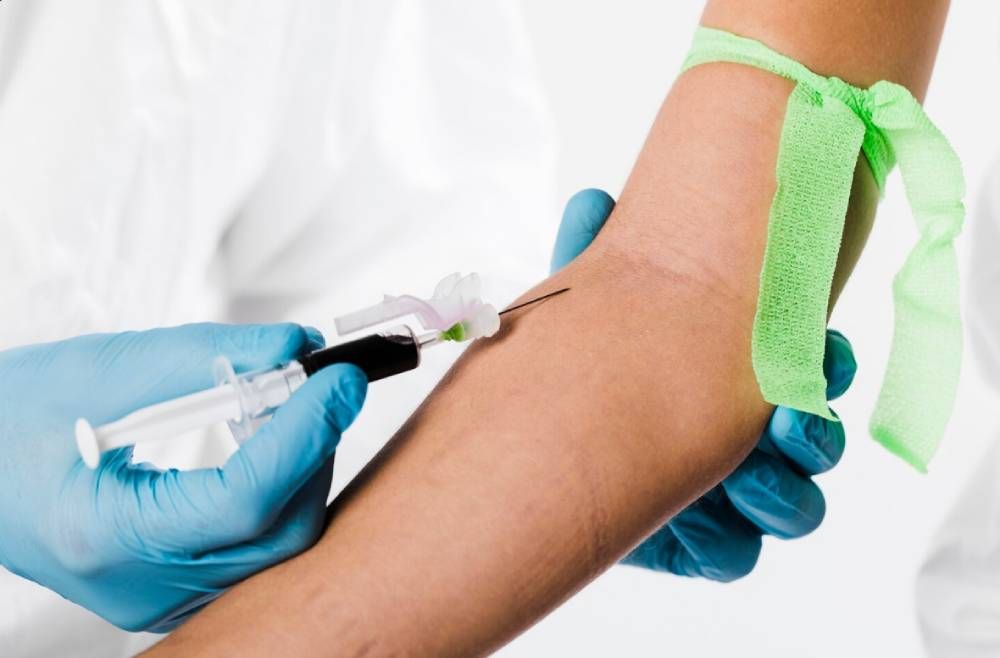
During the first week, the virus circulates at high levels in your blood. This makes Reverse Transcription Polymerase Chain Reaction (RT-PCR) the most reliable option. RT-PCR picks up viral RNA directly from your serum within the first 8 days of illness.
Why does this matter? Antibody-based tests often miss the infection this early. Your immune system simply hasn't produced enough antibodies yet. RT-PCR fills this gap by detecting the virus itself, not your body's response to it.
Your doctor will guide you on the best tests for diagnosing chikungunya based on your symptoms and timeline.
Late-Stage Diagnosis (Day 5 Onward): Antibody Tests
Once the first week ends, viral levels drop. Antibody tests then become the better choice. IgM antibodies typically develop toward the end of week one and can remain detectable for weeks.
Here is how to interpret antibody results:
| Antibody Type | Appears | Stays Detectable | What It Tells You |
|---|---|---|---|
| IgM | End of week 1 | Several weeks | Recent or active infection |
| IgG | After IgM | Months to years | Past infection or recovery phase |
One important note — positive IgM results sometimes need confirmation through neutralising antibody testing, since false positives can occur. Discuss your results with a qualified healthcare professional for accurate interpretation.
Rapid Diagnostic Tests (RDTs)
RDTs use simple test strips that give quick results. They are handy in field settings and do not need cold storage. However, they work best as screening tools. A positive RDT should ideally be confirmed through laboratory testing such as RT-PCR or ELISA.
Supportive Blood Panels
Since chikungunya looks similar to several other infections, your doctor may recommend additional tests:
- Dengue and Zika panels — to rule out these closely related viral infections
- Complete Blood Count (CBC) — to check for changes in white blood cells or platelets
- ESR or CRP tests — to assess joint inflammation levels
- Malaria screening — especially relevant in endemic regions
These panels help narrow down the diagnosis and guide your doctor's next steps.
Also Read: Top Fever Tests Doctors Recommend During the Monsoon
Which Is the Best Test to Diagnose Chikungunya by Timeline?
Choosing the right test comes down to one question — how many days since your fever started?
| Parameter | RT-PCR | IgM ELISA | IgG ELISA | RDT Strips |
|---|---|---|---|---|
| Best Window | Days 1–8 | Day 5 onward | 2nd Week onward | Days 5–7 onward |
| Sample | Blood serum | Blood serum | Blood serum | Blood (finger prick) |
| What It Detects | Viral RNA | Recent antibodies | Past antibodies | IgM/IgG antibodies |
| Turnaround | Hours to 1–2 days | 1–2 days | 1–2 days | 15–30 minutes |
| Best For | Early confirmation | Active/recent infection | Recovery or past infection | Quick screening |
This comparison is for general awareness. Your healthcare provider will recommend the most suitable test for your situation.
How Should You Read Your Chikungunya Test Results?
Understanding your report helps you have a more informed conversation with your doctor.
- RT-PCR positive — the virus is present in your blood, confirming active infection
- IgM positive — suggests a recent infection, though confirmation may be needed
- IgG positive alone — typically points to a past infection
- Negative result in week one — does not always rule out chikungunya
If your initial test comes back negative but symptoms persist, a follow-up convalescent sample is often recommended. This second sample, taken a few weeks later, helps rule out the diagnosis more reliably. Always have your results reviewed by a doctor who can consider your full clinical picture.
After diagnosis, the focus shifts to recovery. Chikungunya is generally self-limited, but joint pain can linger for months in some people. Rest, hydration, and medical guidance for pain management all support healing.
Also Read: Fever Home Care Guide: Practical Tips for Families
Conclusion
The golden rule for chikungunya diagnosis is simple — choose RT-PCR during the first week and antibody tests from day 5 onward. Matching the right test to the right window gives you the clearest answers and helps your doctor plan your care effectively.
If you or a family member need to get tested, Lupin Diagnostics offers a comprehensive range of diagnostic tests at NABL-accredited labs and convenient collection centres across India. Book your test today for reliable, timely results.
Frequently Asked Questions
How long does it take to show symptoms of chikungunya?
Most people develop symptoms within 3–7 days of being bitten by an infected mosquito. The range can extend from 1 to 12 days in some cases.
Is there any test to confirm chikungunya?
Yes. Laboratory diagnosis uses either RT-PCR to detect viral RNA or serological tests to detect IgM and neutralising antibodies, depending on the stage of illness.
What are the symptoms of chikungunya?
Common chikungunya symptoms include fever, severe joint pain, joint swelling, muscle pain, headache, nausea, fatigue, and rash.
Where is chikungunya found?
The virus has been reported in over 110 countries across Asia, Africa, Europe, and the Americas.
How many days after fever onset can a chikungunya blood test detect the virus?
RT-PCR can identify viral RNA in serum during the first 8 days of illness, making it the preferred early test.
What is the difference between an RT-PCR test and an IgM antibody test for chikungunya?
RT-PCR detects the virus's genetic material during days 1–8. IgM Dengue Dengue tests detect your immune response and become useful from the end of week one onward.
Can a chikungunya test yield a false-negative result if taken too early?
Yes. Antibody-based tests may miss the infection during the first few days, since IgM antibodies have not yet developed. RT-PCR is more reliable during this early window.
This article is for informational and educational purposes only. It does not substitute professional medical advice, diagnosis, or treatment. If you suspect chikungunya or any other infection, please consult a qualified healthcare provider for proper evaluation and care.
Featured Articles

Sleep Deprivation Effects How Poor Sleep Impacts Your Heart And Kidney Health
Posted on: 22nd Jan 2026

What A Complete Blood Count (CBC) Tells You About Your Health
Posted on: 22nd Jan 2026

Screen Time Fatigue And Vitamin D Deficiency The Hidden Connection You Shouldn T Ignore
Posted on: 22nd Jan 2026