Book a Home Collection Now!
How to Diagnose Chickenpox and Which Test is Required?
September 17, 2026 - By Lupin Diagnostics
That itchy, blistery rash might look like textbook chickenpox, but knowing how to diagnose chickenpox accurately matters more than you might think. For pregnant women, adults, and those with weakened immunity, a confirmed diagnosis can guide timely care. This article walks you through clinical examination, laboratory tests, and what to expect at a diagnostic appointment.
How Is Chickenpox Detected Through Clinical Examination?
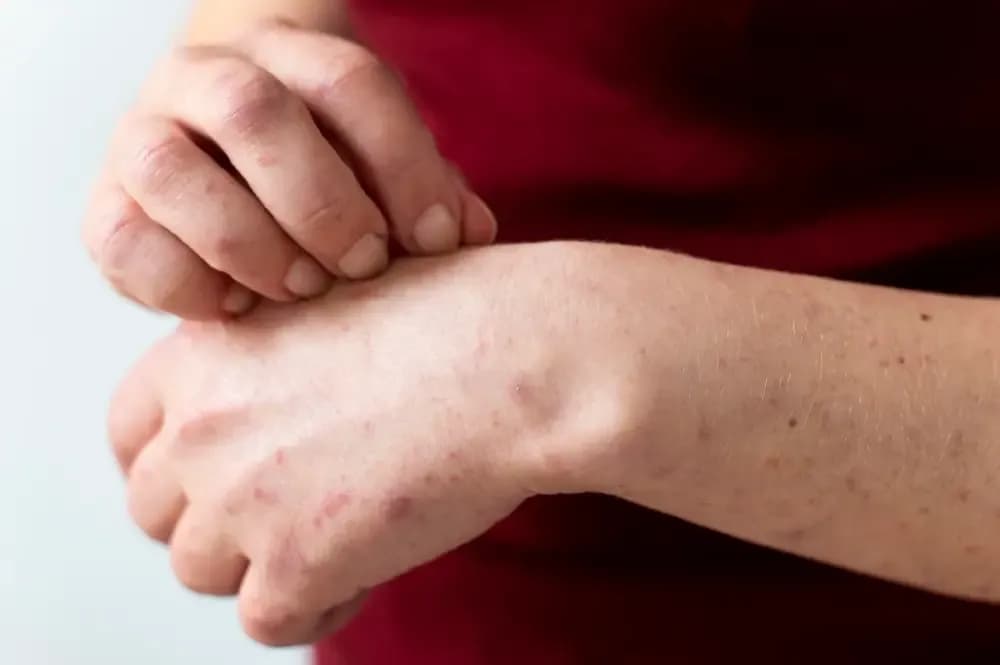
In most cases, a doctor can identify chickenpox simply by looking at the rash. The clinical diagnosis starts with recognising the classic progression. Flat red spots turn into raised bumps, then fluid-filled blisters, and finally dry crusts. A hallmark feature is that lesions in different stages appear at the same time.
The rash usually shows up first on the chest, back, and face. It then spreads across the body. Before the rash appears, adults may experience mild fever, tiredness, or loss of appetite for a day or two. In children, however, the rash itself is often the first visible sign.
When Do Doctors Require Laboratory Tests for Chickenpox?
Visual assessment works well for typical cases. However, certain situations call for confirmatory lab work. Doctors may order tests under these circumstances:
- Atypical rashes: Mild or unusual-looking lesions that do not follow the classic pattern.
- Vaccinated individuals: Breakthrough chickenpox in vaccinated people often causes a mild, atypical rash that is harder to recognise.
- Immunocompromised patients: Those on chemotherapy or immunosuppressive medicines may develop unusual rash patterns.
- Pregnant women: Confirming the diagnosis quickly helps guide safe management.
- Public health needs: Outbreak settings require definitive proof of the varicella-zoster virus (VZV).
Diagnostic decisions should always be made by a qualified healthcare professional based on individual circumstances.
Also Read: Viral Fever: Causes, Early Symptoms & Warning Signs
Which Test Is Required to Diagnose Chickenpox?
Several laboratory methods can confirm a VZV infection. Here is what each one involves:
1. Polymerase Chain Reaction (PCR) Test (Gold Standard)
The PCR test for chickenpox is the most reliable option available today. Key points include:
- Detects VZV DNA from a vesicular fluid swab, scab, or lesion crust
- Delivers results within several hours
- Sensitivity reaches 97.6%–100%, far exceeding other methods
- Preferred for both unvaccinated and vaccinated patients
2. Serology Testing (IgM & IgG Antibody Blood Tests)
An IgM and IgG antibody blood test measures your body's immune response to VZV:
- IgM antibodies suggest an active or recent infection
- IgG antibodies indicate past infection or vaccination, confirming lifelong immunity
- IgM serology has limited diagnostic value on its own but supports diagnosis alongside symptoms
3. Direct Fluorescent Antibody (DFA) Assay
This test examines skin swab cells under a fluorescence microscope:
- Detects VZV antigens directly from lesion samples
- Sensitivity sits around 87.8%, lower than PCR
- Serves as a reasonable alternative when PCR is unavailable
4. Viral Culture Test
The varicella viral culture grows the virus from lesion fluid in a laboratory setting:
- Takes several days to produce results (3–14 days)
- Less sensitive than PCR, so it is rarely the first choice today
- Still used occasionally in research or specialised settings
5. Tzanck Smear
The Tzanck smear involves scraping the base of a blister and examining cells under a microscope:
- Results are available within minutes
- Identifies herpetic infection but cannot distinguish between VZV and herpes simplex virus
- Considered a rapid screening tool rather than a definitive test
Diagnostic Tests for Chickenpox Compared
This table offers a quick-reference comparison of all major tests:
| Test Name | Sample Type | Turnaround Time | Accuracy Level | Primary Use |
|---|---|---|---|---|
| PCR (Gold Standard) | Vesicular fluid, scabs | Several hours | Most sensitive and specific | Confirming VZV in all patients |
| DFA Assay | Skin swab cells | 1–3 days | ~87.8% sensitivity | Rapid antigen detection |
| Serology (IgM/IgG) | Blood | Days to weeks | Limited for acute cases | Checking past immunity |
| Viral Culture | Vesicular fluid | 3–14 days | Less sensitive than PCR | Traditional confirmation |
| Tzanck Smear | Blister base scraping | Minutes | Cannot differentiate VZV/HSV | Rapid screening only |
What Conditions Can Mimic Chickenpox?
Differential diagnosis is important because several conditions look similar to chickenpox. Doctors consider these possibilities:
- Hand-foot-and-mouth disease: Common in young children, with sores in the mouth and rash on palms and soles.
- Insect bites: Clustered bites may resemble early chickenpox bumps.
- Contact dermatitis: Allergic skin reactions can produce blisters.
- Shingles: Caused by the same virus but appears as a painful band on one side of the body.
- Monkeypox: Overlapping symptoms make laboratory testing essential for accurate differentiation.
- Impetigo: A bacterial skin infection with honey-coloured crusting.
When the rash pattern is unclear, PCR or DFA testing helps rule out these look-alikes. Your doctor is the right person to determine which tests you need.
Also Read: Fever in Children vs. Adults: Care & Testing Differences
What Happens During a Chickenpox Diagnostic Appointment?
Preparing for your visit makes the process smoother. Keep these practical points in mind:
- Call the clinic beforehand. Chickenpox spreads easily. Informing the staff helps them prevent transmission to other patients.
- Note your symptom timeline. When did the fever or rash start? This helps your doctor assess the stage of illness.
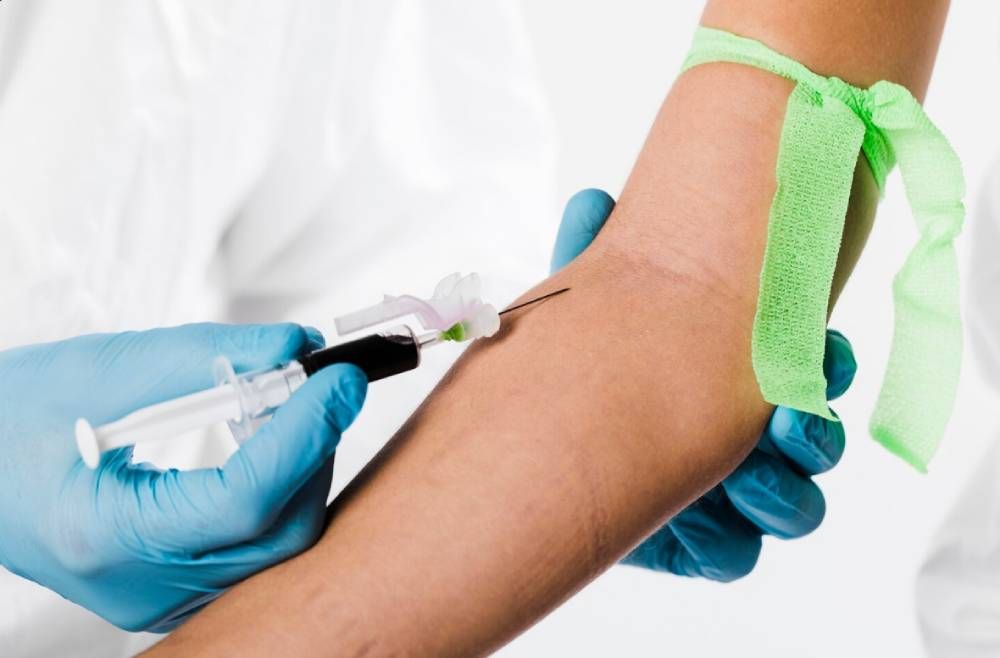
- Expect a skin swab. If lab testing is needed, a healthcare worker will gently collect fluid from a fresh blister. The process takes just a few seconds.
- Wear loose, comfortable clothing. This makes the examination and sample collection easier.
Conclusion
Understanding which test is required to diagnose chickenpox helps you feel prepared rather than anxious. For most people, a doctor's visual examination is enough. When confirmation is needed, the PCR test offers the fastest, most accurate results. Early diagnosis supports timely care and helps protect those around you.
If you need a blood test to check your VZV immunity or confirm an active infection, Lupin Diagnostics offers reliable testing at NABL-accredited labs and convenient collection centres across India.
Frequently Asked Questions
Can a blood test confirm if you had chickenpox in the past?
Yes. A VZV IgG antibody blood test detects lifelong antibodies from a previous infection or vaccination. A positive IgG result confirms past exposure and immunity.
How long do chickenpox PCR test results take to come back?
Real-time PCR results are typically available within several hours. This makes it the quickest confirmatory lab test for VZV.
Is a lab test always necessary to diagnose chickenpox?
Not always. Chickenpox has traditionally been diagnosed based on its characteristic rash. Lab tests become important when the presentation is mild, atypical, or occurs in vaccinated individuals.
How do doctors test for breakthrough chickenpox in vaccinated people?
PCR testing of skin lesions is the preferred method. Breakthrough cases often produce fewer blisters, so lab confirmation helps establish a clear diagnosis.
What is the most accurate test for varicella-zoster virus?
The real-time PCR test is the most sensitive and specific method available for confirming VZV infection in both vaccinated and unvaccinated individuals.
Can chickenpox be diagnosed before the rash appears?
It is difficult. Adults may have a mild fever and tiredness one to two days before the rash, but in children, the rash is often the first noticeable sign. A definitive diagnosis before rash onset is uncommon.
This article is for informational purposes only and does not constitute medical advice, diagnosis, or treatment. Always consult a qualified healthcare professional for any health concerns or before making decisions related to your health.
Featured Articles

Sleep Deprivation Effects How Poor Sleep Impacts Your Heart And Kidney Health
Posted on: 22nd Jan 2026

What A Complete Blood Count (CBC) Tells You About Your Health
Posted on: 22nd Jan 2026

Screen Time Fatigue And Vitamin D Deficiency The Hidden Connection You Shouldn T Ignore
Posted on: 22nd Jan 2026