Book a Home Collection Now!
How to Diagnose Brain Fever and Which Test is Required to Check Meningitis?
September 17, 2026 - By Lupin Diagnostics
A sudden high fever, splitting headache, and stiff neck can be terrifying. Understanding how to diagnose brain fever early matters because every hour counts. Meningitis is a medical emergency that demands rapid hospital evaluation. This article walks you through the clinical signs, laboratory tests, and imaging tools doctors use to confirm or rule out this serious condition.
What Is the Difference Between Brain Fever and Meningitis?
"Brain fever" is a common term in India. It broadly covers inflammation of the brain or its surrounding membranes. Medically, these are two related but distinct conditions.
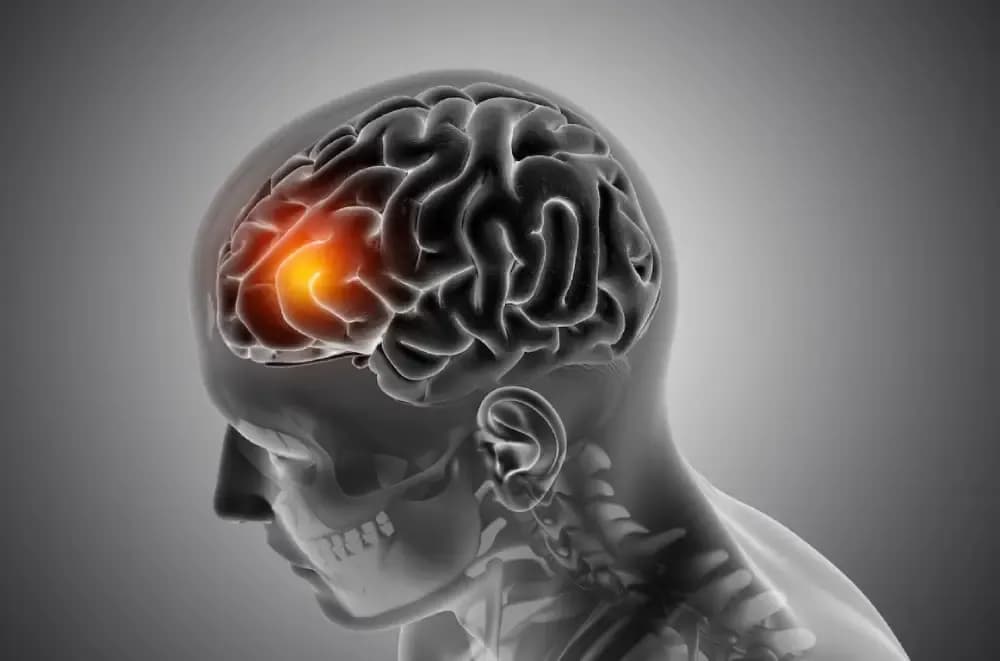
Meningitis means inflammation of the meninges, the protective layers around the brain and spinal cord. Encephalitis refers to inflammation of the brain tissue itself. Both can be caused by bacteria, viruses, fungi, or parasites.
Bacterial vs viral meningitis differs sharply in severity. Bacterial forms affect over 1 million people globally each year and carry higher risks of lasting neurological damage.
Also Read: Viral Fever: Causes, Early Symptoms & Warning Signs
How Do Doctors Spot Early Red Flags During Physical Screening?
When a patient arrives at the emergency room with suspected brain fever, doctors begin with bedside neurological checks. These quick assessments guide the next steps.
Classic Clinical Signs: Kernig's and Brudzinski's
Physicians use two well-known physical tests to check for meningeal irritation:
- Kernig's sign: The doctor bends the patient's hip and knee, then straightens the knee. Pain or resistance suggests meningeal inflammation.
- Brudzinski's sign: The doctor gently flexes the patient's neck forward. An involuntary bending of the knees and hips indicates irritation.
These signs have a specificity of about 95%, meaning a positive result strongly points to bacterial meningitis. However, their sensitivity is only around 5%. In other words, a negative result does not rule out the condition.
Your doctor will always combine these with other tests for an accurate picture.
Emergency Symptom Assessment
Doctors also evaluate the following physical signs during initial screening:
- High-grade fever with no obvious source
- Sensitivity to light (photophobia)
- Altered consciousness or confusion
- Skin rashes, especially small reddish-purple spots called petechiae
- Focal neurological problems like weakness on one side
Early signs of meningococcal disease can mimic less serious illnesses. That is precisely why hospital evaluation is so important.
Which Test Is Required to Check Meningitis? The Diagnostic Gold Standard
The single most important test is a lumbar puncture, also called a spinal tap. During this procedure, a doctor inserts a thin needle into the lower back to collect cerebrospinal fluid (CSF). This fluid bathes the brain and spinal cord. Analysing it provides a definitive diagnosis.
Ideally, the lumbar puncture is done before antibiotics are started. However, if bacterial meningitis is strongly suspected, doctors will begin intravenous antibiotics immediately without waiting for results.
1. Cerebrospinal Fluid (CSF) Analysis Parameters
The lab evaluates several markers in the collected spinal fluid:
- White blood cell count: Neutrophil dominance suggests bacterial infection. Lymphocyte dominance points toward viral causes.
- Glucose levels: Low CSF glucose is a hallmark of bacterial meningitis.
- Protein concentration: Elevated protein supports a bacterial diagnosis.
- Gram stain: This identifies bacteria directly. It has 85% sensitivity and 99% specificity.
2. PCR Testing and Cultures
Beyond basic analysis, two advanced tests help pinpoint the exact pathogen:
- Multiplex PCR panels can identify up to 14 bacterial, viral, and fungal pathogens. Results arrive in roughly 1 hour.
- CSF cultures confirm the organism but take 48 to 72 hours. Prior antibiotic use can affect accuracy.
Also Read: What To Do And Not Do When You Have A Fever At Home
What Secondary Tests Help Detect Brain Fever?
Doctors often use additional tools alongside CSF analysis for a complete picture.
1. Neuroimaging: CT Scan and MRI
A brain CT scan is frequently performed before a lumbar puncture. It helps rule out a brain mass or swelling that could make the spinal tap unsafe. MRI provides more detailed images and can reveal brain tissue inflammation seen in encephalitis diagnosis.
2. Blood Work and Blood Cultures
Comprehensive blood tests support the diagnosis and assess overall severity:
- Complete Blood Count (CBC) checks for elevated white cells.
- Blood procalcitonin helps distinguish bacterial from viral meningitis. It shows 87% sensitivity and 85% specificity.
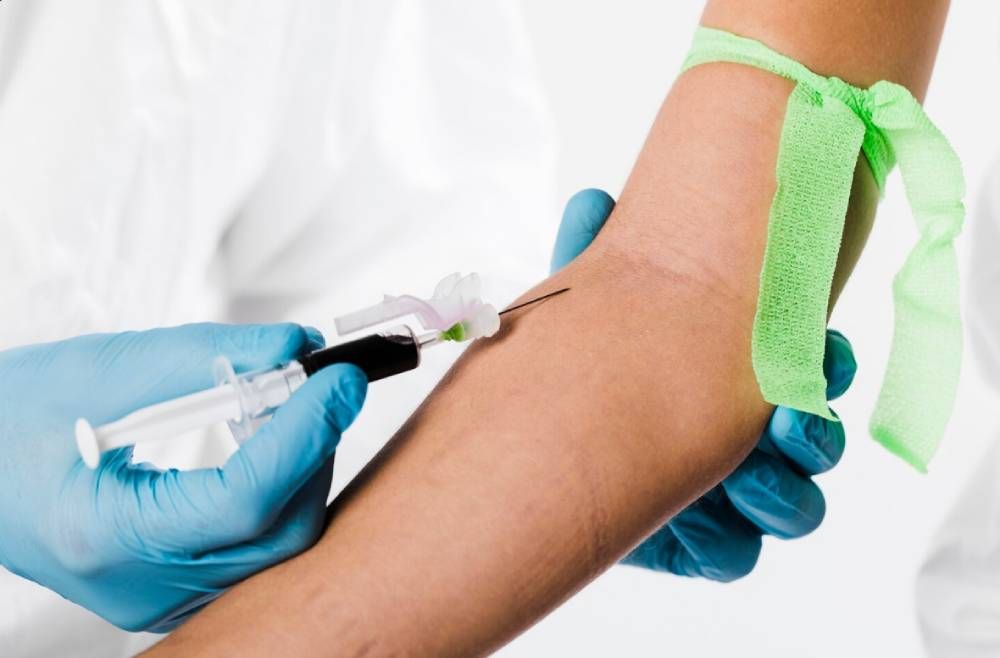
- Blood cultures can detect bacteria circulating in the bloodstream.
3. EEG for Encephalitis
An electroencephalogram (EEG) records brain wave activity. In herpes simplex encephalitis, it often shows characteristic abnormal patterns in the temporal lobe regions. This helps confirm encephalitis when CSF results are inconclusive.
Quick-Reference: Diagnostic Tests for Brain Fever and Meningitis
Here is a summary of the key diagnostic tools at a glance:
| Test | Type | Primary Purpose | Accuracy | Time to Result |
|---|---|---|---|---|
| CSF Analysis (Lumbar Puncture) | Spinal | Definitive meningitis diagnosis | Gold standard | 1-2 hours (basic) |
| CSF Gram Stain | Spinal | Bacterial identification | 85% sensitivity, 99% specificity | Under 1 hour |
| Multiplex PCR Panel | Spinal | Pathogen identification | High sensitivity | About 1 hour |
| CSF Culture | Spinal | Pathogen confirmation | Variable | 48-72 hours |
| CT Scan (Brain) | Imaging | Rule out contraindications to LP | High for mass lesions | 30-60 minutes |
| Blood Procalcitonin | Blood | Bacterial vs viral differentiation | 87% sensitivity, 85% specificity | 1-2 hours |
| EEG | Neurological | Encephalitis detection | Supportive | 30-60 minutes |
What Should You Expect During Emergency Testing?
Arriving at the hospital with suspected brain fever can feel overwhelming. Here is what typically happens:
- Immediate admission: The medical team stabilises the patient and begins assessment.
- Empirical treatment starts early: Doctors often administer intravenous antibiotics or antivirals before test results arrive. Delaying treatment can be dangerous.
- Lumbar puncture is performed: Under local anaesthesia, CSF is collected. The patient rests lying down afterwards.
- Results guide next steps: Basic CSF results come within hours. Culture and PCR results follow.
If you or a family member shows signs like sudden high fever with neck stiffness, seek emergency hospital care without delay.
Conclusion
Knowing how to diagnose brain fever can help you recognise when someone needs emergency care. The lumbar puncture with CSF analysis remains the single most reliable test. Quick action and hospital evaluation save lives and protect against lasting neurological harm.
If you want to stay on top of your health, Lupin Diagnostics offers a wide range of blood tests and health check-ups at NABL-accredited labs across India. Early testing can make all the difference.
Frequently Asked Questions
Can meningitis be accurately detected using a standard blood test?
Blood procalcitonin has good diagnostic accuracy for distinguishing bacterial from viral meningitis. However, CSF analysis through a lumbar puncture remains the gold standard for a definitive diagnosis.
Is a lumbar puncture painful and safe for diagnosing brain fever?
The procedure is generally safe. A local anaesthetic numbs the area, and the most common side effect is a mild headache afterwards.
How fast do lumbar puncture results come back for meningitis?
Basic CSF analysis results are available within 1-2 hours. Multiplex PCR panels return results in about 1 hour, while cultures take 48-72 hours.
Why is a CT scan performed before a spinal tap in some cases?
A CT scan rules out conditions like a brain mass or raised intracranial pressure. These could make a lumbar puncture unsafe.
Can you check for meningitis at home before going to the hospital?
There is no reliable home test for meningitis. It requires urgent medical attention at a healthcare facility. If you suspect it, go to the hospital immediately.
What is the main difference in lab results between bacterial and viral meningitis?
Bacterial meningitis typically shows low CSF glucose, high protein, and neutrophil-dominant white cells. Viral meningitis usually shows normal glucose with lymphocyte-predominant cells.
This article is for informational purposes only and does not constitute medical advice, diagnosis, or treatment. Always consult a qualified healthcare professional for any medical concerns. If you suspect meningitis or brain fever, seek emergency medical care immediately.
Featured Articles

Sleep Deprivation Effects How Poor Sleep Impacts Your Heart And Kidney Health
Posted on: 22nd Jan 2026

What A Complete Blood Count (CBC) Tells You About Your Health
Posted on: 22nd Jan 2026

Screen Time Fatigue And Vitamin D Deficiency The Hidden Connection You Shouldn T Ignore
Posted on: 22nd Jan 2026