Book a Home Collection Now!
4 Heart-Related Blood Tests for Heart Disease: Assess Your Heart Health
September 11, 2026 - By Lupin Diagnostics
A routine heart-related blood test panel can flag cardiovascular risk years before symptoms surface. In India, cardiovascular diseases remain the leading cause of death and disability — often striking at a younger age. Understanding which blood tests matter helps you stay one step ahead. This article walks you through four essential screenings every adult should know about.
What Role Do Cardiac Biomarkers Play in Heart Health?
Your blood carries telltale proteins, enzymes, and hormones. When something goes wrong inside arteries or heart muscle, these biomarkers shift — sometimes long before chest pain or breathlessness appears.
Modern risk-prediction models combine traditional factors like age, diabetes, and blood pressure with cardiac biomarkers such as hs-CRP, NT-proBNP, and high-sensitivity troponin. Together, they paint a fuller picture of cardiovascular risk. Identifying the right biomarkers early can guide timely medical intervention and improve outcomes. Think of these tests for diagnosing heart conditions as an early-warning system — quietly tracking trouble so you can act before a crisis.
Which 4 Blood Tests for Heart Disease Should You Know?
Four core screenings form the backbone of cardiac blood work. Each targets a different aspect of heart health.
1. Complete Lipid Profile
A lipid profile is the foundation of any heart-related blood tests list. It measures total cholesterol, LDL ("bad") cholesterol, HDL ("good") cholesterol, and triglycerides. For otherwise healthy adults, an optimal LDL level sits below 100 mg/dL. HDL above 40 mg/dL for men and 50 mg/dL for women is generally considered protective.
Key points about lipid panels:
- Total cholesterol below 200 mg/dL is often used as a screening benchmark.
- High triglyceride levels can independently increase cardiovascular risk.
- Fasting requirements vary; some guidelines now accept non-fasting samples.
Your doctor will interpret these numbers alongside your overall health history.
2. High-Sensitivity C-Reactive Protein (hs-CRP) Test
Cholesterol tells part of the story. The hs-CRP test reveals hidden inflammation inside your arteries — a key driver of plaque buildup and rupture. Current guidelines use hs-CRP as a "risk enhancer" in primary prevention.
Risk categories based on hs-CRP levels are straightforward:
- Below 1 mg/L: low cardiovascular risk.
- 1–3 mg/L: moderate risk.
- Above 3 mg/L: high risk.
This test is particularly useful among important blood tests for heart health when cholesterol alone doesn't explain the full risk picture.
3. Cardiac Troponin (cTnI / cTnT) Test
Troponin is the gold-standard biomarker for detecting heart muscle damage. When heart cells are injured, during a heart attack, for instance, troponin proteins leak into the bloodstream. Cardiac troponin I (cTnI) test offers high specificity and sensitivity for acute myocardial injury.
Here's what makes this test critical:
- Even tiny elevations can signal ongoing damage.
- Serial measurements help doctors track whether injury is worsening or resolving.
- It's also valuable in monitoring stable coronary artery disease.
Troponin results should always be interpreted by a qualified healthcare professional.
4. Brain Natriuretic Peptide (BNP/NT-proBNP) Test
When the heart is under strain, struggling to pump efficiently, it releases BNP and NT-proBNP. These peptides serve as reliable markers of myocardial wall stress and fluid overload. Doctors widely use them to diagnose and monitor heart failure.
Elevated NT-proBNP levels suggest the heart is working harder than it should. Falling levels during treatment typically indicate improvement. This test is especially helpful when breathlessness or swelling could have multiple causes.
Also Read: Top Blood Tests for Heart Disease: Assess Your Heart Health
How Do These Cardiac Blood Tests Compare?
This table offers a quick reference for the four primary screenings:
| Test | What It Measures | Optimal / Normal Range | What High Levels Suggest | Fasting Needed? |
|---|---|---|---|---|
| Lipid Profile test | Cholesterol & triglycerides | LDL <100 mg/dL; Total <200 mg/dL | Arterial plaque buildup risk | Often recommended |
| hs-CRP | Vascular inflammation | <1 mg/L (low risk) | Inflamed, unstable plaques | Not typically |
| Cardiac Troponin | Heart muscle damage | Near zero in healthy individuals | Active myocardial injury | Not required |
| BNP / NT-proBNP Test | Heart wall stress | Varies by age and lab | Heart failure or cardiac strain | Not required |
Ranges may vary between laboratories. Always discuss results with your doctor.
What Other Heart-Related Blood Tests Should You Consider?
Beyond the core four, a few additional screenings deserve a conversation with your cardiologist:
- Lipoprotein(a) [Lp(a)]: Newer guidance recommends every adult get tested at least once in their lifetime. Elevated Lp(a) is a genetic risk factor.
- HbA1c: Reflects average blood sugar over 2–3 months. Sustained high sugar damages blood vessels.
- Homocysteine: Elevated levels are linked to arterial damage.
- Fibrinogen: A clotting protein; high levels may indicate increased clot risk.
These tests help round out the picture, especially if your core results seem borderline. Speak with your healthcare provider about which ones apply to you.
How Should You Prepare and Read Your Results?
Getting accurate results starts with simple preparation. Keep these tips in mind:
- Fast for 9–12 hours before a lipid panel if your doctor advises it.
- Inform your lab about all medicines and supplements you take.
- Avoid intense exercise before troponin or hs-CRP tests.
- Stay well hydrated as it makes the blood draw easier.
When reading your report, remember that no single number tells the whole story. A total cholesterol below 200 mg/dL is a useful benchmark, but it isn't a treatment target on its own. Your doctor will weigh your results against blood pressure, age, family history, and lifestyle before assessing overall risk.
Taking Charge of Your Heart Health
Routine heart-related blood tests give you something rare: a window into cardiovascular risk before symptoms demand attention. From cholesterol levels to inflammation markers to heart muscle proteins, these screenings help you and your doctor make informed, timely decisions. The earlier you start, the more options you have.
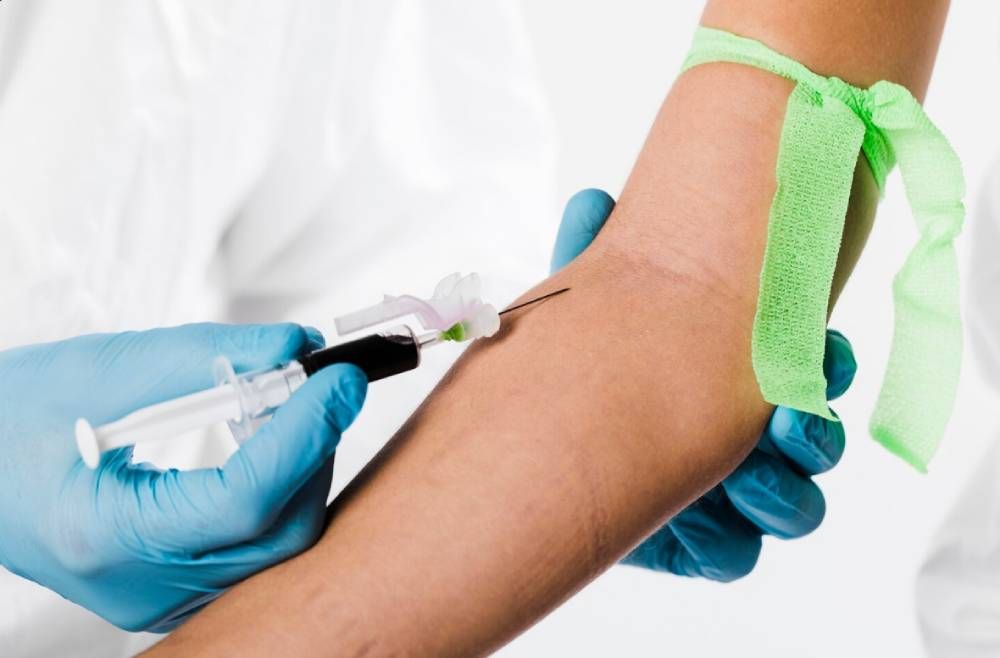
If you'd like to get your cardiac biomarkers checked, Lupin Diagnostics offers comprehensive heart health panels at NABL-accredited labs and home collection services across India. Book your health check-up today.
Frequently Asked Questions
Can a simple blood test detect a heart attack before it happens?
Cardiac troponin is the gold-standard biomarker for detecting heart muscle injury during a heart attack. Elevated troponin levels can also help evaluate risk in patients with stable coronary artery disease, though no single blood test can predict a future heart attack with certainty.
How often should you get a lipid profile test done?
For most adults, checking cholesterol every 5 years is a reasonable starting point. Your doctor may recommend more frequent testing based on personal risk factors like family history or existing health conditions.
What is the difference between a normal CRP test and an hs-CRP test?
A standard CRP test detects significant inflammation, often from infections or injuries. The hs-CRP test is far more sensitive, measuring very low levels of inflammation that are specifically linked to cardiovascular risk.
Does high cholesterol always lead to heart disease?
Not necessarily. Total cholesterol should not be interpreted in isolation. Your overall risk depends on individual factors such as the LDL-to-HDL ratio, blood pressure, lifestyle, and family history.
Can stress cause false high results in cardiac blood tests?
Acute stress or strenuous physical activity can temporarily raise troponin and hs-CRP levels. This is why doctors advise avoiding intense exercise before these tests and may order repeat testing if results seem inconsistent.
Are heart blood tests covered by standard medical insurance?
Coverage varies significantly between insurers and individual policies. Check with your insurance provider before scheduling tests to understand what is included under your plan.
This article is for informational purposes only and does not constitute medical advice, diagnosis, or treatment. Always consult a qualified healthcare professional for personalised guidance regarding your heart health.
Featured Articles

Dehydrated How To Make A Lifesaving Diy Rehydration Drink For Cholera Recovery
Posted on: 22nd Jan 2026
Diabetes Screening For Diagnosis And Prevention
Posted on: 25th Oct 2023

Eating To Recover: The Best Foods For Getting Back On Your Feet After Cholera
Posted on: 22nd Jan 2026