Book Your Health Check-up
Homocysteine Test
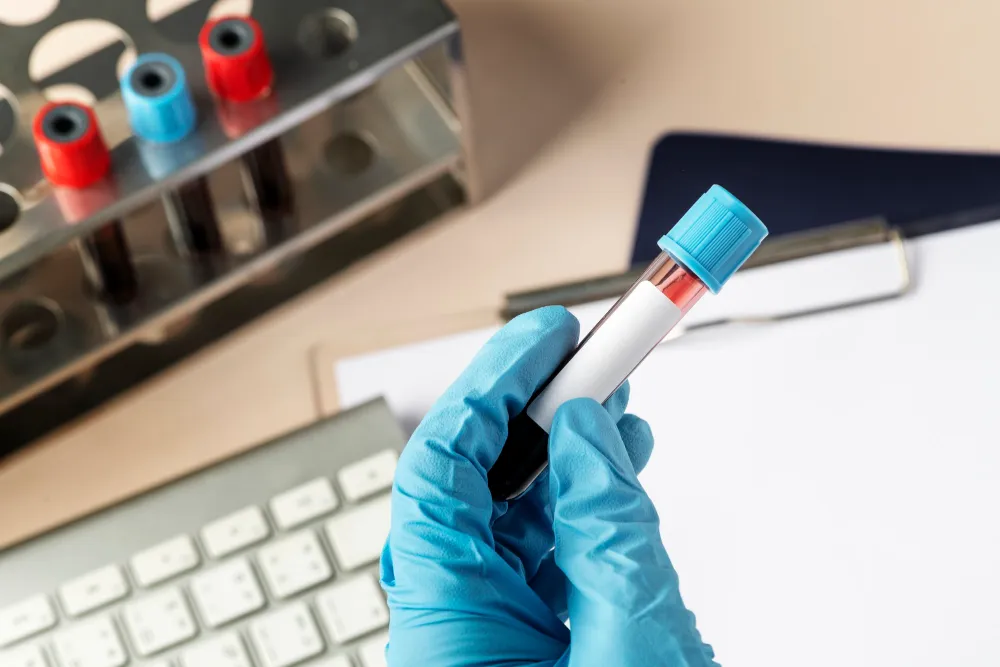
 Blood Sample
 Free Home Collection
 Digital Smart Report
 Recommended for Male/Female
 NABL & CAP Certified Labs
 Trusted by Leading Doctors & Organizations
About Homocysteine Test: Booking, Price, and Results
| Field | Value |
|---|---|
| Also Known As | Total Homocysteine Test, tHcy Test, Plasma Total Homocysteine, HCY Test, Serum Homocysteine |
| Sample Type | Venous blood (serum or plasma) |
| Fasting Required | Preferred; 8 to 12 hours of fasting recommended for accurate baseline values |
| Report Time | 1 to 2 business days |
| Recommended For | All genders and ages, especially those with cardiovascular risk factors, vitamin B deficiency symptoms, or a family history of heart disease |
| Price | Starting at ₹1,350 |
What Is a Homocysteine Test?
A homocysteine test measures the amount of homocysteine in your blood. Homocysteine is an amino acid, which means it is one of the building blocks the body uses to make proteins. The body normally keeps homocysteine levels low by breaking it down with the help of vitamins B6, B9 (folate), and B12.
This test is also called the total homocysteine test, tHcy test, or HCY test. Doctors order it when they want to check vitamin B levels, assess heart disease risk, or investigate certain inherited conditions. A small sample of blood drawn from a vein is all that is needed.
What Does a Homocysteine Test Measure?
The plasma total homocysteine test measures a single marker: homocysteine.
| Parameter | What It Indicates |
|---|---|
| Plasma Total Homocysteine | Total concentration of homocysteine in the blood, reflecting how well the body is processing key B vitamins through its vitamin-dependent pathways |
Why Is a Homocysteine Test Done?
A doctor may recommend a homocysteine blood test for several reasons, from screening for vitamin deficiencies to evaluating cardiovascular risk.
Common Symptoms That May Require This Test
The following symptoms may prompt a doctor to request this test:
- Persistent fatigue or unexplained weakness
- Heart palpitations or an irregular heartbeat
- Numbness or tingling in the fingers and toes
- Difficulty with balance, concentration, or memory
- Depression or low mood without an obvious cause
- Diarrhoea, constipation, or other digestive changes
- Shortness of breath or redness and swelling of the tongue
Conditions This Test Can Help Detect
A tHcy test can help identify or assess risk for several conditions:
- Deficiency of vitamin B6, B9 (folate), or B12
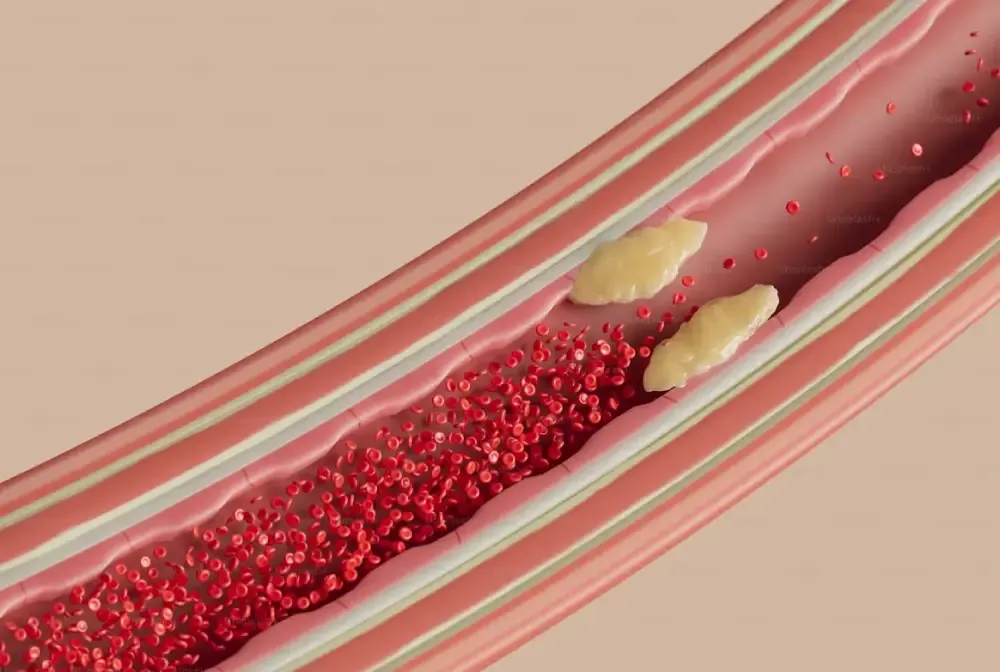
- Increased risk of cardiovascular disease, heart attack, or stroke, because unbroken-down homocysteine can damage artery walls and encourage blood clot formation
- Homocystinuria, a rare inherited condition in which the body cannot produce the enzyme needed to break down homocysteine
- Cognitive decline and Alzheimer's disease
- Hypothyroidism (an underactive thyroid gland)
- Chronic kidney disease and osteoporosis
Homocysteine Test for Chronic Disease Monitoring
The homocysteine test is useful for monitoring patients who are already diagnosed with certain conditions. In people treated for homocystinuria, measuring plasma total homocysteine is the recommended method to assess whether metabolic control is maintained. The test may also be repeated over time to track how well a patient is responding to B-vitamin supplementation therapy.
How to Prepare and What to Expect
Preparing correctly for your homocysteine test helps ensure that your result is as accurate as possible.
Do You Need to Fast?
Yes, fasting is preferred before this test. You should avoid eating or drinking anything other than water for 8 to 12 hours before your sample is collected. A protein-heavy meal consumed before the test can raise homocysteine levels by roughly 15–20%, which may affect accuracy. If you are having other tests alongside this one, check whether those also require fasting.
Practical Tips Before Your Test
The following steps will help you prepare:
- Tell your doctor about all your ongoing medications, including over-the-counter drugs and supplements, as some (such as methotrexate or carbamazepine) can affect results
- Avoid alcohol and smoking in the period leading up to your test, as both can raise homocysteine levels
- Skip strenuous exercise for 24 hours before the blood draw
- Drink water as normal unless your doctor has told you otherwise
- Wear a loose-fitting top or short sleeves for easy access to your arm
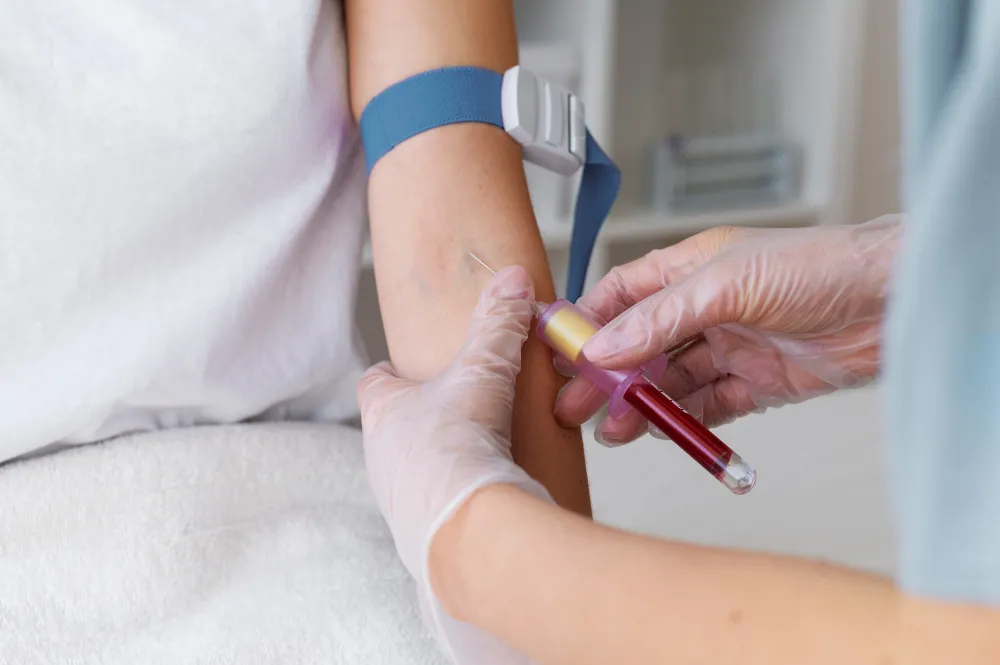
Step-by-Step Procedure
Here is what happens when you go for your blood sample collection:
- A trained phlebotomist wraps a band firmly around your upper arm to make your veins more visible.
- The skin on the inside of your elbow is cleaned with an antiseptic swab.
- A small needle is gently inserted into a vein. You may feel a brief sting or pinch.
- Blood is drawn into a collection tube attached to the needle.
- The band and needle are removed, and gentle pressure is applied to the puncture site.
- A small bandage is placed over the area. The sample is then labelled and sent to the laboratory.
Factors That Can Affect Accuracy
Several factors may influence your result:
- Eating a protein-heavy meal within 6 to 12 hours of the test
- Smoking or recent alcohol consumption
- Certain medications, including methotrexate, phenytoin, carbamazepine, and L-DOPA
- Age (levels tend to rise as you get older)
- Delay in separating the serum from the blood cells after collection (the sample should be processed within one hour)
Understanding Your Homocysteine Test Results
Your results show the concentration of homocysteine in your blood and how it compares to accepted reference ranges. Always review your results with your doctor, who will consider your full health picture before drawing any conclusions.
The table below shows the measured parameter and what each result range means:
| Parameter | Range (µmol/L) | What It Indicates |
|---|---|---|
| Total Homocysteine (normal) | 5 to 15 | Healthy homocysteine metabolism |
| Mild hyperhomocysteinaemia | 15 to 30 | Mildly elevated; may indicate vitamin deficiency |
| Intermediate hyperhomocysteinaemia | 30 to 100 | Moderately elevated; further investigation needed |
| Severe hyperhomocysteinaemia | Above 100 | Significantly elevated; requires prompt medical review |
These ranges are general guidelines. Your doctor will interpret your results based on your age, health history, and other factors. Always consult a qualified healthcare professional for personalised medical advice.
Results During Special Conditions
Certain health conditions and personal factors can shift homocysteine levels independently of vitamin status.
- Patients with hypothyroidism tend to show higher homocysteine levels both when fasting and after eating.
- Elevated homocysteine is a common feature in patients with chronic kidney disease because the kidneys play a role in its clearance.
- Levels are generally lower in women than in men, though they rise after the menopause, likely due to reduced oestrogen.
- Age, smoking, and medications such as antiepileptic drugs can also push levels higher.
How to Maintain Healthy Levels
These general dietary and lifestyle habits support healthy homocysteine metabolism:
- Eat foods rich in folate (leafy green vegetables, citrus fruits, lentils, and fortified grains), vitamin B12 (eggs, dairy, fish, and meat), and vitamin B6 (poultry, fish, and potatoes)
- Limit alcohol intake and avoid smoking
- Speak to your doctor before starting any B-vitamin supplements, especially if you are on other medications
Lupin Diagnostics Homocysteine Test Price and Home Collection
The homocysteine test price at Lupin Diagnostics starts at ₹1,350, and home sample collection is available across cities.
| City | Approximate Price (₹) |
|---|---|
| Bengaluru | ₹1,350 |
| Mumbai | ₹1,350 |
| Chennai | ₹1,350 |
| Hyderabad | ₹1,350 |
| Kolkata | ₹1,350 |
| Pune | ₹1,350 |
Prices are indicative and may vary by location. Please confirm the current price at the time of booking.
How to Book
Follow these steps to book your homocysteine test near me through Lupin Diagnostics:
- Select the test on the Lupin Diagnostics website.
- Choose your city and preferred time slot.
- Opt for home sample collection by a certified phlebotomist, or visit your nearest Lupin Diagnostics centre.
- Receive your report via email or WhatsApp within the stipulated turnaround time.
Home Collection
Lupin Diagnostics offers home sample collection for the total homocysteine test across multiple cities in India, so you can get tested without visiting a centre. All samples are processed in NABL-accredited laboratories by trained professionals. Once your report is ready, you can access it digitally via email or WhatsApp.
FAQs
The homocysteine test is most often used to check levels of vitamins B6, B12, and folate. These vitamins are responsible for breaking down homocysteine, so low levels of any one of them can cause homocysteine to accumulate in the blood. The test is also used to assess cardiovascular risk and screen for a rare inherited condition called homocystinuria.
Fasting for 8 to 12 hours before the test is recommended for accurate results. You can drink water as normal during this period. A heavy, protein-rich meal before the test can temporarily raise homocysteine levels, which may affect your reading.
A high result on a tHcy test may point to a deficiency of one or more B vitamins, an increased risk of heart disease or stroke, or another underlying condition such as hypothyroidism or chronic kidney disease. High levels alone do not confirm a diagnosis; your doctor will interpret the result alongside other information about your health.
Yes, the HCY test may be included in newborn screening programmes. It can help identify homocystinuria, a rare inherited metabolic condition in which the body is unable to process certain amino acids properly. Early detection allows for timely management.
Eating a diet rich in folate, vitamin B12, and vitamin B6 can support healthy homocysteine metabolism. Good sources include leafy greens, legumes, eggs, dairy, fish, and poultry. Your doctor may also discuss whether supplementation is appropriate for your situation.
The homocysteine test is a routine blood test and carries very little risk. You may notice a small bruise or mild soreness at the needle site, which typically settles within a day or two. Serious complications are rare.


Related Tests
Occult blood Urine
Vomitus for Occult Blood
Blood Group ABO and Rh Typing
Red Blood Cell (RBC) Count
Featured Blogs

7 Simple Diagnostic Tests That Reveal Hidden Heart Risk
Posted on: 16th Sep 2026

10 High-Cholesterol Foods: What to Eat and What to Avoid
Posted on: 16th Sep 2026