Book a Home Collection Now!
Gamma-Glutamyl Transferase (GGT) Test – Normal Range, Purpose, Procedure, And Results Interpretation
June 4, 2026 - By Lupin Diagnostics
When it comes to liver health, most people know about SGOT and SGPT. But what about gamma-glutamyl transferase? Gamma-glutamyl transferase (GGT) is an ultrasensitive enzyme that responds before other liver markers change. The GGT test's normal range suggests something else: a signal of bile duct health and early liver strain. If your doctor suspects bile duct strain or liver trouble, a GGT test often provides the first clue. This article covers what the GGT test measures, why it matters, and how to read your results.
What Is a GGT Test, and Why Does It Matter?
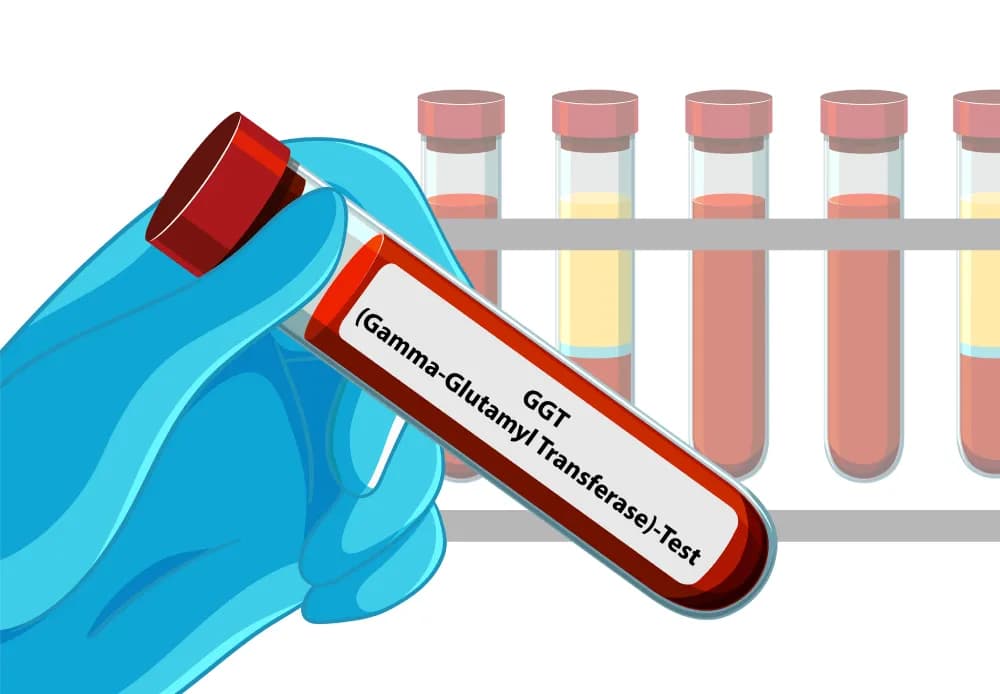
Gamma-glutamyl transferase (GGT) sits on the surface of cells in your liver and bile ducts. Its job is to shuttle amino acid groups across cell membranes. When these cells are injured or blocked, GGT spills into your blood.
A simple blood draw measures how much GGT is circulating. High levels can signal liver damage, but GGT alone cannot pinpoint the exact cause. Your doctor will read it alongside other markers in a liver enzyme panel to get the full picture.
Unlike alkaline phosphatase (ALP), GGT is not found in bone. That means elevated gamma-GT serum levels point specifically to liver or bile duct issues rather than bone conditions.
What Is the GGT Test Purpose?
Your doctor may order this test for several reasons. Here are the primary ones:
- Confirming the source of raised alkaline phosphatase (ALP): When ALP is high, GGT helps confirm whether the liver or bone is responsible. A rise in both points to the liver origin.
- Screening for chronic alcohol-related liver strain: Elevated GGT alongside a high AST level suggests alcohol-related damage. Your doctor will interpret these results in the context of your full history.
- Detecting bile duct blockages (cholestasis): GGT can rise even before ALP in cases of bile duct obstruction.
What Symptoms Prompt a GGT Screen?
Your doctor may recommend this test if you experience these signs:
- Jaundice, or yellowing of the skin and eyes
- Dark amber-coloured urine
- Light or clay-coloured stools
- Persistent upper right abdominal pain
- Unexplained nausea or fatigue
If you experience any of these symptoms, please speak with a qualified healthcare professional for proper evaluation.
How Does the GGT Test Procedure Work?
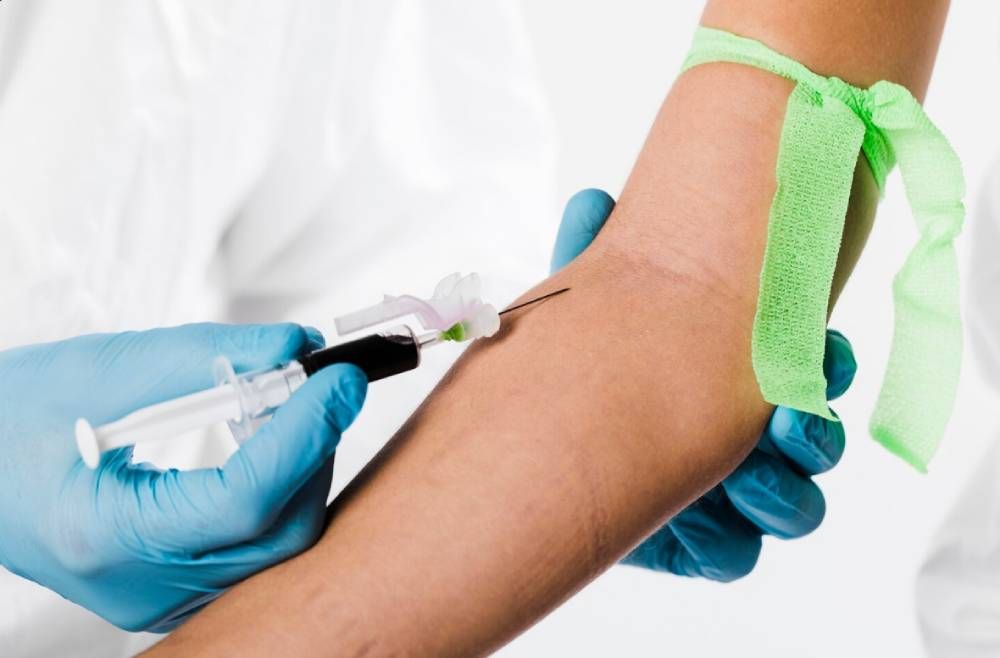
The GGT test procedure is straightforward. A healthcare professional draws a small blood sample from a vein in your arm. However, preparation matters for accurate results. Keep these points in mind before your test:
- Fast for 8 to 12 hours before the blood draw. Enzyme levels can fluctuate after food digestion.
- Avoid alcohol for at least 24 hours before the test. GGT is released into the bloodstream through the action of alcohol and certain medicines.
- Inform your doctor about any current medications, especially anticonvulsants.
The sample goes to a certified laboratory for analysis. Results typically come back within 1 to 2 working days.
What Is the GGT Test Normal Range by Gender?
The normal range differs between men and women. Men naturally carry higher GGT levels than women. Here are the standard reference values in international units per litre (IU/L):
| Parameter | Normal Range | Unit |
|---|---|---|
| GGT (Males) | 7 to 47 | U/L |
| GGT (Females) | 5 to 25 | U/L |
Individual lab reference ranges may vary slightly, so always compare your results to the range printed on your report.
How to Interpret GGT Test Results
GGT test results interpretation depends on how far your values sit above the normal upper limit. Here is a general framework:
| GGT Level | What It May Suggest |
|---|---|
| Within normal range | Healthy liver and bile duct function |
| Mildly elevated (1 to 2 times normal) | Possible medication effects, fatty liver, or mild strain. |
| Moderately elevated (2 to 5 times normal) | Possible hepatitis, chronic alcohol liver disease, or cholestasis |
| Severely elevated (more than 5 times normal) | Possible serious bile duct obstruction or advanced liver disease |
These ranges are general guides. A qualified healthcare professional should interpret your specific results alongside your medical history and other test findings.
Common Causes of Elevated GGT Levels
Several conditions can push gamma-GT serum levels higher:
- Non-alcoholic fatty liver disease (NAFLD)
- Alcoholic liver disease
- Hepatitis or drug-induced liver injury
- Gallstones causing bile duct blockage
- Certain medications like phenytoin or barbiturates
GGT can also rise in diabetes, kidney disease, and pancreatic conditions. That is why your doctor may order you to get additional tests done, such as a bile duct obstruction marker and a chronic alcohol liver disease test.
Natural Ways to Lower High GGT Levels
If your liver enzyme panel shows elevated GGT, certain lifestyle changes may help. Here are steps that may support healthier levels:
- Avoid alcohol completely if liver strain is suspected
- Shift towards a balanced diet rich in vegetables, whole grains, and healthy fats
- Lose excess weight gradually, especially around the midsection
- Enjoy moderate black coffee, as research shows coffee may reduce GGT levels in a dose-dependent manner, particularly in those with alcohol-related liver conditions.
- Eat a balanced, plant-forward diet that includes whole grains, dal, seasonal vegetables, and fruits.
These suggestions support overall liver health but are not substitutes for medical treatment. Consult your healthcare provider for personalised advice.
Conclusion
An elevated GGT result is not a diagnosis. It is an invitation to protect your liver before problems progress. Paired with other tests, it gives your doctor a clear picture of your liver's wellbeing. Early attention to raised levels can make a meaningful difference over time.
If you would like to get your liver enzyme levels checked, Lupin Diagnostics offers comprehensive liver function panels at NABL-accredited labs and convenient home collection services across India.
Frequently Asked Questions
Why do men have a higher GGT test normal range than women?
Biological differences in enzyme activity give men naturally higher GGT levels. Younger and pregnant women show even lower values, while postmenopausal women often have levels closer to men.
Can drinking a single alcoholic beverage the night before skew my GGT test results?
Yes, it can. GGT levels can rise above the normal upper limit with alcohol intake as low as 7–14 g per day, roughly the amount in one standard drink. Avoiding alcohol for at least 24 hours before the test is advisable.
What is the relationship between a GGT test and an alkaline phosphatase (ALP) test?
When ALP is elevated, GGT helps determine the source. If GGT is also raised, the cause is likely liver- or bile duct-related. If GGT is normal, bone disease is the more probable explanation.
Can everyday prescription medications cause a high GGT result?
Yes, certain medications such as phenytoin and barbiturates can raise GGT levels. Always share your full medication list with your doctor before the test.
Is fasting strictly necessary before a GGT blood draw?
Fasting for 8 to 12 hours is recommended for accuracy. Avoiding alcohol for at least 24 hours beforehand is equally important to prevent interference with results.
This article is for informational and educational purposes only. It does not replace professional medical advice, diagnosis, or treatment. Please consult a qualified healthcare provider for any medical concerns or before making changes to your health routine.
Featured Articles

Dehydrated How To Make A Lifesaving Diy Rehydration Drink For Cholera Recovery
Posted on: 22nd Jan 2026
Diabetes Screening For Diagnosis And Prevention
Posted on: 25th Oct 2023

Eating To Recover: The Best Foods For Getting Back On Your Feet After Cholera
Posted on: 22nd Jan 2026