Book a Home Collection Now!
Kidney Renal Function Test Understanding Why It Matters
March 6, 2024 - By Lupin Diagnostics
Your kidneys silently work around the clock, filtering blood, removing waste, balancing fluids, and maintaining your body’s internal equilibrium. When kidney health is compromised, it can affect every organ system. That is why understanding what is kidney function test, what is renal function test, and what tests are done to check kidney function is essential for detecting disease early and keeping your kidneys strong.
What Are Functions of Kidneys?
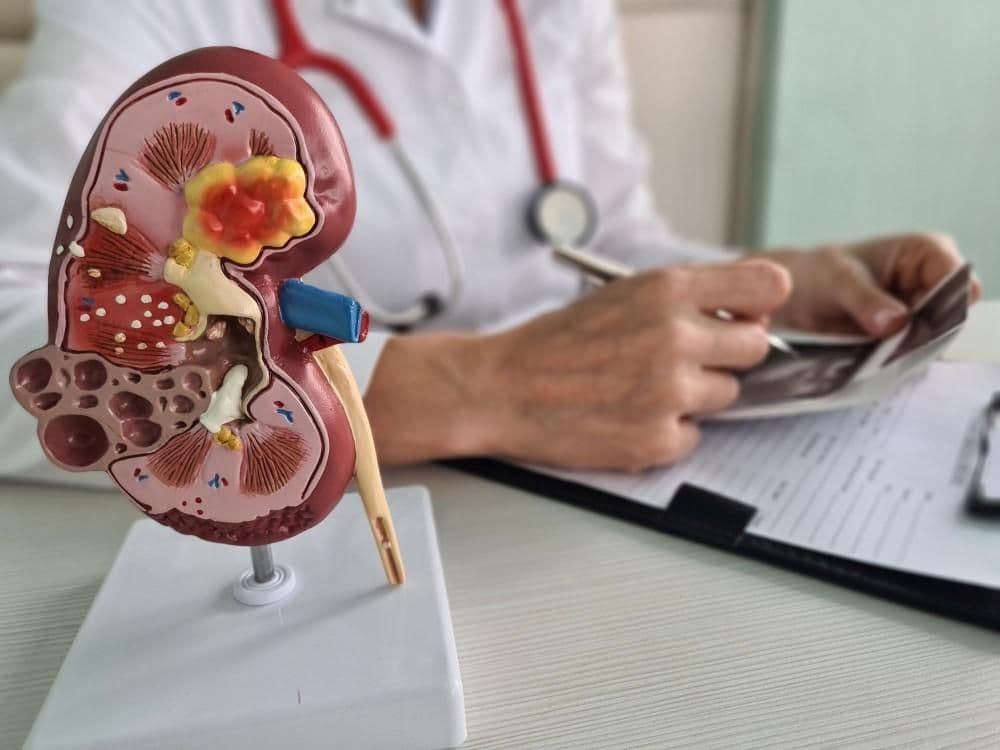
The kidneys are two bean-shaped organs located in the abdominal cavity. They perform a wide range of vital functions that keep the body healthy and balanced:
- Eliminate waste products from the bloodstream
- Remove excess water and toxins by producing urine
- Regulate blood pressure through hormone secretion
- Stimulate red blood cell production via erythropoietin
- Activate vitamin D, essential for bone strength
Because the kidneys handle such crucial tasks, even minor dysfunction can have major health implications. That is why doctors recommend periodic testing to evaluate renal health through a kidney function test or renal function test.
What is Kidney/Renal Function Test?
What is kidney function test? It is a group of diagnostic tests used to measure how efficiently your kidneys filter blood, remove toxins, and maintain balance in electrolytes and fluids.
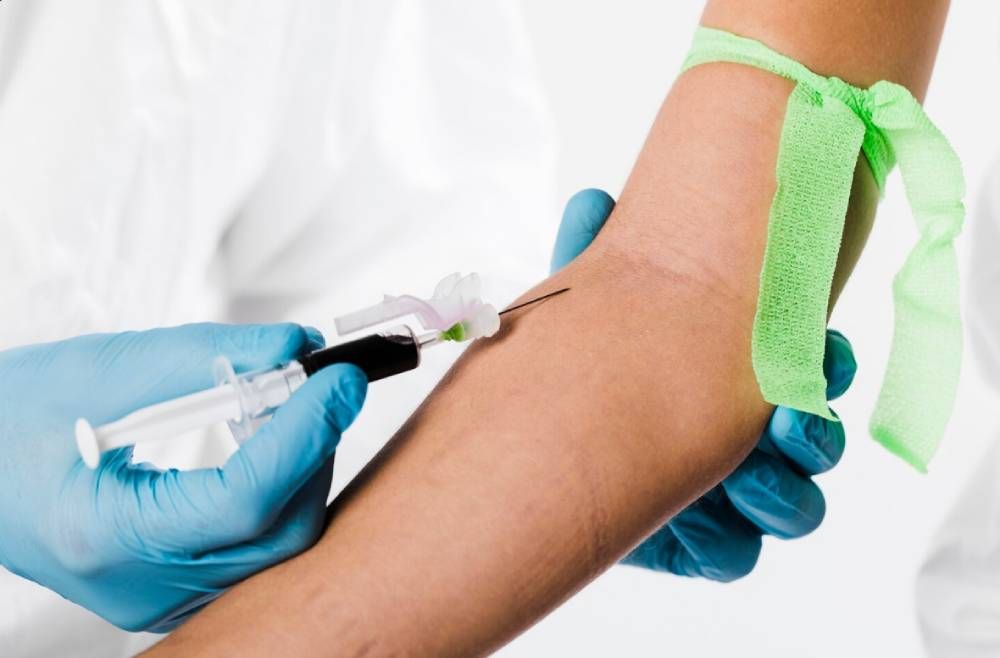
Also known as a renal function test, this panel combines blood tests, urine tests, or both to assess the kidneys’ ability to eliminate waste products such as urea and creatinine.
When kidney cells are damaged, they lose the ability to filter effectively. As a result, waste accumulates in the blood, and abnormal substances—like proteins—may appear in the urine. Through a renal function test, doctors can detect these abnormalities before symptoms appear.
In most cases, the results include an estimation of glomerular filtration rate (GFR), a key indicator of how well your kidneys are cleaning your blood.
Why to Get a Kidney Test?
Knowing what is kidney function test is only the first step; understanding why to get a kidney test explains its importance.
Chronic Kidney Disease (CKD) often develops silently, with few early signs. By the time symptoms occur, significant damage may already have taken place. Regular screening using renal function tests allows early detection and timely intervention.
Who should get tested:
- People with diabetes or high blood pressure
- Those with a family history of kidney disease
- Individuals taking medications that affect kidney function
- Anyone experiencing swelling, fatigue, or changes in urination
By performing a kidney function test, doctors can diagnose CKD early, slow its progression, and prevent complications such as heart disease or kidney failure.
What Tests Are Done to Check Kidney Function?
Many people wonder, “What tests are done to check kidney function?” The answer lies in a combination of blood and urine tests that together provide a comprehensive view of kidney health.
These tests include:
- Blood Urea Nitrogen (BUN)
- Serum Creatinine
- Estimated Glomerular Filtration Rate (eGFR)
- Microalbuminuria (24-hour urine protein test)
- Dipstick Urine Test
- Urine Albumin-to-Creatinine Ratio (UACR)
Each test evaluates a specific aspect of kidney performance. When results are analyzed collectively, they give a precise picture of how well your kidneys are functioning.
Kidney Profile Test
A kidney profile test—also known as a renal profile—includes several individual evaluations that together form a detailed kidney health assessment.
A. Blood Tests in a Kidney Profile:
- Blood Urea/Blood Urea Nitrogen (BUN):
This test measures the amount of urea nitrogen in your blood, a by-product of protein metabolism. Healthy kidneys maintain BUN within 7–20 mg/dL. Elevated levels suggest impaired filtration or dehydration. - Serum Creatinine:
Creatinine is a waste product of muscle metabolism. It is cleared from the blood primarily through the kidneys. Normal values are up to 1.1 mg/dL in women and 1.3 mg/dL in men. Higher levels indicate reduced kidney efficiency. - Estimated Glomerular Filtration Rate (eGFR):
The eGFR is the most crucial component of the kidney function test. It estimates how much blood the kidneys filter per minute.- A GFR ≥ 90 with normal urine results suggests healthy kidneys.
- A GFR < 60 may indicate kidney disease.
- A GFR < 15 signals kidney failure, often requiring dialysis or transplant.
The eGFR value roughly corresponds to the percentage of kidney function—for instance, an eGFR of 60 means 60% functional capacity.
B. Urine Tests in a Kidney Profile:
- Microalbuminuria (24-Hour Urine Protein Test):
Detects small amounts of albumin (a protein) in urine. Levels < 30 mg/day are considered normal. Higher readings suggest early kidney damage. - Dipstick Urine Test:
A chemically treated strip changes color in the presence of proteins or abnormal substances. While it gives a quick overview, it doesn’t provide exact albumin measurements. - Urine Albumin-to-Creatinine Ratio (UACR):
This test compares albumin and creatinine concentrations in a single urine sample. A UACR value ≥ 30 mg/g indicates possible kidney disease.
These combined blood and urine assessments form the cornerstone of what tests are done to check kidney function, helping detect even subtle renal impairment.
DTPA Kidney Test
The DTPA kidney test, also known as a renal DTPA scan, is an advanced imaging study that evaluates kidney performance visually and functionally.
What it involves:
A small amount of a radiopharmaceutical substance, Diethylenetriamine Pentaacetate (DTPA), is injected intravenously. Using a gamma camera, doctors capture images as the kidneys filter and excrete this material.
Purpose of the DTPA Kidney Test:
- To assess glomerular filtration rate (GFR) precisely
- To evaluate kidney drainage patterns and detect blockages
- To determine function of each kidney individually
- To monitor patients after transplant or surgery
In many cases, the DTPA kidney test is performed alongside standard renal function tests to provide a complete functional and anatomical assessment.
Understanding What the Results Mean
Results from a kidney function test or renal profile must be interpreted by a healthcare professional. Here’s how they are typically read:
- Normal kidney function: Normal ranges for BUN, creatinine, and eGFR values indicate healthy kidneys.
- Mild impairment: Slight increases in BUN or creatinine with eGFR around 60–89 may indicate early-stage CKD.
- Moderate to severe damage: BUN and creatinine significantly elevated, eGFR < 60 suggest chronic damage.
- Kidney failure: eGFR < 15 signals end-stage renal disease (ESRD).
Urine results showing protein (albumin) leakage confirm that filtration membranes are damaged. Continuous monitoring helps doctors track disease progression and treatment response.
When to Get a Kidney Function Test
Now that you know what is kidney function test and what is renal function test, the next question is: when should you get tested?
You should consider testing if you have:
- Diabetes or hypertension
- Swelling in feet, face, or around the eyes
- Fatigue, nausea, or loss of appetite
- Reduced or foamy urine output
- Family history of kidney disease
Early detection through renal function tests can slow progression and prevent the need for dialysis or transplantation.
Importance of Early Diagnosis
Performing kidney function tests regularly helps:
- Identify kidney problems early before symptoms appear
- Prevent complications such as high blood pressure or heart disease
- Monitor existing conditions like diabetes or hypertension
- Guide treatment for CKD or acute kidney injury
Understanding what tests are done to check kidney function empowers you to take proactive control over your health.
Lifestyle Tips for Healthy Kidneys
Besides diagnostic testing, you can support kidney health through everyday habits:
- Stay hydrated: Drink adequate water unless restricted by your doctor.
- Limit salt and processed foods: Excess sodium strains the kidneys.
- Control blood sugar and pressure: Keep them within normal ranges.
- Avoid unnecessary painkillers: NSAIDs can damage kidneys over time.
- Quit smoking and limit alcohol: Both reduce kidney blood flow.
- Get tested annually: Especially if you fall in a high-risk category.
Combining lifestyle care with routine renal function tests helps preserve kidney function and overall health.
Conclusion
The kidneys are essential filters that sustain life. Knowing what is kidney function test, what is renal function test, and what tests are done to check kidney function allows you to detect issues early and protect your body’s natural filtration system.
Regular monitoring through a kidney profile test or DTPA kidney test can catch problems before they advance into chronic disease. Early diagnosis, medical care, and lifestyle awareness together can help you maintain strong, healthy kidneys for years to come.
Featured Articles
Diabetes Screening For Diagnosis And Prevention
Posted on: 25th Oct 2023

Eating To Recover: The Best Foods For Getting Back On Your Feet After Cholera
Posted on: 22nd Jan 2026

What A Complete Blood Count (CBC) Tells You About Your Health
Posted on: 22nd Jan 2026