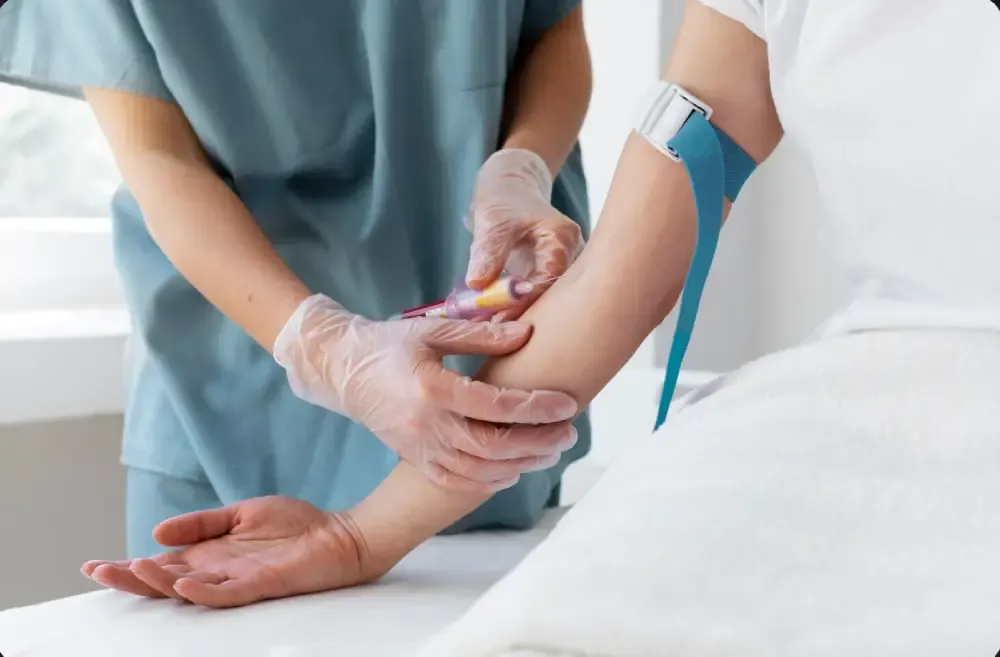
Book a Home Collection Now!
7 Common Medications That Can Stress Your Liver
August 12, 2026 - By Lupin Diagnostics
Your liver quietly processes every tablet you swallow, from a simple paracetamol to daily cholesterol medicines. Understanding which medications can stress your liver matters, because some of the most common ones sitting in your medicine cabinet may put this organ under strain. Here's what you should know to stay informed and safe.
What Is Drug-Induced Liver Injury?
Drug-Induced Liver Injury (DILI) happens when a medicine or supplement damages liver cells. It is a significant cause of acute liver failure, with a mortality rate of 10–50%. Roughly 14-19 people per 100,000 develop DILI each year.
DILI works in two ways. Intrinsic reactions are dose-dependent: the more you take, the greater the risk. Idiosyncratic reactions are unpredictable and can occur at normal doses in certain individuals. Most cases show no symptoms early on, which makes routine liver function tests valuable for anyone on long-term medication. Your doctor can help determine which monitoring schedule suits your situation.
Which 7 Medications Can Stress Your Liver?
Several prescription and over-the-counter medicines require caution in hepatic impairment. Here are seven common categories worth knowing about.
1. Paracetamol (Acetaminophen)
This everyday pain reliever is safe at recommended doses. Trouble begins with excess intake:
- Liver damage typically arises after a single overdose exceeding 7.5 grams
- Many cold and flu combinations contain hidden paracetamol. Taking them together can push you past safe limits unknowingly
- Alcohol use alongside paracetamol raises the risk further
Always check labels for paracetamol content before combining medicines, and speak with your doctor if unsure.
2. NSAIDs (Ibuprofen, Diclofenac)
Nonsteroidal Anti-Inflammatory Drugs (NSAIDs) are widely used for joint pain and inflammation. In one large registry study, diclofenac accounted for 29 confirmed liver injury cases, more than any other NSAID. Long-term use may elevate liver enzymes called transaminases. Discuss safer alternatives with your physician if you need ongoing pain relief.
3. Statins (Cholesterol-Lowering Medicines)
About 1-3% of statin users see a mild rise in liver enzyme levels. This sounds worrying, but serious liver injury from statins remains rare. Current guidelines recommend continuing statins unless enzyme levels exceed three times the normal upper limit. For most people, the heart-health benefits outweigh the liver risk. Your doctor can monitor your levels through periodic blood tests.
4. Certain Antibiotics
Amoxicillin-clavulanate is the most common antibiotic linked to liver injury in large case studies worldwide. What catches people off guard is the timing: symptoms can appear days to six weeks after finishing the course. This delayed onset means many patients do not connect their symptoms to the antibiotic. Report any unusual fatigue or yellowing of skin to your doctor, even after completing antibiotics.
5. Anti-Seizure Medicines
Up to 44% of valproic acid users show mild enzyme elevations, though serious toxicity occurs in roughly 1 in 15,000 patients.
6. Antifungal Medicines
Oral ketoconazole causes enzyme rises in 2–10% of users. Topical forms carry far lower risk.
7. Herbal Supplements
About 20% of adult DILI cases come from herbal and dietary products. Green tea extract, kava, and weight-loss pills are frequent culprits. "Natural" does not automatically mean liver-safe, and manufacturers are not required to prove safety before selling supplements.
Never start or stop any of these medicines without your doctor's guidance.
Also Read: 4 Warning Signs of Liver Damage Identified by LFT
How Do Medications in Liver Disease Require Special Care?
People with existing liver conditions such as cirrhosis or fatty liver need extra caution while taking medications for a stressed liver. Here is a quick comparison:
| Category | Lower-Risk Options | Higher-Risk Options |
|---|---|---|
| Pain Relief | Paracetamol (low dose, short term) | NSAIDs (long-term use) |
| Cholesterol | Statins (compensated liver disease) | Statins (decompensated liver disease) |
| Antifungals | Topical formulations | Oral ketoconazole |
| Supplements | Doctor-approved options only | Unregulated herbal products |
Statins, for instance, are considered safe in compensated liver disease but contraindicated when the liver is decompensated. Dose adjustments should always be made under medical supervision for anyone with pre-existing liver conditions.
What Are The Warning Signs Of Liver Stress?
Early detection makes a real difference. Watch for these red flags while on any long-term medication:
- Jaundice: Yellowing of the skin or whites of the eyes
- Dark-coloured urine resembling strong chai
- Pale or clay-coloured stools
- Persistent fatigue that does not improve with rest
- Nausea or loss of appetite lasting several days
- Pain in the upper right abdomen, just below the ribs
Most DILI cases are initially asymptomatic, and jaundice is the most common visible sign. If you notice any of these, contact your doctor promptly. For paracetamol overdose, an antidote called N-acetylcysteine is nearly 100% effective when administered within eight hours. Time matters greatly in such situations.
Also Read: How Liver Function Tests Can Help Diagnose Medical Conditions
How Can You Protect Your Liver Daily?
Practical steps can significantly lower your risk. Keep this checklist handy:
- Get regular Liver Function Tests (LFTs), especially on long-term medicines
- Share your complete list of medicines and supplements with your doctor, including ayurvedic or herbal products
- Avoid mixing alcohol with any medication
- Read medicine labels carefully for hidden ingredients like paracetamol
- Stay well hydrated throughout the day
These small habits help your doctor catch problems early, long before symptoms appear.
Conclusion
Your liver handles an enormous workload every day. Knowing which medications can stress your liver empowers you to take simple, proactive steps, including regular LFTs and honest conversations with your doctor about every tablet you take. The goal is never to fear your medicines, but to use them wisely.
If you would like to check how your liver is doing, Lupin Diagnostics offers comprehensive liver function tests at NABL-accredited labs and convenient home collection across India.
Frequently Asked Questions
How to treat a stressed liver?
Recovery usually starts with identifying and stopping the medicine causing harm. For paracetamol-related injury, N-acetylcysteine serves as a specific antidote. Supportive care and medical monitoring help the liver heal in most cases.
What medications can stress the liver?
Common culprits include paracetamol (in excess), NSAIDs such as diclofenac, statins, amoxicillin-clavulanate, valproic acid, oral antifungals such as ketoconazole, and various herbal supplements. The risk varies based on dose, duration, and individual factors.
Can an inflamed liver be treated?
Most cases of medicine-related liver inflammation improve once the responsible medicine is stopped. Supportive care under a doctor's supervision speeds up recovery.
How to reduce fatty liver naturally?
Maintaining a healthy weight and avoiding substances that strain the liver are key steps. Always consult a physician before stopping any prescribed medication.
Why do some antibiotics cause liver enzymes to spike weeks after finishing the prescription?
With amoxicillin-clavulanate, liver injury often appears after the course ends, sometimes with a delay of a few days to six weeks. This makes it easy to miss the connection between the antibiotic and the symptoms.
Are dietary supplements legally required to test for liver toxicity before being sold?
Under the 1994 Dietary Supplement Health and Education Act, manufacturers are not compelled to prove a product is safe before selling it. This means many supplements reach consumers without liver safety testing.
This article is for informational purposes only and does not constitute medical advice, diagnosis, or treatment. Please consult a qualified healthcare professional for any concerns about your liver health or medications. Never start, stop, or change any medication without your doctor's guidance.
Featured Articles
Eating To Recover: The Best Foods For Getting Back On Your Feet After Cholera
Posted on: 22nd Jan 2026
What A Complete Blood Count (CBC) Tells You About Your Health
Posted on: 22nd Jan 2026

Constant Fatigue? Here’s What Your Blood Test Might Reveal
Posted on: 22nd Jan 2026