Book a Home Collection Now!
Chickenpox – Symptoms, Causes and Risk Factors
September 17, 2026 - By Lupin Diagnostics
That itchy rash on your child's back might be more than a heat rash. Recognising chickenpox symptoms early helps you act fast and protect others at home. This article covers how the infection progresses, what causes it, and who faces the greatest risk.
What Are the Primary Chickenpox Symptoms?
Chickenpox follows a predictable pattern. It starts with general unwellness before the telltale rash appears.
1. Early Prodromal Symptoms (1 to 2 Days Before Rash)
The prodromal stage begins quietly, often mimicking a common viral fever. Watch for these early signs:
- Mild to moderate fever and general tiredness
- Headache and body aches
- Sore throat and loss of appetite
- Overall feeling of being unwell (malaise)
Adults tend to experience these early symptoms more noticeably than children.
2. The Classic 3-Phase Rash Progression
The rash is what confirms chickenpox. It moves through three distinct stages over 4 to 7 days:
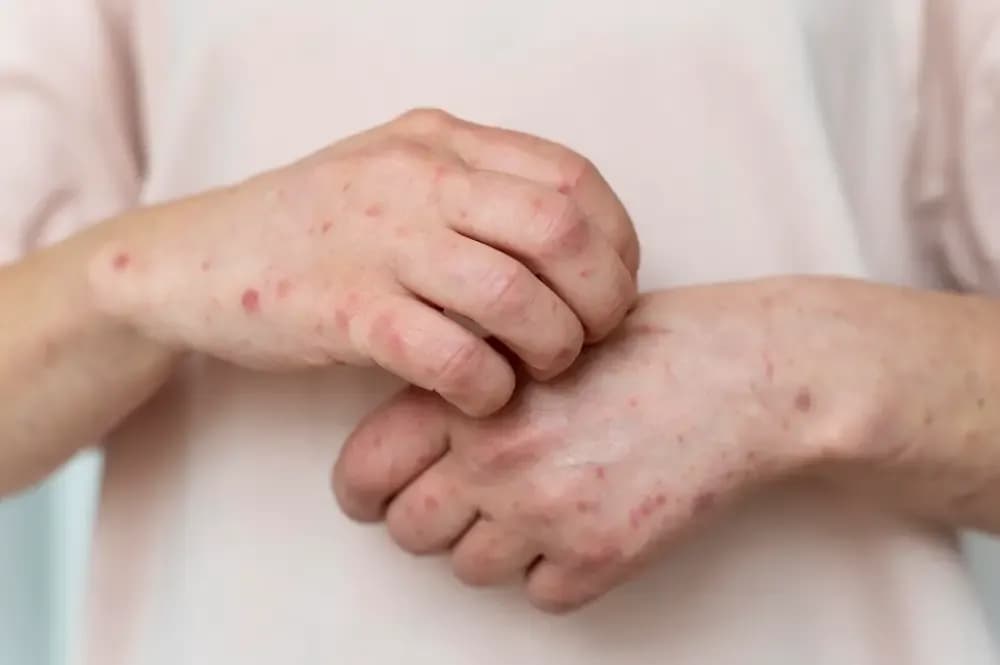
- Papules: Small, raised pink or red bumps appear first on the trunk, face, or scalp
- Vesicles: These bumps fill with clear fluid, forming itchy fluid-filled blisters
- Crusts: Blisters eventually break open and dry into scabs
A typical case produces 250 to 500 lesions. New crops keep appearing even as older ones crust over.
3. Associated Physical and Mucosal Symptoms
Chickenpox does not limit itself to external skin. Ulcerated sores may develop on mucosal surfaces, including:
- Inside the mouth and throat
- The eyes (conjunctival lining)
- Genital and rectal areas
Intense, body-wide itching often accompanies these lesions.
Also Read: Viral Fever: Causes, Early Symptoms & Warning Signs
Key Chickenpox Symptoms by Stage
This quick-reference table summarises what to expect at each phase:
| Symptom Stage | Onset Timing | Key Physical Markers | Contagious Level |
|---|---|---|---|
| Incubation | Day 0 to 21 after exposure | Typically no visible signs | Not yet contagious |
| Prodromal | 1 to 2 days before rash | Fever, fatigue, headache, sore throat | Contagious (virus is shedding) |
| Active Rash | Day 1 to 7 of rash | Papules, vesicles, crusts appearing in waves | Highly contagious |
| Recovery | All blisters scabbed over | Dry crusts, no new lesions | No longer contagious |
How Does the Varicella-Zoster Virus Spread?
Understanding chickenpox causes helps you prevent the infection from moving through your household.
1. The Varicella-Zoster Virus (VZV)
The varicella-zoster virus belongs to the herpesvirus family. Humans are its only known hosts. After the initial infection resolves, VZV does not leave the body. It stays dormant in sensory nerve ganglia. Years or decades later, it can reactivate as herpes zoster, commonly called shingles.
Please consult a doctor if you suspect shingles reactivation.
2. Airborne and Direct Contact Transmission
Viral transmission happens through two main routes:
- Airborne droplets: Coughing or sneezing releases virus-laden particles others can inhale
- Direct contact: Touching fluid from open blisters transfers the virus
This is why up to 90% of non-immune household contacts end up infected.
3. The Incubation Period and Infectious Window
The incubation period typically lasts 14 to 16 days after exposure. The full range stretches from 10 to 21 days. A person becomes contagious 1 to 2 days before the rash even shows up. They remain infectious until every single blister has scabbed over.
Also Read: What To Do And Not Do When You Have A Fever At Home
Who Faces the Highest Chickenpox Risk Factors?
Some groups are far more vulnerable to severe illness. Here are the major chickenpox risk factors:
1. Lack of Immunity
People who have never received the varicella vaccine or caught chickenpox naturally carry no protective antibodies. They are the primary population at risk.
2. Age and High-Exposure Environments
Young children in schools and daycare settings face high exposure. Teachers and household members of infected individuals are similarly at risk. In children, the most common complication is bacterial skin infection. In adults, pneumonia is the bigger concern.
3. High-Risk Medical Conditions
Certain groups face life-threatening complications:
- Immunocompromised individuals on chemotherapy, high-dose steroids, or living with conditions like leukaemia or HIV
- Pregnant women without immunity, especially near delivery
- Newborns whose mothers develop chickenpox 5 days before to 2 days after birth
- Adults over 60 with weakened immunity
If you or a family member falls into any of these groups, speak with your doctor about protective measures.
How Does the Varicella Vaccine Help Prevent Chickenpox?
Vaccination remains the most effective shield against chickenpox:
- Two doses of the varicella vaccine are roughly 90% effective at preventing infection
- The vaccine is recommended for all children, adolescents, and adults without immunity
- Post-exposure immunoglobulin (VARIZIG) may be considered for high-risk individuals exposed to the virus
Vaccination schedules and eligibility should always be discussed with your healthcare provider.
Early Detection and Staying Protected
Spotting chickenpox symptoms early, even during the prodromal stage, makes a real difference. Timely isolation protects vulnerable family members. Vaccination offers strong, lasting protection for those who have not had the infection. If you notice a suspicious rash with fever, consult a doctor promptly.
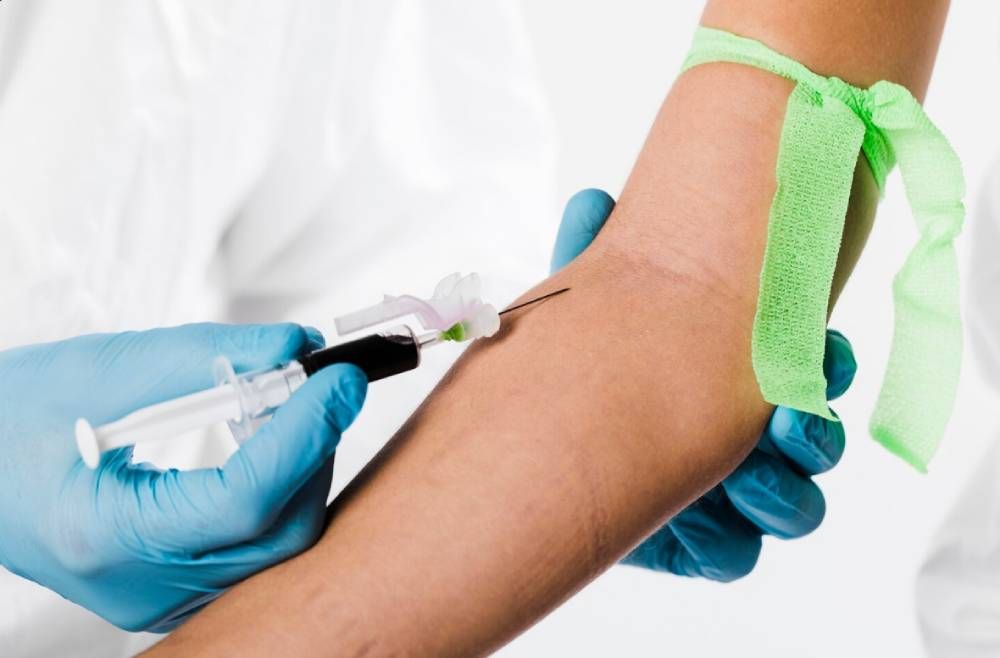
Wondering whether you or your child has adequate immunity? Lupin Diagnostics offers antibody testing at NABL-accredited labs and home collection services across India, helping you make informed decisions about your family's health.
Frequently Asked Questions
How early do chickenpox symptoms start showing after exposure?
Symptoms usually appear 14 to 16 days after exposure, though the window can range from 10 to 21 days. Early signs like fever and tiredness may show up 1 to 2 days before the rash.
Can you spread chickenpox before any rash actually appears?
Yes. A person becomes contagious 1 to 2 days before any visible rash develops. This makes early transmission difficult to prevent.
What is the main cause of severe chickenpox in adults?
Pneumonia is the most common serious complication in adults with chickenpox. Adults generally experience more severe symptoms than children.
Who has the highest risk factor for chickenpox complications?
Immunocompromised individuals without existing immunity face the greatest risk. This includes people on chemotherapy, high-dose steroids, or those with conditions affecting cellular immunity.
How can you distinguish chickenpox symptoms from insect bites?
Chickenpox lesions progress through three stages: bumps, fluid-filled blisters, then crusts. Insect bites stay localised and do not form blisters, crust over, or come with fever.
Can a person get chickenpox twice in their lifetime?
One infection usually provides lifelong immunity. However, getting chickenpox a second time is possible, though uncommon.
This article is for informational purposes only and does not constitute medical advice, diagnosis, or treatment. Always consult a qualified healthcare professional for any medical concerns or before making health-related decisions.
Featured Articles

Sleep Deprivation Effects How Poor Sleep Impacts Your Heart And Kidney Health
Posted on: 22nd Jan 2026

What A Complete Blood Count (CBC) Tells You About Your Health
Posted on: 22nd Jan 2026

Screen Time Fatigue And Vitamin D Deficiency The Hidden Connection You Shouldn T Ignore
Posted on: 22nd Jan 2026