Book a Home Collection Now!
Atherosclerosis: Symptoms, Causes and Diagnosis
October 27, 2026 - By Lupin Diagnostics
You might feel perfectly fine, yet your arteries could be slowly narrowing. Atherosclerosis, a condition where sticky plaque builds up inside artery walls, often develops silently over years. Diseases linked to it remain the leading cause of death worldwide. Understanding how it develops, what symptoms to watch for, and how it is diagnosed can help you take timely action.
What is Atherosclerosis and How Does it Differ From Arteriosclerosis?
Plaque, a mix of fat, cholesterol, calcium, and other blood substances, gradually collects along artery walls. Over time, this buildup narrows the arteries and limits oxygen-rich blood flow to your organs.
A common point of confusion: arteriosclerosis and atherosclerosis are not the same thing. Arteriosclerosis is a broader term for the thickening and stiffening of arteries. Atherosclerosis is one specific type of arteriosclerosis, caused by fatty plaque deposits. Think of arteriosclerosis as the umbrella and atherosclerosis as the most common condition under it.
How Does Atherosclerosis Develop Over Time?
This condition does not appear overnight. It follows a gradual progression that can span decades:
- Artery lining damage: Smoking, high blood pressure, elevated blood sugar, or high cholesterol can injure the inner walls of arteries.
- Fatty streak formation: Once damaged, cholesterol and fat begin to collect at the injury site.
- Plaque accumulation: Blood cells and other substances join in. The plaque hardens and thickens over time.
- Narrowing or clot formation: Arteries narrow significantly. A plaque can also rupture, triggering a blood clot.
Each stage further restricts blood flow silently.
Also Read: Atherosclerosis & Heart Risk: Lipid Profile Significance
What Are Common Atherosclerosis Symptoms?
Early atherosclerosis often causes no symptoms. Signs typically appear only after an artery is significantly blocked. The symptoms depend on which arteries are affected.
Coronary Arteries (Heart)
Reduced blood flow to the heart may cause:
- Chest pain or tightness (called angina)
- Shortness of breath or cold sweats
- Dizziness, nausea, or unusual tiredness
Carotid Arteries (Brain)
When plaque narrows the arteries supplying blood to the brain, warning signs of a stroke can appear:
- Sudden numbness in the face, arm, or leg
- Confusion or difficulty speaking
- Severe headache with no clear cause
Peripheral Arteries (Arms and Legs)
Peripheral artery disease brings symptoms like:
- Pain, heaviness, or cramping in the legs while walking
- Relief upon resting (called intermittent claudication)
Renal Arteries (Kidneys)
Blocked renal arteries can contribute to high blood pressure and may raise the risk of kidney problems over time.
If you notice any of these signs, speak with a doctor promptly. Early evaluation matters.
What Are the Root Causes and Risk Factors of Atherosclerosis?
Damage to artery walls sets the process in motion. Several factors drive this damage — some you can change, and some you cannot.
| Modifiable Factors | Non-Modifiable Factors |
|---|---|
| High blood cholesterol | Age |
| High blood pressure | Family history of heart disease |
| Smoking | Genetics |
| Diabetes or insulin resistance | Gender |
| Physical inactivity | |
| Overweight or obesity | |
| Unhealthy diet | |
| Chronic stress |
Psychosocial stress deserves special mention. Chronic stress fuels inflammation throughout the body, which can speed up atherosclerosis progression. Managing stress through regular physical activity, adequate sleep, and relaxation techniques is genuinely worthwhile. Your doctor can help you assess your personal risk profile.
How Is Atherosclerosis Diagnosed?
Since symptoms often go unnoticed, proactive testing plays a key role in early atherosclerosis diagnosis.
Physical Examination and Blood Tests
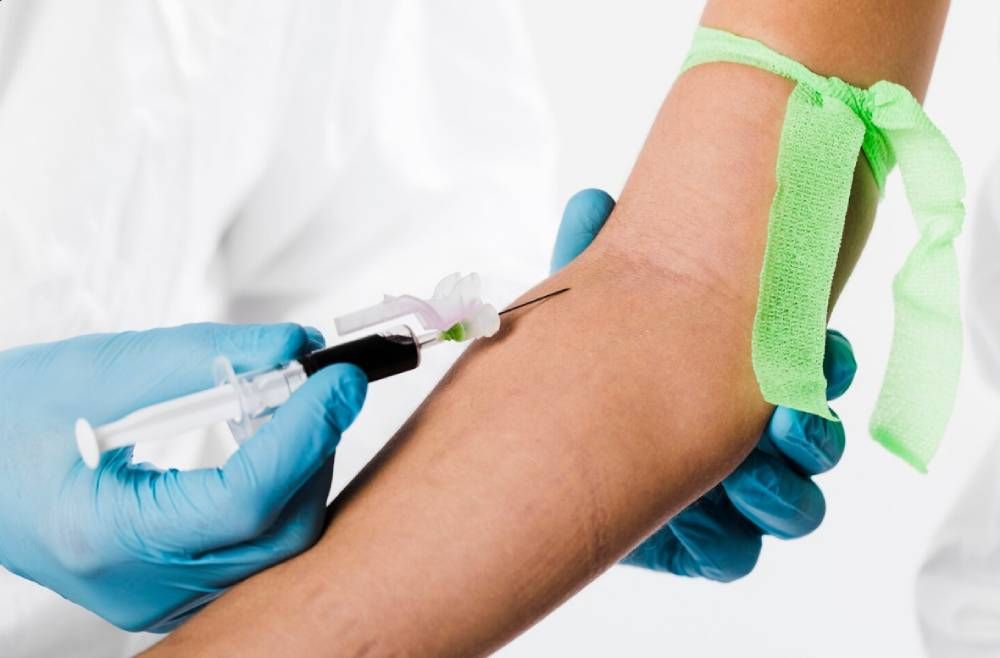
A doctor may listen for unusual whooshing sounds (called bruits) over your arteries. Blood tests check cholesterol, triglycerides, blood sugar, and inflammation markers such as C-reactive protein tests.
Non-Invasive Imaging Tests
Several imaging tools help visualise artery health without surgery:
- Electrocardiogram (ECG): Records the heart's electrical activity.
- Echocardiogram: Uses sound waves to create images of the heart.
- Doppler ultrasound: Checks blood flow in specific arteries.
- Coronary calcium scoring: A cardiac CT scan that measures calcium deposits in coronary arteries.
Invasive Diagnostics
When non-invasive tests suggest significant blockage, a coronary angiogram may be needed. A thin tube is guided through a blood vessel to the heart. Dye is injected so the arteries become visible on imaging. Discuss the most suitable diagnostic approach with your cardiologist.
Also Read: 7 Simple Diagnostic Tests That Reveal Hidden Heart Risk
Complications and Prevention at a Glance
Left unchecked, blocked arteries can lead to serious outcomes such as heart attack, stroke, heart failure, aneurysm, or even limb loss. An aortic aneurysm rupture, for instance, can be fatal.
The encouraging part: in early stages, lifestyle changes can meaningfully reduce risk. When artery blockage is under 30%, medical therapy may help control progression. Beyond 70% obstruction, procedures such as angioplasty or stenting may be necessary. Regular exercise, a wholesome diet rich in vegetables and whole grains, and quitting smoking are among the most effective steps you can take. Always work with your healthcare provider to decide the right plan for you.
Conclusion
Atherosclerosis develops quietly, but it does not have to catch you off guard. Knowing the risk factors, recognising the symptoms, and getting timely diagnostic tests can make a real difference. The earlier you act, the more options you have.
If you would like to check your cholesterol, blood sugar, or inflammation markers, Lupin Diagnostics offers comprehensive health check-ups at NABL-accredited labs across India, with home collection available for added convenience.
Frequently Asked Questions
Can atherosclerosis be reversed?
In early stages, lifestyle changes can reduce the risk of atherosclerosis. When blockage is under 30%, medical therapy may help control further progression, though complete reversal is not guaranteed.
What is the main cause of atherosclerosis?
Damage to artery walls, caused by factors like smoking, high cholesterol, high blood pressure, and elevated blood sugar, sets off the plaque-building process.
What is the difference between arteriosclerosis and atherosclerosis?
Arteriosclerosis is a general term for the hardening and thickening of arteries. Atherosclerosis is a specific type caused by fatty plaque buildup inside artery walls.
How do doctors test for atherosclerosis?
Doctors use blood tests to check cholesterol, triglycerides test, blood sugar, and inflammatory markers like C-reactive protein. Imaging tests and angiograms help assess artery blockage.
What are the early warning signs of clogged arteries?
Early stages often produce no symptoms. As plaque grows, chest pain, leg cramping during walks, or sudden numbness may develop depending on which arteries are affected.
Can stress cause atherosclerosis?
Yes, chronic psychosocial stress promotes body-wide inflammation, which is linked to faster atherosclerosis progression.
What tests confirm atherosclerosis?
Coronary calcium scoring via cardiac CT, lipid panel blood tests, and coronary angiography are key tests that help confirm the condition.
This article is for informational purposes only and does not replace professional medical advice, diagnosis, or treatment. If you have concerns about your heart health or arterial condition, please consult a qualified healthcare provider.
Featured Articles

Dehydrated How To Make A Lifesaving Diy Rehydration Drink For Cholera Recovery
Posted on: 22nd Jan 2026
Diabetes Screening For Diagnosis And Prevention
Posted on: 25th Oct 2023

Eating To Recover: The Best Foods For Getting Back On Your Feet After Cholera
Posted on: 22nd Jan 2026