Book a Home Collection Now!
10 Daily Habits To Manage Type 2 Diabetes Complementarily With Medical Care
July 15, 2025 - By Lupin Diagnostics
Type 2 diabetes management doesn’t always start or end with medication. While some individuals require pharmaceutical intervention, many are now exploring type 2 diabetes treatment without medication. This approach focuses on making sustainable lifestyle changes that improve insulin sensitivity, lower blood glucose, and prevent long-term complications.
According to the American Diabetes Association, integrating healthful daily habits into your routine can significantly improve your ability to manage the condition naturally.
If you are searching for ways to manage blood sugar without medication, these evidence-based strategies can help. These are not just general wellness tips, they are targeted blood sugar management tips that work.
1. Start with a Balanced Breakfast
Skipping breakfast can cause blood sugar swings and make you more likely to overeat later in the day. A well-balanced breakfast is one of the best habits for type 2 diabetes control. It sets the tone for steady glucose levels and energy throughout the day.
Ideal components for a diabetes-friendly breakfast:
- High-fiber carbs: steel-cut oats, quinoa porridge, whole grain toast
- Lean protein: eggs, tofu scramble, Greek yogurt
- Healthy fats: avocado, almonds, chia seeds
Eating within 60–90 minutes of waking supports natural circadian glucose rhythms and helps reduce mid-morning crashes. Studies show that front-loading your day with a nutritious meal can help stabilize blood sugar for hours.
2. Monitor Blood Sugar Levels Consistently
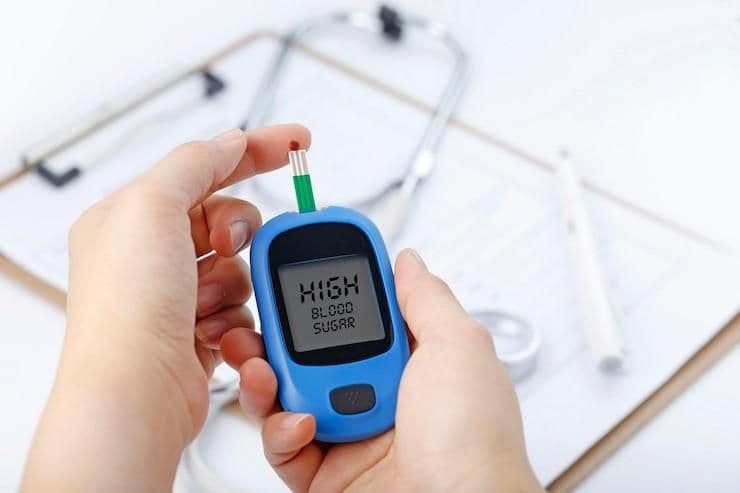
Regular self-monitoring gives you immediate insights into how meals, activity, and stress affect your glucose. If you are pursuing type 2 diabetes treatment without medication, this step becomes essential.
Helpful tools and practices:
- Blood glucose meters or continuous glucose monitors (CGM)
- Logging readings in a diabetes app
- Reviewing patterns weekly to inform food and lifestyle choices
Understanding your numbers empowers you to fine-tune your daily routine. Not sure where to begin? Ask your provider for a basic type 2 diabetes test like HbA1C or fasting blood glucose.
3. Exercise Daily to Improve Insulin Sensitivity
Physical activity is one of the most powerful natural tools to lower blood sugar. Exercise helps muscles absorb glucose more efficiently, which reduces insulin resistance.
Best exercises for type 2 diabetes control:
- 30-minute brisk walks after meals
- Strength training (e.g., resistance bands or bodyweight workouts)
- Low-impact activities like yoga, tai chi, or swimming
Aim for 150 minutes of moderate activity per week. Moving your body consistently helps your cells become more responsive to insulin—a key benefit for people managing diabetes without drugs.
4. Prioritize High-Fiber Foods
Fiber slows down the absorption of sugar and promotes a healthier gut microbiome, which in turn helps regulate blood glucose.
Great fiber-rich foods include:
- Lentils, chickpeas, and kidney beans
- Leafy greens like spinach and kale
- Berries, apples (with skin), and pears
- Whole grains such as barley, oats, and brown rice
According to the National Institute of Diabetes and Digestive and Kidney Diseases (NIDDK), increasing dietary fiber intake is a proven strategy to support long-term glycemic control.
5. Stay Well-Hydrated
Even mild dehydration can trigger blood sugar spikes. Drinking enough water supports your kidneys’ ability to flush out excess glucose and improves your overall metabolism.
Hydration tips for diabetes:
- Drink 6–8 glasses of plain water daily
- Add lemon, mint, or cucumber for flavour
- Avoid sugary beverages and fruit juices
Hydration is a simple but often overlooked component of type 2 diabetes care. It is a foundational blood sugar management tip that is easy to adopt.
6. Prioritize Quality Sleep
Sleep deprivation can lead to insulin resistance, hormonal imbalance, and higher fasting blood glucose levels.
Sleep habits to support blood sugar regulation:
- Sleep 7–9 hours each night
- Follow a consistent sleep schedule
- Limit caffeine after 4 PM
- Avoid screen time at least one hour before bed
Restorative sleep enhances metabolic repair and supports daily blood sugar control. It is a key pillar in how to control blood sugar naturally.
7. Reduce Stress to Avoid Glucose Spikes
Chronic stress activates the release of cortisol and adrenaline, hormones that increase blood sugar. Learning to manage stress is crucial for individuals aiming for type 2 diabetes treatment without medication.
Daily stress-relief practices:
- Mindful breathing and guided meditation
- Journaling or gratitude practice
- Gentle exercise like tai chi
- Time in nature or with pets
Even short relaxation practices, 10 to 15 minutes, can have measurable benefits in reducing blood sugar variability.
8. Choose Low-Glycemic Index Foods
Low-GI foods break down slowly and help you avoid post-meal spikes. Swapping high-GI foods for low-GI alternatives is an effective way to support glycemic stability.
Smart low-GI swaps:
- Sweet potatoes instead of white potatoes
- Steel-cut oats instead of instant oats
- Quinoa instead of white rice
- Berries instead of bananas
Using the glycemic index in meal planning is one of the most effective blood sugar management tips you can implement right away.
9. Schedule Regular Type 2 Diabetes Check-Ups
Even with excellent habits, it is essential to track your long-term blood sugar trends and screen for complications.
Important tests to include in your diabetes check-up:
- HbA1C (3-month glucose average)
- Lipid profile test
- Kidney function (eGFR and creatinine)
- Eye exams and foot checks
Look for the nearest Lupin Diagnostics Center for a type 2 diabetes check-up. Regular assessments ensure you are staying on track with or without medications.
10. Build a Support System for Lasting Success
Lifestyle change is easier with support. Whether it is friends, family, or a diabetes coach, having someone in your corner improves accountability and reduces feelings of isolation.
Ways to build support:
- Join online or in-person diabetes support groups
- Involve your family in meal planning
- Work with a registered dietitian or diabetes educator
- Use community resources and wellness centers
Research shows that individuals with strong social support systems are more likely to stick with healthy routines and improve glycemic control.
Bonus Tip: Know Your Numbers and Take Action
Don't wait for symptoms to arise. Schedule a type 2 diabetes test if you are overdue or haven’t had your HbA1C checked recently.
Testing options include:
- HbA1c (Glycated Haemoglobin)
- Blood Glucose Fasting (FBS)
- Blood Glucose Post prandial (PPBS)
You can easily locate a Lupin Diagnostic Center or opt for their convenient at-home lab service to get tested. Knowing your numbers helps you make informed decisions and track how well your lifestyle changes are working.
Can You Control Type 2 Diabetes Without Medication?
Yes, especially in the early stages, many people achieve excellent results through lifestyle changes alone. These 10 habits, plus regular monitoring and community support, form a solid foundation for type 2 diabetes management without medication.
Recap your action plan:
- Eat a balanced breakfast
- Move daily
- Choose high-fiber, low-GI foods
- Stay hydrated and well-rested
- Monitor your glucose
- Get regular check-ups
- Build emotional and social support
Small steps lead to big changes. Start today, and empower yourself with knowledge, consistency, and community.
Frequently Asked Questions
Can Type 2 diabetes really be managed without medication?
Yes, especially in its early stages or during prediabetes. Many individuals can successfully manage or even reverse high blood sugar through lifestyle interventions—such as adopting a low-glycemic, high-fiber diet, engaging in daily exercise, maintaining a healthy weight, and managing stress and sleep. However, any medication changes should always be supervised by a healthcare professional.
Why is exercise so effective at lowering blood sugar naturally?
Physical activity causes your muscles to contract and absorb glucose from your bloodstream for energy, even without the presence of insulin. This process significantly improves overall insulin sensitivity and helps keep post-meal glucose spikes down for hours after working out.
How does dietary fiber help regulate glucose levels?
Fiber—especially soluble fiber found in oats, beans, lentils, and vegetables—slows down the digestion and absorption of carbohydrates in your gut. This prevents sharp, sudden blood sugar spikes after meals and supports a healthy gut microbiome, which further aids metabolic health.
Why do poor sleep and chronic stress increase blood sugar?
Both chronic stress and sleep deprivation trigger your adrenal glands to release stress hormones like cortisol and adrenaline. These hormones signal your liver to release stored glucose while making your cells temporarily resistant to insulin, leading to elevated fasting and daily blood sugar levels.
Which blood tests are best for tracking progress when managing diabetes naturally?
To evaluate how well lifestyle changes are working, key tests include an HbA1c test (measuring average blood sugar over 2–3 months), Fasting Blood Sugar (FBS), and Postprandial Blood Sugar (PPBS). Regular monitoring helps confirm whether natural management is keeping glucose within target ranges.
Featured Articles
Diabetes Screening For Diagnosis And Prevention
Posted on: 25th Oct 2023

Eating To Recover: The Best Foods For Getting Back On Your Feet After Cholera
Posted on: 22nd Jan 2026

What A Complete Blood Count (CBC) Tells You About Your Health
Posted on: 22nd Jan 2026