Urine Culture and Sensitivity (C&S) Test
 Blood Sample
 Free Home Collection
 Digital Smart Report
 Recommended for Male/Female
 NABL & CAP Certified Labs
 Trusted by Leading Doctors & Organizations
About Urine Culture and Sensitivity (C&S) Test: Booking, Price, and Results
| Field | Value |
|---|---|
| Also Known As | Urine C/S test, Urine C&S test, UTI Culture Test, Urine Susceptibility Test |
| Sample Type | Midstream clean-catch urine (preferred); catheterised specimen or suprapubic aspirate in special cases |
| Fasting Required | No fasting required |
| Report Time | Within 3 days |
| Recommended For | All genders and ages; more commonly required for women due to higher rates of urinary tract infections |
| Price | Starting at ₹500 |
What Is a Urine Culture and Sensitivity (C&S) Test?
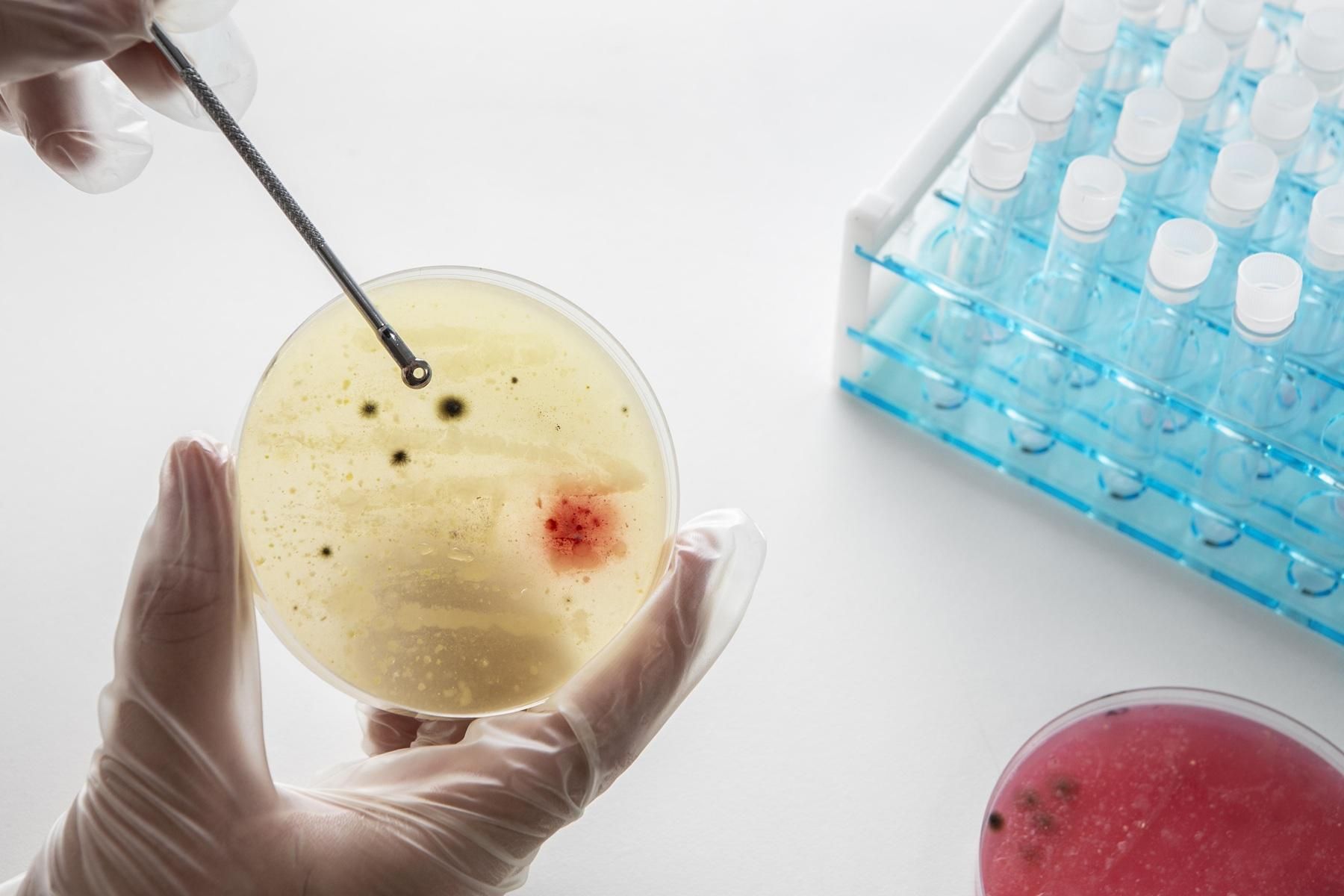
A urine culture and sensitivity test is a laboratory test that checks for the presence of bacteria or yeast in your urine. It identifies the specific organism causing a urinary tract infection and determines which antibiotics will be effective against it. Also called the urine C/S test or urine susceptibility test, this test is ordered when a doctor suspects a urinary tract infection (UTI) based on your symptoms. A urine sample is collected and sent to the lab, where it is cultured under controlled conditions for several days.
What Does a Urine Culture and Sensitivity (C&S) Test Measure?
The urine culture test analyses your urine sample across three key areas. Each one provides distinct information about the nature and severity of an infection.
| Component | What It Tells You |
|---|---|
| Bacterial or fungal identification | Names the specific organism causing the infection (e.g., E. coli, Klebsiella, Staphylococcus) |
| Colony count (CFU/mL) | Measures the concentration of bacteria per millilitre of urine to indicate infection severity |
| Antibiotic sensitivity | Shows which antibiotics can stop the bacteria's growth (Sensitive), may work at higher doses (Intermediate), or have no effect (Resistant) |
Why Is a Urine Culture and Sensitivity (C&S) Test Done?
Doctors order this test when symptoms or clinical findings suggest a urinary tract infection. It goes beyond a routine urine test by identifying the exact organism and the best treatment option.
Common Symptoms That May Require This Test
The following symptoms often prompt a doctor to request a urine culture and sensitivity test:
- A frequent or urgent need to urinate
- Pain or a burning sensation during urination
- Cloudy, dark, or strong-smelling urine
- Lower back or pelvic pain
- Blood in the urine (haematuria)
- Fever with no clear cause
- Feeling of incomplete bladder emptying
Conditions This Test Can Help Detect
The urine susceptibility test can help identify a range of urinary tract conditions. These include:
- Uncomplicated and complicated urinary tract infections (UTIs)
- Cystitis (infection of the bladder)
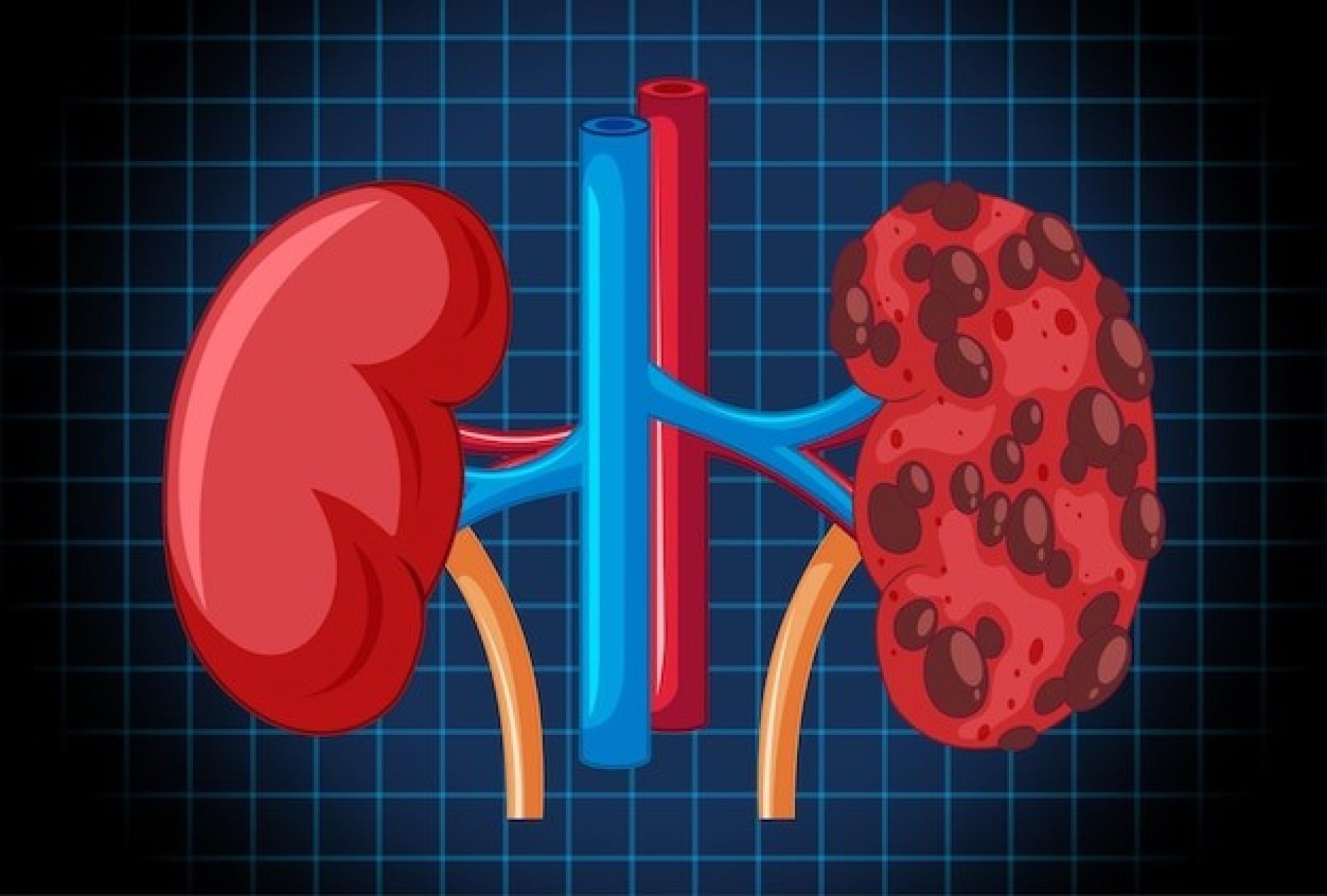
- Pyelonephritis (infection of the kidneys, which is a more serious upper UTI)
- Asymptomatic bacteriuria (bacteria in urine without symptoms)
- Catheter-associated urinary tract infections
- Recurrent or antibiotic-resistant UTIs
Urine Culture and Sensitivity (C&S) Test During Pregnancy
Routine screening with a urine culture test is recommended for all pregnant women, ideally during the first trimester or at the first prenatal visit. This is because bacteria can be present in the urine without causing any obvious symptoms during pregnancy. If left untreated, this can lead to serious complications, including kidney infection, premature labour, and low birth weight.
How to Prepare and What to Expect
Collecting a urine sample is simple and non-invasive. Here is what you need to know before your urine C/S test.
Do You Need to Fast?
No, fasting is not required for this test. You may be advised not to urinate for at least one hour before sample collection and to drink a small glass of water 15 to 20 minutes beforehand.
Practical Tips Before Your Test
A few simple steps will help ensure an accurate result from your urine culture and sensitivity test:
- Inform your doctor about any antibiotics or supplements you are currently taking, as these can affect results
- Avoid drinking excessive fluids before the test, as overly dilute urine may affect accuracy
- Women should avoid collecting a sample during menstruation unless specifically instructed by their doctor
- Collect the sample using the sterile container provided by the laboratory
Step-by-Step Procedure
The midstream clean-catch method is the standard approach for collecting a sample for the urine C&S test. Follow these steps:
- Wash your hands thoroughly with soap and water before handling the container.
- Clean the genital area carefully. Women should separate the labia and clean from front to back. Men should clean the tip of the penis.
- Begin urinating into the toilet, then move the container into the stream to collect one to two ounces of urine midway through. Finish urinating into the toilet.
- Secure the lid tightly without touching the inside of the container or the lid.
- Label the container with your name and the time of collection as instructed.
- Submit the sample to the laboratory as quickly as possible. Urine left at room temperature for more than 30 minutes can affect bacterial counts and test accuracy.
Factors That Can Affect Accuracy
Several factors can influence the reliability of your urine culture test results:
- Recent antibiotic use, which may suppress bacterial growth and produce a false-negative result
- Sample contamination from skin, clothing, vaginal secretions, or faecal matter
- Delayed sample submission or improper storage
- Menstrual contamination in women
- Excessively diluted urine from drinking too much fluid before the test
Understanding Your Urine Culture and Sensitivity (C&S) Test Results
Your results should always be reviewed alongside your symptoms and medical history. The table below outlines standard reference ranges for colony counts.
| Colony Count | Result | Interpretation |
|---|---|---|
| No growth or less than 10,000 CFU/mL | Negative | No significant infection detected |
| 10,000 to 100,000 CFU/mL | Borderline | Interpret together with clinical symptoms |
| 100,000 CFU/mL or more (clean-catch, single species) | Positive | Indicates a urinary tract infection |
| 1,000 CFU/mL or more (catheterised sample) | May indicate infection | Assessed alongside clinical context |
Sensitivity results are reported as:
- Sensitive (S): The antibiotic is effective and is the preferred choice for treatment
- Intermediate (I): The antibiotic may work at a higher dose
- Resistant (R): The bacteria can grow despite the antibiotic; it is not suitable for treatment
These ranges are general guidelines. Your doctor will interpret your results based on your age, health history, and other factors. Always consult a qualified healthcare professional for personalised medical advice.
Results During Special Conditions
Certain situations can influence how results are read or how the test is used.
- During pregnancy, hormonal and physical changes increase the risk of urinary stasis, which raises susceptibility to infection. Results are interpreted with extra care, and even asymptomatic findings are taken seriously.
- Recent antibiotic use before sample collection can suppress bacterial growth, leading to a false-negative result. Always tell your doctor if you have taken antibiotics recently.
- In people with complex health conditions such as kidney stones, poorly controlled diabetes, or an indwelling urinary catheter, results may need to be assessed alongside additional clinical information.
How to Maintain Healthy Levels
These general habits support urinary tract health:
- Drink adequate water daily to help flush bacteria from the urinary tract
- Practise good hygiene by wiping from front to back after using the toilet
- Avoid holding urine for long periods; urinate regularly throughout the day
Lupin Diagnostics Urine Culture and Sensitivity (C&S) Test Price and Home Collection
The urine culture and sensitivity test price at Lupin Diagnostics starts at ₹500, and home sample collection is available across major cities.
| City | Approximate Price (₹) |
|---|---|
| Mumbai | ₹700 |
| Bengaluru | ₹600 |
| Hyderabad | ₹600 |
| Chennai | ₹600 |
| Kolkata | ₹500 |
| Pune | ₹700 |
Prices are indicative and may vary by location. Please confirm the current price at the time of booking.
How to Book
- Select the test on the Lupin Diagnostics website.
- Choose your city and preferred time slot.
- Opt for home sample collection by a certified phlebotomist, or visit your nearest Lupin Diagnostics centre.
- Receive your report via email or WhatsApp within the stipulated turnaround time.
Home Collection
Lupin Diagnostics offers home sample collection for the urine C/S test across cities in India. A trained phlebotomist visits your home at your chosen time and guides you through the clean-catch collection process. All samples are processed in NABL-accredited laboratories, and digital reports are accessible via email or WhatsApp.
FAQs on Urine Culture & Sensitivity
A urine culture and sensitivity test is a laboratory test that identifies bacteria or fungi causing a urinary tract infection and determines which antibiotics are most effective against them. It provides more specific information than a routine urine test.
Bacterial cultures typically take 24 to 48 hours to grow. Full results, including sensitivity data, may take up to 3 to 4 days. Your doctor will review the findings with you once the report is ready.
No fasting is needed. You may be advised to avoid urinating for at least one hour before sample collection and to drink a small glass of water shortly beforehand to make collection easier.
Collecting urine midstream reduces the chance of contaminating the sample with bacteria from the skin or genitalia. A contaminated sample can produce misleading results, which may lead to unnecessary repeat testing.
No, a standard urine culture and sensitivity test does not screen for sexually transmitted infections (STIs) such as chlamydia or gonorrhoea. These require separate, specifically ordered tests. If you have concerns about STIs, speak with your doctor.
Bacteria can be present in the urine during pregnancy without causing any noticeable symptoms. If this goes undetected and untreated, it can progress to a kidney infection and increase the risk of complications such as premature labour. Routine screening with a urine culture test is therefore recommended once in the first trimester.
"Resistant" means the bacteria in your sample continued to grow even when exposed to a particular antibiotic. This antibiotic will not be effective for your treatment. Your doctor will choose an alternative that is marked as "sensitive" on your report.
Urine Culture Sensitivity (Urine C&S) Test