When you are battling a fever, your body is in overdrive, fighting off infection and burning energy faster than usual. While rest and hydration are vital, your diet during a fever can either support or slow down recovery.
According to Harvard Health Publishing (2022), the right foods can ease symptoms and strengthen immunity, while the wrong choices may aggravate inflammation and digestion. This article helps you understand what foods to avoid during fever and what to eat instead to feel better, sooner.
Why Does Diet Matter So Much During a Fever?
Fever increases your body temperature and metabolism, which means your body uses more nutrients and fluids to function. When fighting an illness, your immune system relies on nutrient-dense foods for energy, immune support, and recovery.
As noted by Mayo Clinic, a fever diet plan should focus on:
- Hydration
- Easy-to-digest foods
- Anti-inflammatory nutrients
- Immune-boosting ingredients
But before you reach for comfort food, it is important to understand what to skip.
Foods You Should Avoid When You Have a Fever
Eating the wrong foods during illness can worsen symptoms like nausea, congestion, and fatigue. Here is a list of worst foods for fever recovery and why they slow healing.
1. Fried and Greasy Foods
High-fat foods like fries, burgers, or deep-fried snacks are hard to digest and can trigger bloating or nausea.
Why to avoid: These foods slow digestion, irritate the stomach, and sap energy that the body needs for healing.
2. Sugary Snacks and Desserts
Cookies, candy, soda, and cakes may offer a temporary mood lift but come with zero immunity value.
Why to avoid: According to the Cleveland Clinic (2023), sugar increases inflammation and weakens white blood cell activity, two things your body does not need during a fever.
3. Caffeinated Drinks
Coffee, energy drinks, and colas act as diuretics and may worsen dehydration.
Why to avoid: Fever already increases fluid loss. Caffeine interferes with hydration and restful sleep, both vital for immune response.
4. Dairy (For Some Individuals)
While dairy is not harmful for everyone, some people experience increased mucus production or discomfort during respiratory illnesses.
Why to avoid: If you notice more congestion or digestive upset after consuming dairy, skip it until symptoms improve.
5. Spicy Foods
Heavily spiced dishes can worsen gastrointestinal discomfort during a fever.
Why to avoid: Spicy meals may overstimulate an already sensitive digestive system, leading to nausea or diarrhea.
6. Processed and Packaged Foods
Instant noodles, chips, frozen meals, and canned soups often contain excess sodium and artificial additives.
Why to avoid: They lack the micronutrients your body needs and may worsen dehydration or inflammation.
Best Foods for Fever Recovery - What to Eat Instead
The best foods for fever recovery are those that are hydrating, easy to digest, and rich in vitamins and minerals. Here is what to focus on:
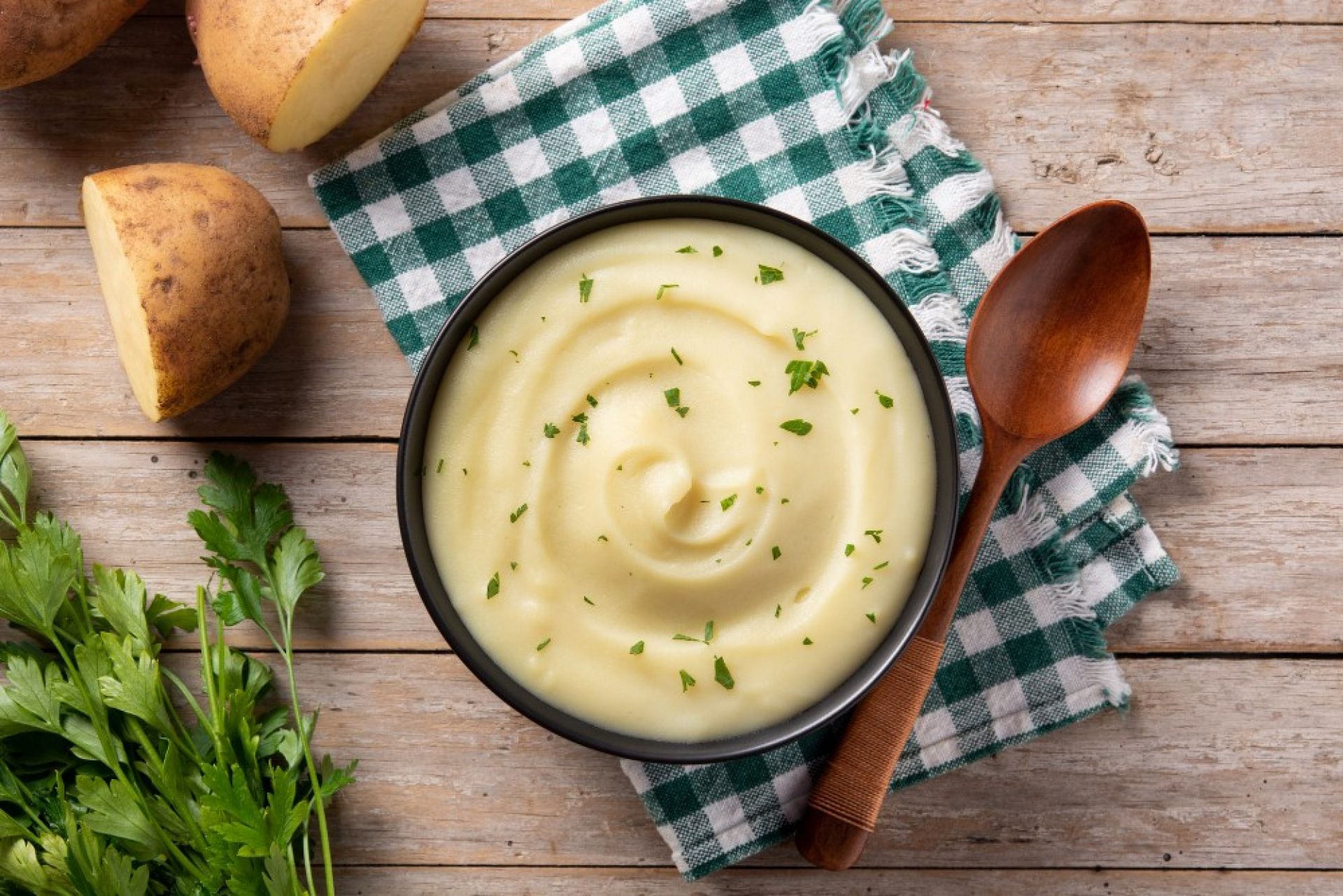
- Khichdi (Dal & Rice Porridge): It is the ultimate Indian recovery food - lightly spiced, easy to digest, and packed with carbohydrates and protein. It provides gentle nourishment without taxing your gut.
- Clear Broths & Healing Soups (Chicken or Vegetable): Warm broths replenish sodium and potassium lost through sweating. Steam from soup can ease sinus congestion. Chicken soup has been shown to have mild anti-inflammatory effects.
- BRAT Diet Foods (Bananas, Rice, Applesauce, Toast & Crackers): These starchy, low-fibre foods are gentle on the stomach and ideal when fever is accompanied by nausea or loose stools. Bananas also replenish potassium.
- Lightly Steamed Vegetables (Carrots, Spinach, Zucchini, Pumpkin): Cooking breaks down tough plant fibres, making vegetables easier to digest while preserving vitamins A, C, E, and K - all critical for immune function. Cooked spinach and carrots are particularly good choices.
- Fresh Fruits (Watermelon, Bananas, Berries, Oranges): Fruits with high water content aid hydration. Vitamin C-rich fruits like oranges and berries support immunity. If chewing is exhausting, blend into a light smoothie.
- Garlic (Antiviral Properties): Research has shown garlic possesses antiviral properties that may support immune function. Add small amounts of cooked garlic to soups or broths for an immune boost.
- Oatmeal & Soft Proteins (Boiled Eggs, Soft Chicken): Oats provide B vitamins and slow-release energy. Lean proteins like boiled eggs repair tissues and support immune cell production. Avoid fried or heavily marinated preparations.
- Probiotic Yogurt (When No Congestion): If you are not experiencing respiratory congestion, a small amount of plain probiotic yogurt can support gut immunity through healthy bacteria. Choose unsweetened varieties.
Best Drinks During a Fever - Hydration First
Fever increases fluid loss dramatically. Replacing fluids is your top priority:
- Water: The gold standard; sip consistently throughout the day.
- ORS (Oral Rehydration Solution): Replenishes sodium, potassium, and glucose lost through sweating.
- Coconut water: Natural electrolytes without added sugar.
- Herbal teas: Ginger tea eases nausea; chamomile calms inflammation; peppermint provides a cooling effect.
- Clear vegetable / chicken broth: Nourishing and hydrating together.
Avoid: Caffeinated drinks, soda, and high-sugar packaged juices — all of which worsen dehydration.
Sample 1-Day Fever Diet Plan
| Meal Time | Recommended Food | Why |
|---|---|---|
| Early Morning | Warm water with a squeeze of lemon + pinch of turmeric | Hydration + anti-inflammatory |
| Breakfast | Oatmeal with mashed banana | Easy to digest, energy + potassium |
| Mid-Morning | Coconut water or ORS | Electrolyte replenishment |
| Lunch | Moong dal khichdi (lightly spiced) + boiled carrots | Complete gentle nourishment |
| Evening | Ginger-honey herbal tea + plain crackers | Soothes throat, easy on stomach |
| Dinner | Clear chicken / vegetable broth + soft steamed vegetables | Hydrating + immune-supporting |
| Before Bed | Warm water with honey | Soothes and hydrates |
Tips for Eating When You Have No Appetite
Loss of appetite is common during illness. But nourishing your body, even with small meals, can accelerate recovery.
Fever-Eating Tips:
- Eat small, frequent portions every 2–3 hours rather than large meals.
- Focus on hydration first - fluids take priority over solids.
- Keep easy options nearby: crackers, applesauce cups, broth in a flask.
- Avoid your favourite comfort foods while nauseated - you risk developing a lasting distaste for them.
- For children, offer popsicles to help with hydration and throat comfort.
When Should You See a Doctor or Get a Fever Test?
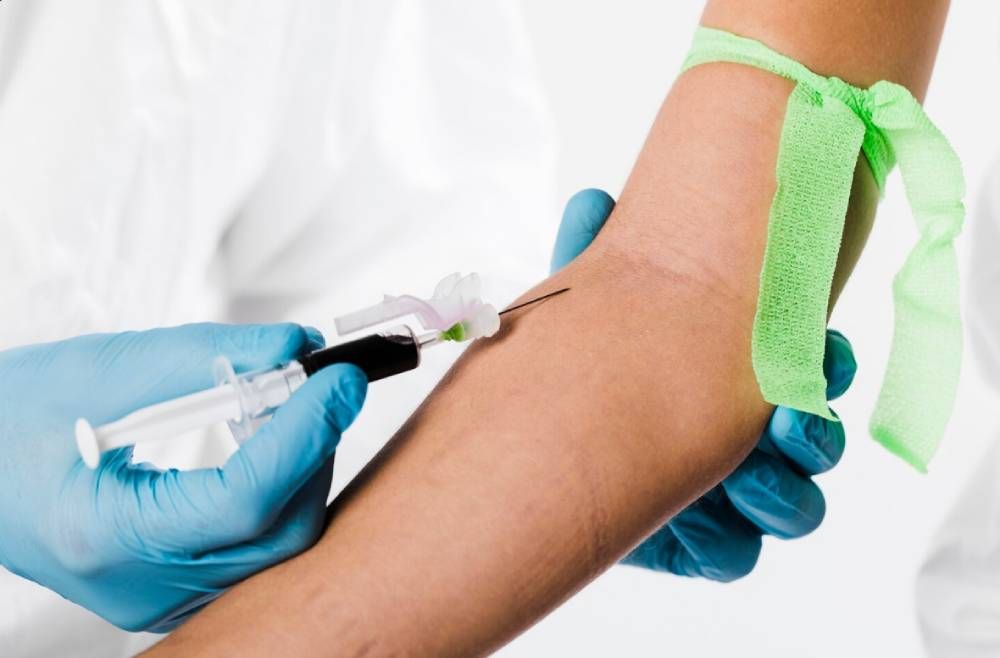
Diet supports recovery, but some fevers need medical attention. Consider a Fever Panel Test or fever diagnostic workup if:
- Temperature rises above 103°F (39.4°C)
- Fever lasts more than 3 consecutive days
- Symptoms include severe headache, rash, stiff neck, or difficulty breathing
- Children under 2 years have any fever — always consult a doctor
A Complete Blood Count (CBC) test can help identify whether the fever is viral or bacterial, guiding the right treatment.
Are sugary drinks okay during fever?
No. According to CDC guidelines (2023), sugary beverages can increase inflammation and do little to support hydration or immunity.
Eat Smart to Heal Faster During Fever
Choosing the right foods during a fever can significantly impact your comfort and recovery time. While you might crave fried or sugary treats, these can strain your body and suppress immune function.
Instead, focus on:
- Warm, soft meals
- Hydration-first choices
- Foods rich in vitamins and easy to digest
Whether you are caring for yourself or a loved one, understanding what not to eat during a fever, and replacing it with supportive, healing foods, can make all the difference.
Frequently Asked Questions
What is the number one food to avoid during fever?
Fried and greasy foods are among the worst choices during fever. They are hard to digest, cause nausea and bloating, and divert energy your body needs for healing. Indian examples include samosas, pakoras, and bhature.
Is rice good to eat during fever?
Yes. Plain cooked rice (especially as khichdi or congee) is one of the best foods during a fever. It is easy to digest, gentle on the stomach, and provides quick energy without taxing your digestive system.
Can I drink milk during a fever?
It depends. Dairy can thicken mucus and worsen congestion in some individuals, especially during a respiratory illness. If you experience increased phlegm, switch to plant-based alternatives like almond or oat milk until symptoms improve.
Is fruit juice okay to drink with a fever?
Packaged, high-sugar fruit juices are best avoided as they increase inflammation and do little for hydration. Instead, choose fresh coconut water, ORS, or small amounts of freshly squeezed citrus juice (diluted with water) for Vitamin C.
What should I eat on the first day of fever?
On day one of fever, prioritise fluids above everything else: water, ORS, clear broth, and herbal teas. If you can eat, stick to very light foods like plain khichdi, banana, or plain toast. Avoid anything fried, spicy, or dairy-heavy.
How long should I follow a fever diet?
Continue the fever-friendly diet for at least 2-3 days after your temperature normalises. Gradually reintroduce regular foods as your appetite and energy return. If symptoms persist beyond 3 days, consult a doctor and consider a blood test.