Insulin Post Prandial (PP Insulin) Test: Booking, Price, and Results
About Insulin Post Prandial (PP Insulin) Test: Booking, Price, and Results
| Field | Value |
|---|---|
| Also Known As | PP Insulin, Post-Meal Insulin, 2-Hour Post-Prandial Insulin, Insulin PP Assay |
| Sample Type | Venous blood (serum) |
| Fasting Required | No fasting required; the sample is collected exactly 2 hours after eating a standard meal |
| Report Time | Within 24 to 48 hours |
| Recommended For | All genders and age groups, particularly those with suspected insulin resistance, prediabetes, type 2 diabetes, PCOS, or unexplained hypoglycaemia |
| Price | Starting at ₹400 |
What Is an Insulin Post Prandial (PP Insulin) Test?
The Insulin Post Prandial (PP Insulin) test measures the amount of insulin in your blood two hours after eating a meal. Insulin is a hormone made by the pancreas that helps your body use glucose (sugar from food) for energy. Also called the PP insulin assay or 2-hour post-meal insulin test, it shows how well your pancreas responds to a rise in blood sugar after eating. A venous blood sample is used for this test.
What Does an Insulin Post Prandial (PP Insulin) Test Measure?
This test measures a single parameter. The table below explains what it tracks and why it matters.
| Parameter | What It Shows | Unit |
|---|---|---|
| Insulin (2 hours post-meal) | The amount of insulin your pancreas releases in response to food, reflecting how well your body manages blood sugar after eating | µU/mL (microunits per millilitre) |
When you eat, glucose levels in your blood rise. The pancreas responds by releasing insulin, which moves glucose from the blood into your body's cells to produce energy. This test captures how much insulin is circulating two hours after that process begins.
Why Is an Insulin Post Prandial (PP Insulin) Test Done?
Doctors order this test to understand how your body handles blood sugar after meals. It is useful for detecting early-stage metabolic problems that may not show up on a simple fasting test.
Common Symptoms That May Require This Test
Your doctor may recommend this test if you experience any of the following symptoms:
- Increased thirst or frequent urination
- Unexplained changes in weight or appetite
- Persistent weakness or fatigue
- Tingling or numbness in the hands or legs
- Sweating, trembling, or palpitations
- Dizziness, confusion, or blurred vision
- Sudden hunger or fainting episodes
Conditions This Test Can Help Detect
This test can provide information relevant to a range of conditions, including:
- Type 2 diabetes and prediabetes
- Insulin resistance (when cells do not respond well to insulin)
- Insulinoma (a tumour in the pancreas that produces excess insulin)
- Hypoglycaemia (abnormally low blood sugar)
- Hyperinsulinism (excess insulin production)
- Polycystic ovary syndrome (PCOS)
- Obesity-related metabolic changes
- Cushing's syndrome, acromegaly, and hyperthyroidism
- Untreated type 1 diabetes mellitus
Insulin Post Prandial (PP Insulin) Test for Chronic Disease Monitoring
This test is often used to track how well the body is managing blood sugar over time in people already diagnosed with diabetes or insulin resistance. Periodic testing can help a doctor assess whether current treatment is working and whether insulin therapy is needed for someone with type 2 diabetes. When combined with a glucose tolerance test, it offers a clearer picture of how the body responds to a glucose load.
How to Prepare and What to Expect
Preparation for this test is straightforward, but following the instructions carefully ensures your results are accurate.
Do You Need to Fast?
No fasting is required for this test. You need to eat a standard, balanced meal and have your blood drawn exactly two hours after the meal begins. Do not eat any snacks or sweets between your meal and the blood draw.
If your doctor has ordered additional tests alongside this one, those tests may have separate fasting requirements. Check with your doctor or the laboratory beforehand.
Practical Tips Before Your Test
Keep the following in mind before your appointment:
- Eat a normal, balanced meal with standard carbohydrates (not an unusually high-fat or very low-carbohydrate meal)
- Do not eat snacks, candy, or sugary drinks after your main meal
- Avoid biotin supplements (commonly found in hair, skin, and nail products) for at least 12 hours before the test
- Inform your doctor about all medications and supplements you are currently taking
- Avoid strenuous physical activity just before the test
- Stay well hydrated with plain water
Step-by-Step Procedure
- Eat a regular, balanced meal at the time specified by your doctor or the laboratory.
- Note the time you started eating and wait exactly 2 hours before going for the blood draw.
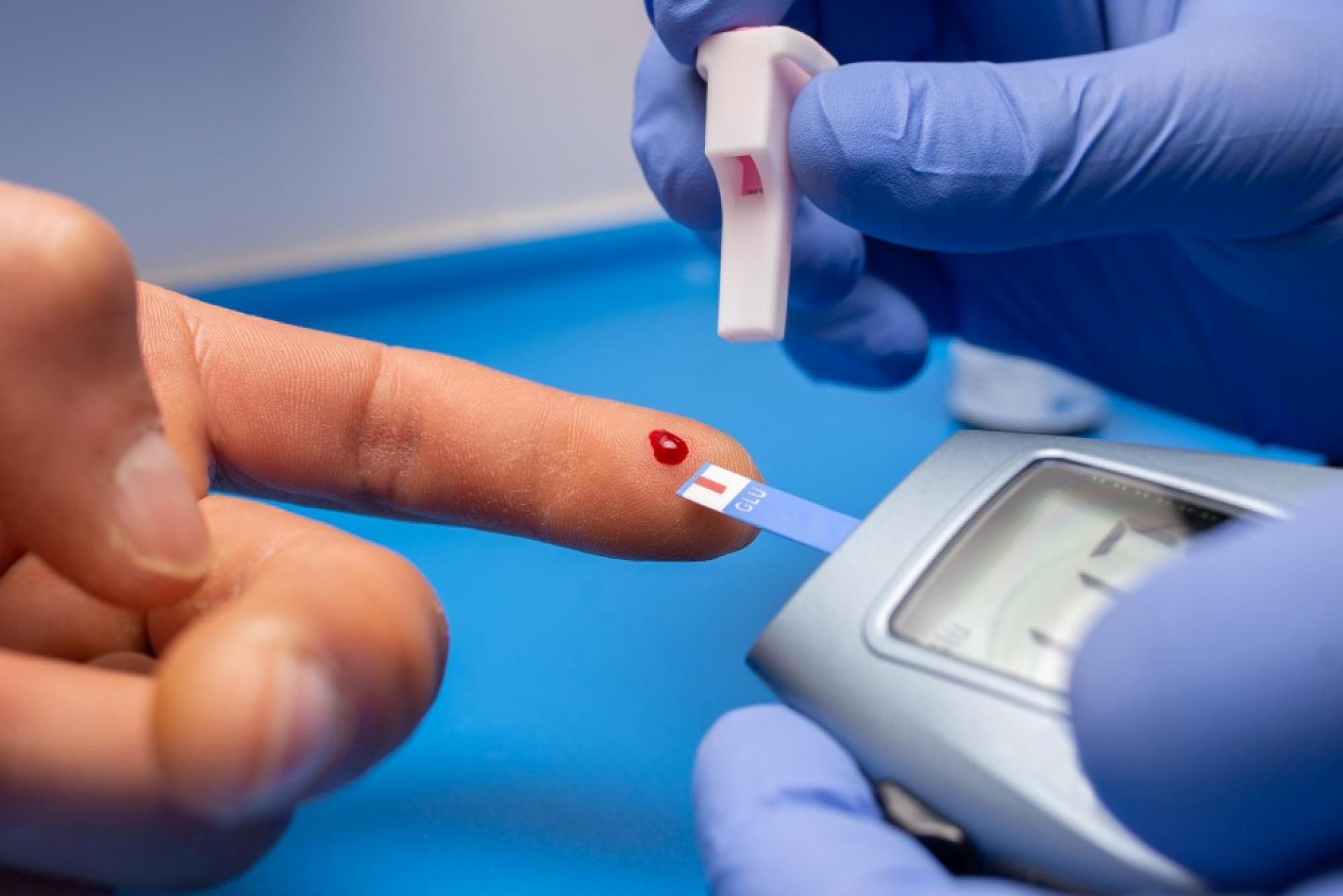
- A trained phlebotomist (blood collection specialist) will clean a spot on your arm with an antiseptic wipe.
- A small needle is used to draw a blood sample from a vein in your arm.
- A cotton pad is placed over the site after collection; any minor discomfort settles quickly.
- The blood sample is labelled and sent to the laboratory for analysis.
Factors That Can Affect Accuracy
Several factors may influence your PP insulin assay results. Be sure to tell your doctor if any of the following apply to you:
- Eating a snack or sweet food after your meal and before the blood draw
- Extreme physical or emotional stress at the time of testing
- Smoking habits
- Current medications, including oral contraceptives or corticosteroids
- Cultural or dietary differences in meal composition
- Being in a stage of hormonal change, such as puberty or postmenopause
Understanding Your Insulin Post Prandial (PP Insulin) Test Results
Your results show how much insulin was present in your blood two hours after eating. A doctor will interpret them in context with your symptoms, medical history, and other test findings. The table below provides general reference values for adults.
| Parameter | Normal Range | Low | High |
|---|---|---|---|
| Insulin PP (2 hours post-meal) | 5.00 to 55.00 µU/mL | Below 5.00 µU/mL | Above 55.00 µU/mL |
| Fasting Insulin (for comparison) | 2 to 20 µU/mL | Below 2 µU/mL | Above 20 µU/mL |
These ranges are general guidelines. Your doctor will interpret your results based on your age, health history, and other factors. Always consult a qualified healthcare professional for personalised medical advice.
Normal insulin levels vary considerably depending on age, gender, ethnicity, and the method used for testing. A result within the reference range generally indicates the pancreas is producing a suitable amount of insulin in response to food.
Results During Special Conditions
Certain health conditions can affect how your results should be read.
In people with PCOS, insulin resistance is a central feature of the condition and can lead to higher-than-normal postprandial insulin responses. In the early stages of type 2 diabetes, insulin levels may appear normal or even elevated; in later stages, they tend to decline. People who use insulin therapy may develop antibodies that interfere with the assay, which can affect the accuracy of the results. Obesity can also cause elevated insulin levels due to insulin resistance, independent of diabetes.
How to Maintain Healthy Levels
These general wellness tips may support healthy insulin function over time:
- Aim to maintain a healthy weight, as this supports the body's sensitivity to insulin.
- Include regular physical activity such as walking, strength training, or yoga in your routine, as exercise helps the body use glucose more efficiently.
- Follow a balanced diet with plenty of fibre, vegetables, lean proteins, and healthy fats, and limit refined carbohydrates and sugary foods.
Lupin Diagnostics Insulin Post Prandial (PP Insulin) Test Price and Home Collection
The Insulin Post Prandial (PP Insulin) test is available at Lupin Diagnostics starting at ₹400, with home sample collection offered across cities in India.
| City | Approximate Price (₹) |
|---|---|
| Chennai | ₹800 |
| Mumbai | ₹800 |
| Bangalore | ₹800 |
| Hyderabad | ₹800 |
| Kolkata | ₹850 |
| Pune | ₹800 |
| Ahmednagar | ₹800 |
Prices are indicative and may vary by location. Please confirm the current price at the time of booking.
How to Book
- Select the test on the Lupin Diagnostics website.
- Choose your city and preferred time slot.
- Opt for home sample collection by a certified phlebotomist, or visit your nearest Lupin Diagnostics centre.
- Receive your report via email or WhatsApp within the stipulated turnaround time.
Home Collection
Lupin Diagnostics offers home sample collection for the Insulin Post Prandial (PP Insulin) test across multiple cities in India. All samples are processed in NABL-accredited laboratories by qualified professionals. Your digital report is shared via email or WhatsApp within 24 to 48 hours of sample collection.
Frequently Asked Questions
A fasting insulin test measures your insulin level after 8 to 12 hours without food, reflecting your baseline insulin production. The Insulin Post Prandial (PP Insulin) test measures insulin two hours after eating, showing how your body responds to a rise in blood sugar from food. Both tests provide different and complementary information about how your body manages glucose.
Ideally, within two hours of eating, insulin and blood glucose levels should return close to their normal range. This timing captures whether your pancreas is producing a healthy amount of insulin in response to a meal and whether levels are returning to baseline as expected.
No. This test is typically used alongside other tests such as fasting glucose, HbA1c, and the oral glucose tolerance test to build a complete picture. It adds useful information, particularly for detecting early-stage or less obvious cases of diabetes, but a diagnosis is never based on a single test result.
Eat a normal, balanced meal with standard carbohydrates, similar to what you would have on a regular day. Avoid unusually high-fat or very low-carbohydrate meals, and do not eat any snacks or sweets after your main meal. Your doctor or the laboratory may give you specific guidance.
Yes, it can be useful. Insulin resistance is a central feature of PCOS, and the 2-hour post-meal insulin test can help assess how significantly insulin resistance is affecting the body. Your doctor will decide whether this test is appropriate as part of your overall assessment.
Yes. Oral contraceptives, corticosteroids, and certain diabetes medications can all influence insulin levels in the blood. Inform your doctor about every medication and supplement you are taking before the test so your results can be interpreted accurately.
The frequency of repeat testing depends on your specific condition and your doctor's guidance. People managing diabetes or insulin resistance may need periodic testing to track how well treatment is working and whether adjustments are needed over time.
Insulin Post Prandial (PP Insulin) Test: Booking, Price, and Results