Book a Home Collection Now!
HbA1c Test: Purpose, Procedure, Normal Range & Results
May 26, 2026 - By Lupin Diagnostics
India has over 10.1 crore people living with diabetes. A daily finger-prick reading captures just one moment. The HbA1c test normal range tells a fuller story. This simple blood test reveals your average blood sugar over three months. Here is everything you need to know about it.
What Is the HbA1c Test and How Does It Work?
Glucose in your blood naturally sticks to haemoglobin, the protein inside red blood cells. The more sugar in your blood, the more gets attached. Since red blood cells live for roughly three months, the HbA1c test captures your average blood sugar level over that entire period.
This makes it far more reliable than a single fasting reading. A fasting test changes with your last meal or stress levels. Glycated haemoglobin, on the other hand, reflects steady patterns. Think of it as a three-month report card for your blood sugar.
Here is how it differs from routine glucose checks:
- A fasting blood sugar test measures glucose at one point in time.
- The HbA1c test shows a percentage reflecting 90-day glucose control.
- It does not swing based on a recent meal or exercise session.
What Is the HbA1c Test Purpose?
Your doctor may recommend this test for several important reasons:
- Screening for prediabetes before symptoms appear
- Diagnosing type 1 or type 2 diabetes with a single blood draw
- Tracking treatment progress over time for those already diagnosed
- Adjusting medications or lifestyle plans based on trends
Most people with diabetes get their HbA1c checked at least twice a year.
Symptoms That May Prompt This Test
Type 2 diabetes symptoms often develop gradually over years. Watch for these signs:
- Excessive thirst or dry mouth
- Frequent urination, especially at night
- Unexplained weight loss
- Persistent fatigue or tiredness
- Blurry or unclear vision
If you notice these symptoms, consult a doctor for proper evaluation.
What Does the HbA1c Test Procedure Involve?
The preparation for this test is straightforward. Here is what to expect step by step:
- Preparation: You do not need to fast. Eat and drink normally beforehand.
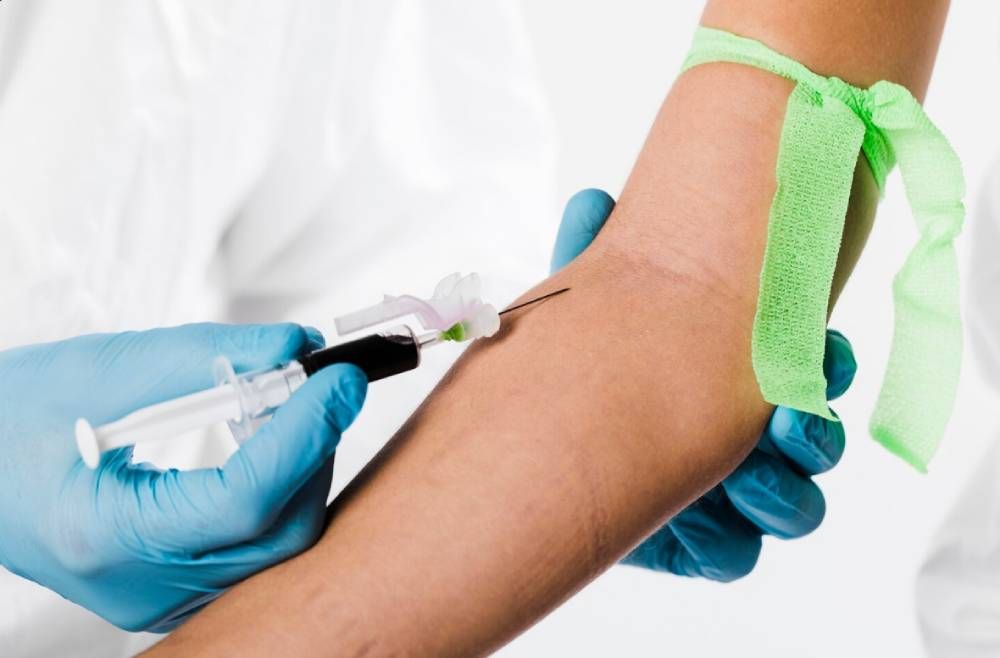
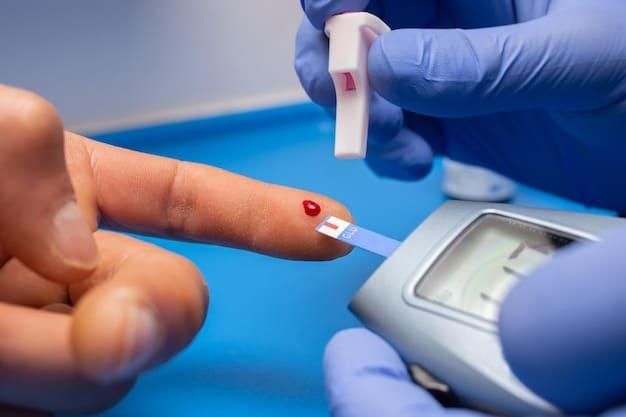
- Blood draw: A lab technician collects a small venous blood sample. A finger-prick version also exists for quick screening.
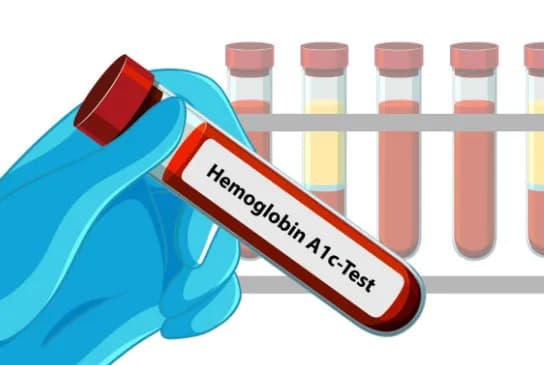
- Sample handling: The blood goes into a special collection tube for processing.
- Turnaround: Results typically arrive within 24 to 48 hours.
The whole process takes just a few minutes. Your healthcare provider will guide you on the best testing method for your situation.
Understanding the HbA1c Test Normal Range
This is the section most readers look for. The table below breaks down what your HbA1c test results actually mean:
| HbA1c Level | What It Indicates |
|---|---|
| Below 5.7% | Normal |
| 5.7% to 6.4% | Prediabetes |
| 6.5% or higher | Diabetes |
An A1c test chart like this gives a quick reference. Still, numbers alone do not tell the whole story. Your doctor considers your complete health profile before reaching a diagnosis.
HbA1c Target Levels for Diabetic Individuals
For someone already managing diabetes, the goal shifts slightly. Most doctors aim for an HbA1c of 7% or below. Your endocrinologist may set a personalised target based on your medical history.
Always follow your doctor's guidance rather than general benchmarks.
Does Age Affect the HbA1c Normal Range?
Age and overall health do influence targets. For healthier older adults, guidelines suggest keeping HbA1c below 7.0% to 7.5%. For those who are frail or have multiple conditions, a more relaxed target of below 8.0% to 8.5% may be appropriate.
What Do High HbA1c Test Results Mean?
Elevated HbA1c levels signal that blood sugar has been consistently high. Over time, this raises the risk of nerve damage, heart problems, and kidney complications.
Here are steps you can take to support healthier levels:
- Choose complex carbs like whole-wheat roti, brown rice, and millets
- Add fibre-rich foods such as dal, vegetables, and oats to meals
- Aim for 30 minutes of physical activity daily
- Maintain a healthy weight through consistent habits
- Take prescribed medications regularly and on time
What Can Falsely Alter Your HbA1c Test Results?
Certain conditions may skew your HbA1c reading without reflecting true blood sugar levels:
- Severe anaemia or iron deficiency
- Sickle cell anaemia or thalassaemia
- Recent blood transfusions
- Kidney or liver disease
If any of these apply to you, inform your doctor. They may use alternative methods to assess your sugar control.
Taking Charge of Your Health
Your HbA1c test results offer a clear, three-month window into how well your body handles blood sugar. Whether you are screening for prediabetes or tracking diabetes management, this single number carries powerful insight.
If you would like to get your HbA1c levels checked, Lupin Diagnostics offers convenient testing at NABL-accredited labs and home collection services across India.
Frequently Asked Questions
What is the full form of HbA1c?
HbA1c stands for 'haemoglobin A1c'. It is also called glycated haemoglobin or glycosylated haemoglobin.
Is fasting required before an HbA1c test?
Fasting is not required for the HbA1c test. Your doctor may request additional tests alongside it that need fasting, so always check in advance.
Can a finger-prick test replace an HbA1c test?
A daily finger-prick test captures blood sugar at a single moment. The HbA1c test measures your three-month average, giving a much more complete picture that a finger-prick alone cannot provide.
Is an HbA1c level of 7.5 considered dangerous?
An HbA1c of 7.5% is above the general target of 7% for most people with diabetes. Higher levels are linked to greater risk of complications, so discuss this result with your doctor promptly.
How often should I get an HbA1c test done?
Most people managing diabetes should get tested at least twice a year. Your doctor may recommend more frequent testing if your treatment plan has recently changed.
This article is for informational and educational purposes only. It is not a substitute for professional medical advice, diagnosis, or treatment. Please consult a qualified healthcare provider for any questions regarding a medical condition or before making changes to your health routine.
Featured Articles
Diabetes Screening For Diagnosis And Prevention
Posted on: 25th Oct 2023

Eating To Recover: The Best Foods For Getting Back On Your Feet After Cholera
Posted on: 22nd Jan 2026

What A Complete Blood Count (CBC) Tells You About Your Health
Posted on: 22nd Jan 2026