Book Your Health Check-up
Abnormal Haemoglobin Study (Hb Electrophoresis) Test
About Abnormal Haemoglobin Study (Hb Electrophoresis) Test
| Field | Value |
|---|---|
| Also Known As | Hb Electrophoresis, HPLC, Haemoglobinopathy Evaluation, Abnormal Hb Studies, Hb ELP, Haemoglobin Fractionation |
| Sample Type | Whole blood (collected in an EDTA tube) |
| Fasting Required | No fasting required |
| Report Time | 1 day |
| Recommended For | All ages and genders; especially those with a family history of blood disorders or of South Asian, African, or Mediterranean descent |
| Price | Starting at ₹860 |
What is an Abnormal Haemoglobin Study (Hb Electrophoresis) Test?
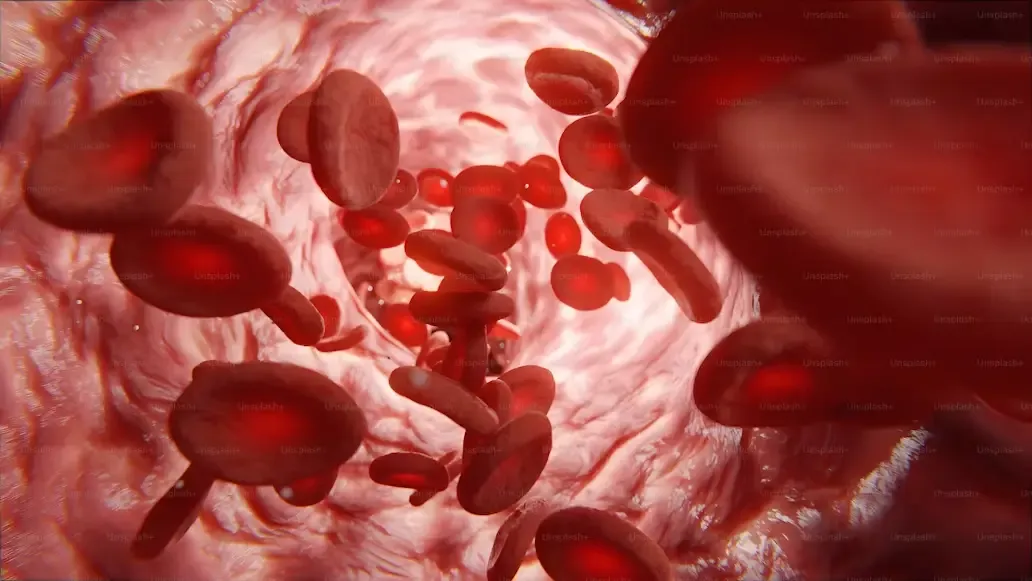
The Abnormal Haemoglobin Study Test identifies and measures the different types of haemoglobin present in your blood. Haemoglobin is the protein inside red blood cells that carries oxygen throughout the body.
Doctors order this test to check for haemoglobinopathies, which are inherited disorders involving abnormal forms of haemoglobin. A small whole blood sample, drawn from a vein, is used for the analysis.
What Does an Abnormal Haemoglobin Study (Hb Electrophoresis) Test Measure?
The test separates and quantifies each haemoglobin type using HPLC (High-Performance Liquid Chromatography).
Here is a summary of the key parameters it reports:
| Parameter | Description |
|---|---|
| HbA | The main haemoglobin type in healthy adults |
| HbA2 | A minor adult haemoglobin, normally present in small amounts |
| HbF (Foetal haemoglobin) | Predominantly found in newborns; usually replaced by HbA by age one to two years |
| HbS | An abnormal type linked to sickle cell anaemia, where red blood cells become crescent-shaped |
| HbC | An abnormal type associated with haemolytic anaemia, where red blood cells break down faster than normal |
| HbE | An abnormal variant common in people of Southeast Asian descent |
| HbD | An abnormal variant; the HbD Punjab type is frequently seen in people from Gujarat and among Sikhs of Punjab |
Why is an Abnormal Haemoglobin Study (Hb Electrophoresis) Test Done?
This test is used to detect inherited blood disorders and to investigate unexplained anaemia. Below are the common reasons a doctor may recommend it.
Common Symptoms That May Require This Test
Several symptoms may prompt a doctor to order this test:
- Unexplained, persistent fatigue
- Pale skin (pallor)
- Dizziness or light-headedness
- Shortness of breath with minimal activity
- Jaundice (yellowing of the skin or eyes)
- Bone pain
- Frequent infections
Conditions This Test Can Help Detect
The Hb Electrophoresis Test can help identify the following conditions:
- Beta-thalassaemia trait and thalassaemia major (inherited conditions causing reduced haemoglobin production)
- Sickle cell anaemia and sickle cell trait (carrier status)
- HbC disease, HbE disease, and HbD disease
- Other rare haemoglobin variants
Abnormal Haemoglobin Study (Hb Electrophoresis) Test During Pregnancy
This test is widely recommended during early pregnancy. It identifies whether the expectant parent carries a haemoglobin disorder such as sickle cell disease or thalassaemia, which could be passed on to the baby. If both parents are carriers, genetic counselling and further prenatal testing can help assess the risk to the foetus.
Abnormal Haemoglobin Study (Hb Electrophoresis) Test for Chronic Disease Monitoring
For patients already diagnosed with a haemoglobin disorder, this test helps track how the condition changes over time. In sickle cell disease, it is used to monitor HbF levels during treatment with hydroxyurea (a medicine that increases foetal haemoglobin). In thalassaemia patients receiving regular blood transfusions, it helps assess the balance between transfused and the patient's own red blood cells. Repeat testing frequency is typically every three to six months during active treatment.
How to Prepare and What to Expect
No special preparation is needed for this test. The steps below outline what happens during the process.
Do You Need to Fast?
No, fasting is not required. You may eat and drink normally before your blood sample is taken. No dietary restrictions apply to this test.
Practical Tips Before Your Test
Keep the following in mind before your appointment:
- Inform your doctor if you have had a blood transfusion within the past 12 weeks, as this can affect your results.
- Tell your doctor about all current medications, particularly hydroxyurea or decitabine, as these can alter haemoglobin levels.
- Wear a short-sleeved top or clothing with sleeves you can roll up easily for a comfortable blood draw.
- Stay well hydrated, as this helps make your veins easier to access.
Step-by-Step Procedure
The Abnormal Haemoglobin Study test procedure is quick and straightforward:
- A trained phlebotomist (blood collection technician) cleans the inside of your elbow or another suitable vein site with an antiseptic wipe.
- A tourniquet (elastic band) is tied around your upper arm to make the veins more visible and accessible.
- A fine needle is inserted into a vein, and approximately 2 ml of blood is drawn into a lavender-top EDTA tube, which prevents the blood from clotting.
- The needle is gently removed, and light pressure is applied with cotton or gauze to stop any bleeding.
- The sample is stored under refrigerated conditions and transported to the laboratory.
- At the lab, HPLC technology separates and measures each haemoglobin type, and results are reported within one day.
Factors That Can Affect Accuracy
Certain factors may influence your test results:
- A recent blood transfusion (within the past 12 weeks)
- Concurrent iron deficiency or vitamin B12 and folate deficiency
- Medications such as hydroxyurea or decitabine, which can raise HbF levels
- A delayed or improperly stored sample
Understanding Your Abnormal Haemoglobin Study (Hb Electrophoresis) Test Results
Your results show the percentage of each haemoglobin type in your blood. The table below lists the standard reference ranges for adults.
| Parameter | Normal Range (Adults) | Unit |
|---|---|---|
| HbA | 95 to 98 | % |
| HbA2 | 2.0 to 3.5 | % |
| HbF | Less than 2.0 | % |
| HbS | Absent (0) | % |
| HbC | Absent (0) | % |
Disclaimer: These ranges are general guidelines. Your doctor will interpret your results based on your age, health history, and other factors. Always consult a qualified healthcare professional for personalised medical advice.
Results During Special Conditions
Certain medical situations can alter test findings in meaningful ways:
- A blood transfusion received within 12 weeks may mask abnormal haemoglobin patterns, because transfused red blood cells are present alongside the patient's own cells.
- Iron deficiency anaemia can lower HbA2 levels, which may conceal the beta-thalassaemia trait.
- Conversely, megaloblastic anaemia (caused by vitamin B12 or folate deficiency) can raise HbA2, which could be misread as a thalassaemia trait if not accounted for.
- Treatment with hydroxyurea or decitabine raises HbF levels artificially, so results in patients on these medicines need careful clinical interpretation.
How to Maintain Healthy Levels
While haemoglobin disorders are inherited and cannot be prevented through lifestyle changes alone, the following habits support overall red blood cell health:
- Eat a balanced diet with adequate iron, folate, and vitamin B12 to support healthy red blood cell production.
- If you or your partner are carriers of a haemoglobin disorder, seek genetic counselling before planning a family.
- Attend all scheduled follow-up tests and appointments as advised by your doctor.
Lupin Diagnostics Abnormal Haemoglobin Study (Hb Electrophoresis) Test Price and Home Collection
The Abnormal Haemoglobin Study test cost at Lupin Diagnostics starts at ₹860, and home sample collection is available.
The table below shows approximate prices in major Indian cities:
| City | Approximate Price (₹) |
|---|---|
| BHOPAL | 950 |
| CHENNAI | 990 |
| HYDERABAD | 990 |
| KOLKATA | 990 |
| NAVI MUMBAI | 860 |
| PUNE | 860 |
Disclaimer: Prices are indicative and may vary by location. Please confirm the current price at the time of booking.
Booking your Abnormal Haemoglobin Study test online is simple:
- Select the test on the Lupin Diagnostics website.
- Choose your city and preferred time slot.
- Opt for home sample collection by a certified phlebotomist, or visit your nearest Lupin Diagnostics centre.
- Receive your report via email or WhatsApp within the stipulated turnaround time.
Home Collection
The Abnormal Haemoglobin Study test home collection service is available across cities. A certified phlebotomist visits your home at your chosen time, collects the blood sample, and transports it under proper conditions to an NABL-accredited Lupin Diagnostics laboratory. Your digital report is delivered directly to you once ready.
Frequently Asked Questions
Both methods separate and measure the different types of haemoglobin in your blood. HPLC is now the preferred method in most laboratories because it is fast and automated. Electrophoresis may be used alongside HPLC to confirm findings. Lupin Diagnostics uses the HPLC method for this test.
No fasting is required. You can eat and drink as usual before your blood sample is collected. There are no dietary restrictions for this test.
The test checks whether the expectant parent carries a haemoglobin disorder such as sickle cell disease or thalassaemia. If both partners are carriers, the baby could inherit a serious condition. Early testing allows for genetic counselling and informed decision-making during pregnancy.
Yes. If you have had a blood transfusion within the past 12 weeks, your results may not accurately reflect your own haemoglobin pattern. Always inform your doctor about any recent transfusions before getting this test done.
Anyone with unexplained anaemia, persistent fatigue, jaundice, or a family history of blood disorders should consider this test. It is also recommended during routine prenatal care and as part of newborn screening programmes in many regions.
Being a carrier means you have one normal and one abnormal haemoglobin gene. Carriers generally do not experience serious symptoms themselves, but they can pass the abnormal gene to their children. If both parents are carriers, there is a chance the child could inherit the full condition. Genetic counselling is recommended in such cases.
Yes. The Abnormal Haemoglobin Study test home collection service is available through Lupin Diagnostics. A trained phlebotomist will visit your home, collect a small blood sample, and send it to the laboratory for analysis.