Book a Home Collection Now!
Why Knowing Your PPBS Normal Range Is Crucial For Diabetes Management
February 11, 2025 - By Lupin Diagnostics
Diabetes is one of the most prevalent chronic diseases worldwide, and effective management is key to maintaining a healthy lifestyle. Among the various tests used to monitor blood sugar levels, the postprandial blood sugar (PPBS) test is an essential tool. Understanding your PPBS normal range can provide critical insights into how your body processes sugar after meals and help you take charge of your health.
What is PPBS, and Why is It Important?
Postprandial blood sugar (PPBS) refers to the level of glucose in your blood after eating a meal, typically measured two hours after food intake. This test evaluates how well your body responds to the carbohydrates you consume and helps identify irregularities in blood sugar management.
High postprandial glucose levels can indicate poor diabetes control or undiagnosed diabetes, and persistent spikes can lead to complications like cardiovascular disease, kidney problems, and nerve damage.
What is the PPBS Normal Range?
The PPBS normal range typically falls between <140 mg/dL for individuals without diabetes. For those with diabetes, the target range may be slightly higher depending on treatment goals, often <180 mg/dL two hours after a meal.
For easy comparison, here’s a breakdown of FBS and PPBS normal levels:
Fasting Blood Sugar (FBS):
- Normal: 70–99 mg/dL
- Prediabetes: 100–125 mg/dL
- Diabetes: ≥126 mg/dL
Postprandial Blood Sugar (PPBS):
- Normal: <140 mg/dL
- Diabetes: <180 mg/dL
Importance of Knowing FBS and PPBS Normal Ranges
- Early detection of diabetes: Regular monitoring of FBS and PPBS levels can help detect diabetes in its early stages. For instance, a higher PPBS level may indicate insulin resistance or insufficient insulin production.
- Better glycemic control: Tracking your blood sugar levels before and after meals enables you to identify patterns and make necessary dietary or medication adjustments.
- Prevention of complications: Managing blood sugar within the FBS and PPBS normal range minimizes the risk of long-term complications such as neuropathy, retinopathy, and kidney disease.
- Tailored treatment plans: Monitoring both fasting and postprandial glucose levels allows healthcare providers to create personalized treatment strategies, including meal planning and medication adjustments.
PPBS Monitoring During Pregnancy
For pregnant women, maintaining the normal PPBS level in pregnancy is vital to ensure the health of both the mother and baby. Gestational diabetes, a condition that affects some women during pregnancy, is often diagnosed and managed using fasting and postprandial glucose tests.
- Normal PPBS level in pregnancy: <120–140 mg/dL two hours after meals
- FBS levels in pregnancy: <95 mg/dL before meals
Uncontrolled blood sugar during pregnancy can lead to complications such as high birth weight, preterm delivery, or the baby developing low blood sugar after birth. Regular monitoring helps prevent these issues and supports a healthy pregnancy.
How to Monitor and Manage Your PPBS Levels?
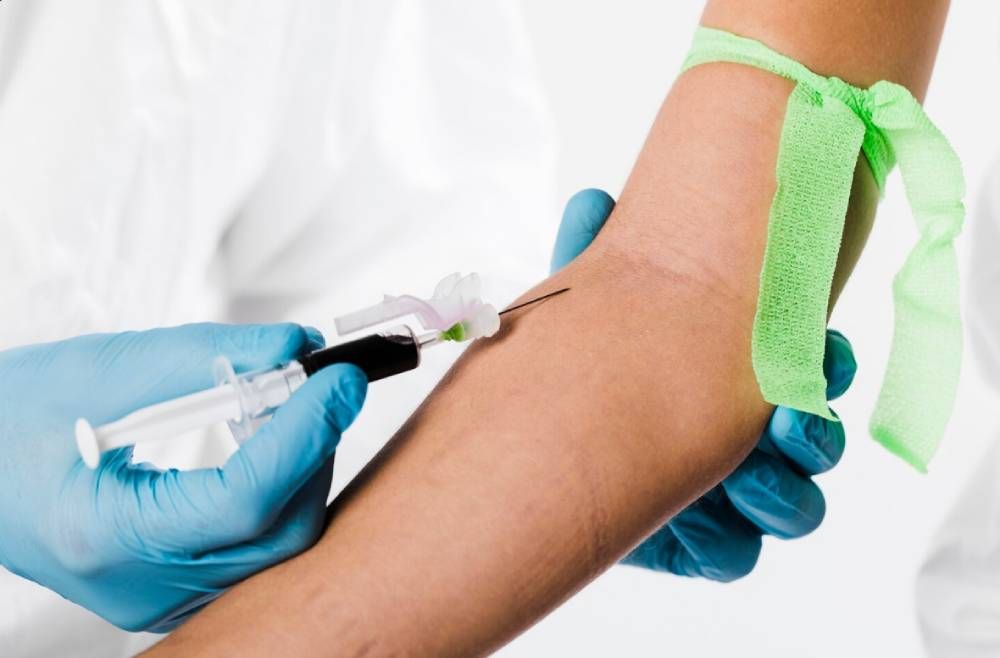
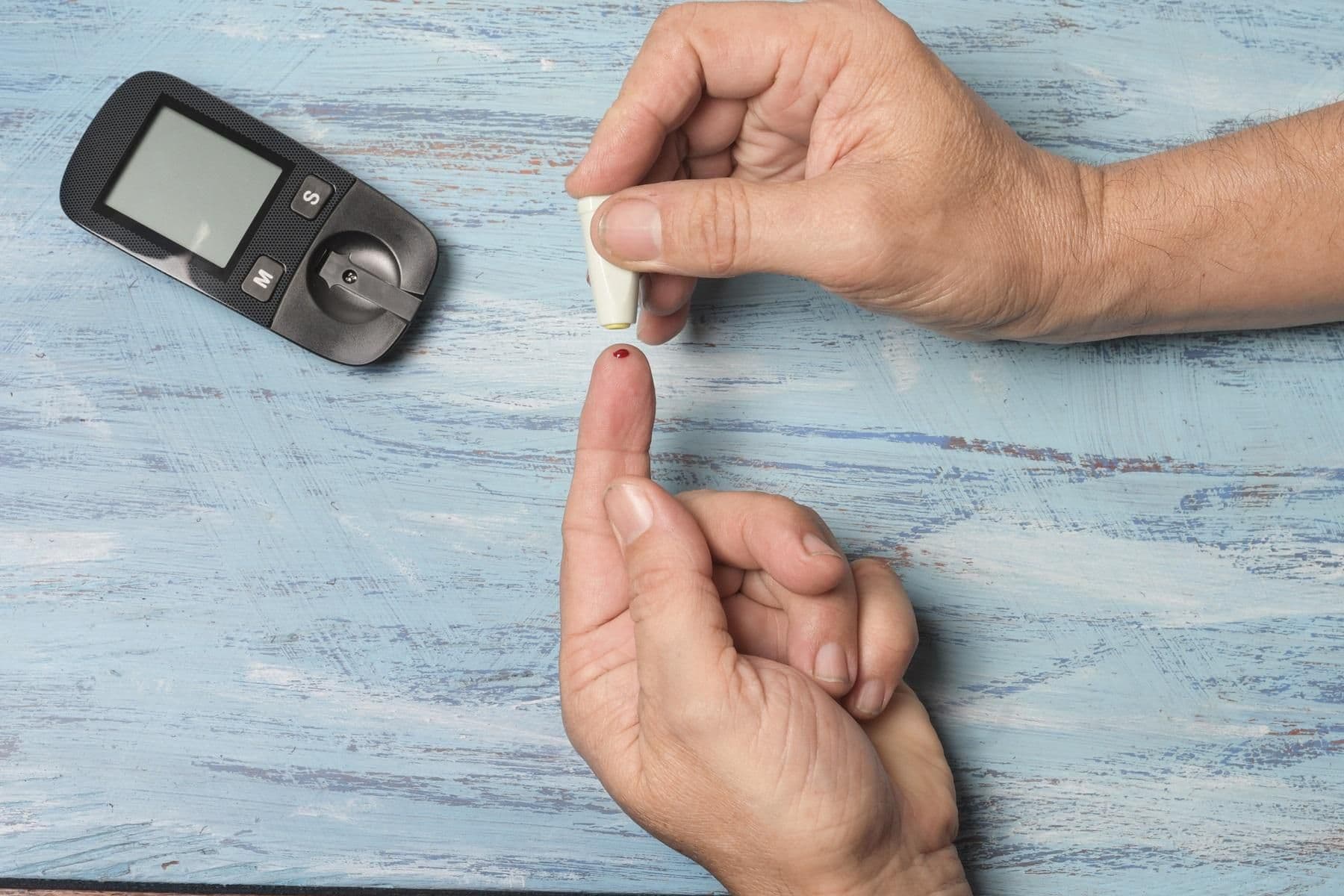
- Regular testing: Invest in a reliable glucometer or opt for periodic lab tests to measure your blood sugar levels. A combination of FBS and PPBS tests provides a comprehensive picture of your glucose control.
- Balanced diet: Focus on meals that are high in fiber, protein, and healthy fats while limiting refined carbohydrates and sugars. Portion control also plays a critical role in managing postprandial spikes.
- Physical activity: Regular exercise improves insulin sensitivity, helping your body manage blood sugar levels more effectively. Even a brisk walk after meals can reduce PPBS levels.
- Medication adherence: If prescribed, take medications such as insulin or oral hypoglycemics as directed by your doctor to stabilize blood sugar levels.
- Stress management: Stress hormones can increase blood sugar levels. Practicing mindfulness, yoga, or meditation can help keep stress in check.
Why is PPBS Testing Different from FBS Testing?
The FBS test measures blood sugar levels after fasting for at least 8 hours, assessing your baseline glucose levels. In contrast, the PPBS test measures the body's ability to handle a glucose load after eating.
These tests serve complementary roles:
- FBS: Helps detect chronic hyperglycemia or diabetes.
- PPBS: Identifies how your body responds to meals and how effectively insulin manages post-meal glucose.
The PPBS normal range is a crucial marker for assessing diabetes control and overall health. Understanding both FBS and PPBS normal levels helps prevent complications and ensures better treatment outcomes. During pregnancy, maintaining the normal PPBS level in pregnancy is vital to avoid complications for both mother and baby. Regular monitoring, a balanced diet, physical activity, and stress management are effective ways to keep your blood sugar within the target range.
By keeping your blood sugar levels in check, you can take significant strides toward a healthier, diabetes-free life.
Frequently Asked Questions
What is a PPBS (Postprandial Blood Sugar) test and when is it taken?
A PPBS test measures the concentration of glucose in your blood after eating a meal. It is almost always performed exactly 2 hours after the start of a main meal (or after consuming a standard 75g glucose drink in a clinical lab setting) to evaluate how effectively your body processes carbohydrates.
What is the normal PPBS range for adults?
For healthy individuals without diabetes, a normal 2-hour PPBS level is less than 140 mg/dL. For individuals diagnosed with diabetes, the typical target range recommended by the American Diabetes Association (ADA) is less than 180 mg/dL two hours after a meal.
How does PPBS differ from FBS (Fasting Blood Sugar)?
FBS measures your baseline blood sugar after at least 8 hours of overnight fasting. PPBS measures your peak glucose response after food consumption. While FBS reveals baseline insulin production, PPBS shows how efficiently your body produces and uses insulin to manage mealtime carbohydrate loads.
What is a normal PPBS level during pregnancy?
During pregnancy, blood sugar targets are significantly stricter to prevent gestational diabetes complications. The recommended 2-hour PPBS level for pregnant women is typically less than 120 mg/dL (or under 140 mg/dL 1 hour post-meal), while fasting levels should remain under 95 mg/dL.
Can your PPBS be high even if your FBS is normal?
Yes. It is common to experience isolated postprandial hyperglycemia, where fasting blood sugar remains normal but post-meal levels spike above 140 mg/dL. This is often an early indicator of insulin resistance or early-stage type 2 diabetes that a simple fasting test might miss.
Featured Articles
Diabetes Screening For Diagnosis And Prevention
Posted on: 25th Oct 2023

Eating To Recover: The Best Foods For Getting Back On Your Feet After Cholera
Posted on: 22nd Jan 2026

What A Complete Blood Count (CBC) Tells You About Your Health
Posted on: 22nd Jan 2026