Book a Home Collection Now!
What is Stroke: Types and Prevention Tips
October 31, 2026 - By Lupin Diagnostics
Imagine a sudden headache unlike anything you've felt before, or your arm going numb without warning. Understanding what is stroke can help you recognise these moments and act fast. A stroke happens when blood flow to the brain stops, either from a blockage or bleeding. Brain cells begin dying within minutes. This article covers the main types of stroke, warning signs, and practical prevention tips.
What Is Stroke and Why Does It Matter?
A stroke is essentially a "brain attack." When blood carrying oxygen cannot reach brain tissue, cells start to die. The longer the brain goes without oxygen, the greater the damage.
This is why doctors call it a medical emergency. The most effective treatments work only when a stroke is recognised within 3 hours of the first symptoms. Every minute counts — quick action can mean the difference between recovery and lasting disability.
Two things can interrupt blood flow: a clot blocking an artery, or a blood vessel bursting. Each leads to a different type of stroke, and knowing the difference helps you understand the urgency.
What Are the Primary Types of Stroke?
Types of stroke fall into three main categories. Each has a distinct cause and level of severity.
Ischaemic Stroke
This is the most common form. Roughly 87% of all strokes are ischaemic. A blood clot blocks an artery supplying the brain, cutting off oxygen to the brain.
Common triggers include:
- Build-up of fatty deposits in arteries
- Blood clots travelling from the heart.
- Irregular heart rhythms like atrial fibrillation
Haemorrhagic Stroke
Here, a blood vessel in the brain ruptures, causing bleeding. Though less common, it is often more severe.
Key triggers include:
- Uncontrolled high blood pressure
- Aneurysms (weakened, bulging blood vessels)
- Arteriovenous malformations (abnormal vessel tangles)
Transient Ischaemic Attack (TIA)
Often called a "mini-stroke," a TIA produces stroke-like symptoms that last only a few minutes. It does not cause permanent damage, but treat it as a serious warning. About one-third of people who experience a TIA may eventually have a full stroke. Please consult a doctor immediately after any TIA episode.
Key Differences at a Glance
| Type | Cause | Severity | Common Triggers |
|---|---|---|---|
| Ischaemic | Blood clot blocks artery | Moderate to severe | Fatty deposits, atrial fibrillation |
| Haemorrhagic | Blood vessel ruptures | Often severe | High BP, aneurysms |
| TIA | Temporary clot | Mild, short-lived | Same as ischaemic; a warning sign |
How Can You Recognise a Stroke Using BE FAST?
Spotting a stroke early saves lives. The BE FAST rule is a simple way to remember the warning signs:
- B – Balance: Sudden dizziness or trouble walking
- E – Eyes: Sudden blurred or lost vision
- F – Face: One side of the face droops
- A – Arms: Sudden weakness or numbness in one arm
- S – Speech: Slurred or confused speech
- T – Time: Call emergency services right away
If you notice even one of these signs, rush to the nearest hospital. Treatments like clot-dissolving therapy must begin within hours. Do not wait to see if symptoms pass on their own.
Also Read: Blood Clotting Disorders: Types, Symptoms & Treatment
What Are the Best Stroke Prevention Tips?
Most strokes are preventable. The majority of stroke risk comes from 10 modifiable factors, things you can actually change.
Controlling High Blood Pressure and Cholesterol
High blood pressure is the single biggest controllable risk factor. People with hypertension face nearly three times the stroke risk compared to those without it. Regular monitoring and working with your doctor to manage BP can make a huge difference. Speak with your healthcare provider about the right approach for you.
Managing Diabetes and Heart Conditions
Elevated blood sugar damages blood vessels over time. Conditions like atrial fibrillation also raise risk significantly. Routine health check-ups help catch these early.
Quitting Smoking and Limiting Alcohol
Tobacco use is linked to roughly two-fifths of all stroke deaths among people under 65. Quitting smoking is one of the most powerful stroke prevention steps you can take.
How to Prevent Stroke at Home With Daily Habits
Small, consistent changes at home add up. Here are practical steps for how to prevent stroke at home:
- Reduce sodium intake — choose fresh vegetables, dal, and home-cooked meals over packaged or processed foods
- Stay physically active — even 30 minutes of brisk walking, yoga, or cycling daily helps
- Eat more fruits and vegetables — seasonal Indian options like palak, lauki, bananas, and amla support heart and brain health
- Stay hydrated — drink enough water through the day, especially in hot weather
- Manage stress — practices like pranayama, meditation, or simply spending time outdoors can help
Lifestyle changes combined with effective BP management can significantly lower your overall stroke risk.
Also Read: Symptoms Of High Lipoprotein: Warning Signs & Heart Risks
When Should You Seek Emergency Help?
A stroke is always an emergency. If someone shows any BE FAST signs, call for help or get to a hospital immediately. In ischaemic stroke, clot-dissolving treatment must begin as soon as possible, ideally within hours.
Never dismiss sudden numbness, confusion, or a severe headache as "just stress." Quick action protects the brain from lasting damage. Call emergency services or visit the nearest hospital without delay.
Conclusion
Stroke prevention starts with awareness and small daily choices. Knowing the types of stroke, recognising BE FAST warning signs, and managing risk factors like blood pressure and smoking can genuinely protect you and your family. The most important takeaway? Time is everything; acting fast during a stroke saves brain cells and lives.
Wondering about your blood pressure, blood sugar, or cholesterol levels? Lupin Diagnostics offers comprehensive health check-ups—including a blood pressure measurement, fasting blood glucose test, coagulation profile (PT/INR) test, Complete Blood Count (CBC) test and lipid panel test—at NABL-accredited labs across India. Book one today for peace of mind.
Frequently Asked Questions
Can a full stroke be prevented after a TIA?
A TIA is a serious warning. About one-third of people with a TIA may eventually have a stroke. However, timely medical treatment and lifestyle changes can significantly lower that risk. Always consult a doctor after a TIA.
What food naturally prevents stroke?
Research shows that increasing your intake of vegetables and fruit helps reduce stroke risk. Indian options like palak, seasonal fruits, and fibre-rich dal are good everyday choices.
Is stroke hereditary in families?
Genetic factors may play a role in conditions like high blood pressure, which raises stroke risk. A family history does not guarantee a stroke, but it means extra vigilance with regular check-ups.
How do doctors officially diagnose a stroke?
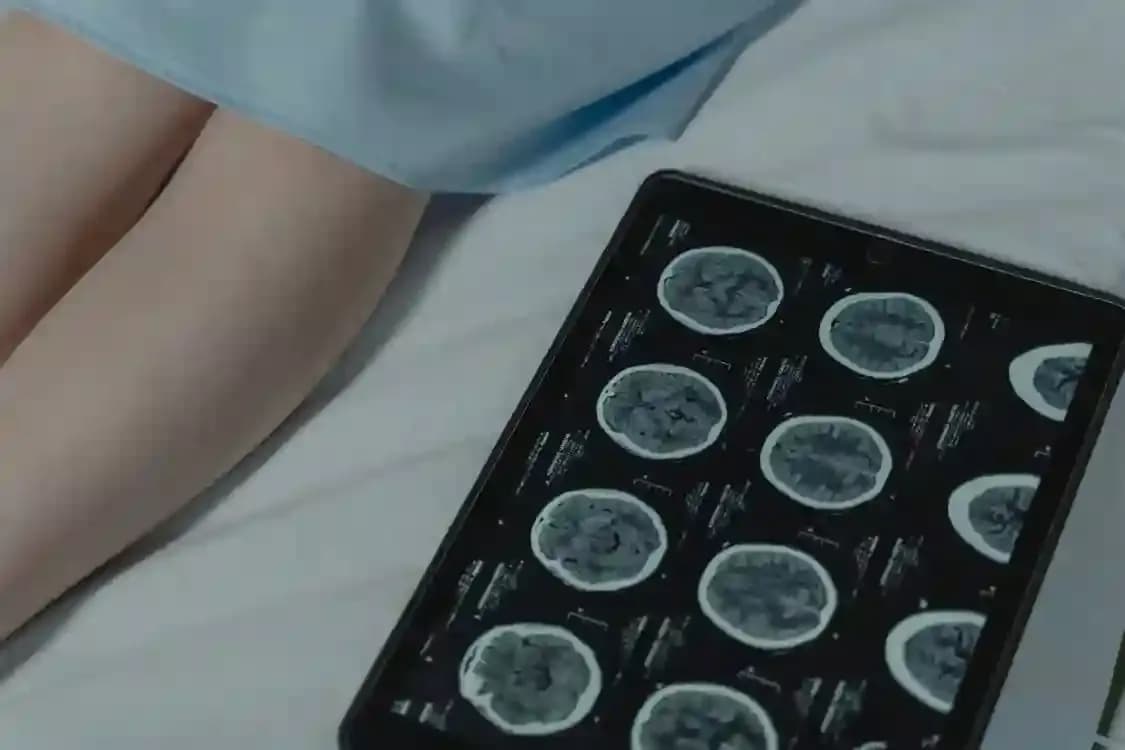
Doctors rely on neuroimaging techniques such as CT scans and MRI. These help identify whether the stroke is caused by a clot or bleeding, guiding treatment decisions.
Can severe stress trigger a stroke?
Yes, stress and depression are recognised risk factors for stroke, alongside smoking, physical inactivity, and unhealthy diet. Managing stress through daily relaxation practices is helpful.
What age group is at highest risk for stroke?
Stroke risk doubles every 10 years after age 55. Roughly three-quarters of all strokes occur in people aged 65 and above, though younger adults are not immune.
This article is for informational and educational purposes only. It is not a substitute for professional medical advice, diagnosis, or treatment. If you have concerns about stroke or any health condition, please consult a qualified healthcare provider.
Featured Articles

Dehydrated How To Make A Lifesaving Diy Rehydration Drink For Cholera Recovery
Posted on: 22nd Jan 2026
Diabetes Screening For Diagnosis And Prevention
Posted on: 25th Oct 2023
Eating To Recover: The Best Foods For Getting Back On Your Feet After Cholera
Posted on: 22nd Jan 2026