Book a Home Collection Now!
What Is Pneumonia? Symptoms, Causes, and Treatments
August 8, 20256 - By Lupin Diagnostics
A cough that lingers, a fever that climbs – understanding what pneumonia is early can make all the difference. This lung infection inflames the tiny air sacs deep inside your chest. It ranges from mild to life-threatening. Globally, 2.5 million people died from pneumonia in 2023 alone. Here is what you need to know about its symptoms, causes, and treatments.
How Does Pneumonia Affect Your Lungs?
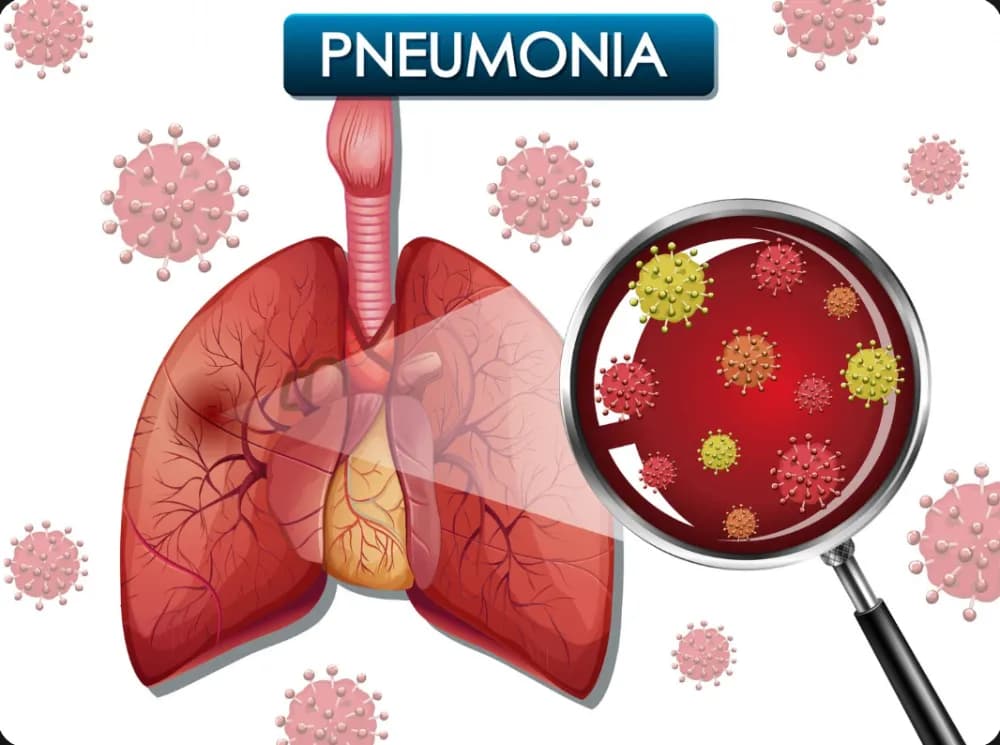
Your lungs contain millions of tiny air sacs called alveoli. With each breath, these sacs fill with air and pass oxygen into your blood. During pneumonia, the alveoli become inflamed and fill with pus or fluid instead. This makes breathing painful and limits how much oxygen reaches your body.
Think of it like a sponge soaked in dirty water. The sponge can no longer absorb what it should. One or both lungs may be affected, depending on the severity of the infection.
Identifying Key Pneumonia Symptoms
Pneumonia symptoms can appear suddenly or build over several days. Some people experience a mild form often called "walking pneumonia". Others develop severe, life-threatening illness. Age and overall health play a big role.
Common Warning Signs
Watch for these signs that suggest a lung infection:
- A productive cough bringing up green, yellow, or rust-coloured mucus
- High fever with shaking chills
- Shortness of breath, even during rest
- Chest pain that worsens when breathing or coughing
- Severe fatigue and a general feeling of being unwell
Age-Specific Symptoms
Older adults may not develop a high fever at all. Instead, they might show sudden confusion, rapid breathing, or low blood pressure. Infants and young children may show vomiting, low energy, or difficulty feeding. If you notice these signs in an elderly family member or young child, consult a doctor promptly.
When Should You See a Doctor Immediately?
Some situations call for urgent medical attention. Seek emergency help if you or someone around you experiences:
- Difficulty breathing or rapid, shallow breaths
- A bluish tint on the lips, fingertips, or skin
- Sudden confusion or disorientation
- A fever above 102°F (38.9°C) that does not respond to fever reducers
- Persistent chest pain while breathing
These are warning signs that require immediate medical evaluation. Do not delay consulting a healthcare professional.
What Are the Causes of Pneumonia?
The causes of pneumonia fall into three main categories. Bacteria, viruses, and fungi can all trigger the infection. Each type spreads differently and requires a different treatment approach. The table below breaks them down:
| Type | Common Pathogens | How It Spreads |
|---|---|---|
| Bacterial | Streptococcus pneumoniae (most common) | Respiratory droplets, direct contact |
| Viral | Influenza, COVID-19, RSV | Airborne droplets, contaminated surfaces |
| Fungal | Found in soil or bird droppings | Inhaling fungal spores from the environment |
Bacteria are the most common cause of pneumonia in adults. Viruses cause pneumonia more frequently in young children. Fungal pneumonia is rarer and typically affects people with weakened immunity.
Who Is Most Vulnerable?
Certain groups face a higher risk of developing this infection:
- Adults aged 65 and older, with risk increasing further with age
- Children younger than 5 years
- People with weakened immune systems or chronic illnesses
- Hospitalised patients, especially those on ventilators
- Cigarette smokers, whose airways struggle to clear mucus effectively
How Is Pneumonia Diagnosed?
Doctors typically follow a step-by-step process to confirm pneumonia:
- Physical examination — checking temperature and listening to the lungs with a stethoscope for crackling sounds
- Chest X-ray — the most common tool, looking for inflammation in the lungs
- Pulse oximetry — a small sensor on your finger measures blood oxygen levels
- Sputum test — analysing a mucus sample to identify the specific germ
Your doctor will decide which tests you need based on your symptoms and medical history.
Clinical Treatments for Pneumonia
Treatments for pneumonia depend entirely on whether bacteria, a virus, or a fungus caused the infection.
Antibiotics
For bacterial pneumonia, antibiotics should begin as soon as possible. They are not effective against viral infections. Always complete the full course your doctor prescribes.
Antivirals and Antifungals
Viral pneumonia may need antiviral medicines. Fungal infections require antifungal medication. Your doctor will choose based on test results.
Supportive Home Care
Mild cases can often be managed at home with rest, plenty of fluids, and over-the-counter fever reducers. Warm soups and staying well-hydrated help your body recover faster.
Hospitalisation
Severe cases may require hospital admission. Intravenous fluids and supplemental oxygen help when the lungs cannot deliver enough oxygen on their own.
Protecting Yourself From Pneumonia
Pneumonia is common, but catching symptoms early prevents serious complications. Vaccination remains the most effective shield. Pneumococcal, influenza, and measles vaccines all reduce your risk significantly. Regular handwashing and avoiding tobacco further strengthen your defences.
If you or a family member experiences persistent respiratory symptoms, getting tested early matters. Lupin Diagnostics offers a range of diagnostic tests at NABL-accredited labs across India to help you and your doctor act quickly.
Frequently Asked Questions
Is pneumonia contagious, and how does it spread from person to person?
Yes, the germs that cause pneumonia generally spread through direct contact with an infected person. Respiratory droplets from coughing or sneezing are the most common route.
What is the difference between bronchitis and pneumonia?
Bronchitis affects the bronchial tubes that carry air to the lungs. Pneumonia affects the alveoli (air sacs) themselves, typically causing more severe symptoms and deeper lung inflammation.
Can you catch pneumonia more than once?
Yes, you can develop pneumonia more than once. Having it before does not make you immune to future infections.
What exactly is "walking pneumonia", and how severe is it?
Walking pneumonia is a milder form of bacterial pneumonia. People with it may feel unwell but can often carry on with daily activities, appearing better than expected for a lung infection.
How long does it typically take to fully recover from bacterial pneumonia?
Most people recover within 2 to 4 weeks. However, recovery time varies based on age, overall health, and the severity of the infection.
Are there lifestyle changes or vaccines that can help prevent pneumonia?
Vaccination against pneumococcus, influenza, and measles is the most effective prevention. Washing hands frequently, reducing indoor air pollution, and quitting smoking also lower your risk.
This article is for informational and educational purposes only. It does not replace professional medical advice, diagnosis, or treatment. Please consult a qualified healthcare provider for any concerns about your health or before making changes to your care plan.
Featured Articles

Dehydrated How To Make A Lifesaving Diy Rehydration Drink For Cholera Recovery
Posted on: 22nd Jan 2026
Diabetes Screening For Diagnosis And Prevention
Posted on: 25th Oct 2023

Eating To Recover: The Best Foods For Getting Back On Your Feet After Cholera
Posted on: 22nd Jan 2026