Book a Home Collection Now!
Vitamin E Deficiency: Causes, Symptoms, and Diagnosis
October 22, 2026 - By Lupin Diagnostics
Here is the complete, exact HTML code formatted for the CK content editor (Source view): ```html
Every cell in your body relies on vitamin E deficiency protection to stay healthy. This fat-soluble nutrient works as an antioxidant, shielding cells from daily damage. True deficiency is rare in healthy adults. Yet when it does occur, it can quietly harm your nerves, muscles, and immune system. Here is what you need to know about its causes, symptoms, and diagnosis.
What Is Vitamin E Deficiency?
Your body uses a specific form of vitamin E called alpha-tocopherol. This compound guards cell membranes and the protective coating around nerves. When levels drop too low, these structures become vulnerable to damage.
What is vitamin E deficiency, then? It means your blood has insufficient alpha-tocopherol to protect cells. The result is gradual injury to nerves, eyes, and immunity.
Your daily requirement depends on your age. Here is a quick reference:
| Age Group | Recommended Daily Allowance |
|---|---|
| 0–6 months | 4 mg |
| 7–12 months | 5 mg |
| 1–3 years | 6 mg |
| 4–8 years | 7 mg |
| 9–13 years | 11 mg |
| 14+ years | 15 mg |
What Are the Main Vitamin E Deficiency Causes?
Most people get enough vitamin E through food. The real trouble starts when the body cannot absorb fat properly. Since vitamin E dissolves in fat, poor fat absorption means poor vitamin E uptake.
Key vitamin E deficiency causes include:
- Fat malabsorption disorders such as coeliac disease, Crohn's disease, cystic fibrosis, and chronic pancreatitis
- Rare genetic conditions like abetalipoproteinaemia or mutations in the tocopherol transfer protein
- Extremely low-fat diets that limit the fat needed for absorption
- Premature birth, especially in low birth weight infants
If you follow a very restricted diet, speak with a dietitian to ensure adequate fat intake.
Also Read: How Vitamin And Mineral Testing Can Benefit Your Health
How Do You Recognise Vitamin E Deficiency Symptoms?
Vitamin E deficiency symptoms develop slowly and affect multiple body systems. Because nerve tissue is especially vulnerable, neurological signs often appear first.
Here is a system-wise breakdown:
| Body System | Common Symptoms |
|---|---|
| Neurological/Motor | Muscle weakness, poor coordination (ataxia), numbness or tingling in limbs (peripheral neuropathy) |
| Ocular | Retinal changes, gradual vision problems |
| Systemic | Weakened immunity, haemolytic anaemia |
Watch for these early warning signs:
- Difficulty walking or frequent stumbling
- Loss of feeling in hands or feet
- Unusual muscle weakness that worsens over time
- Frequent infections due to lowered immunity
Children with genetic forms may start showing movement problems between ages 5 and 15. Without treatment, these tend to worsen.
How Is Vitamin E Deficiency Diagnosed?
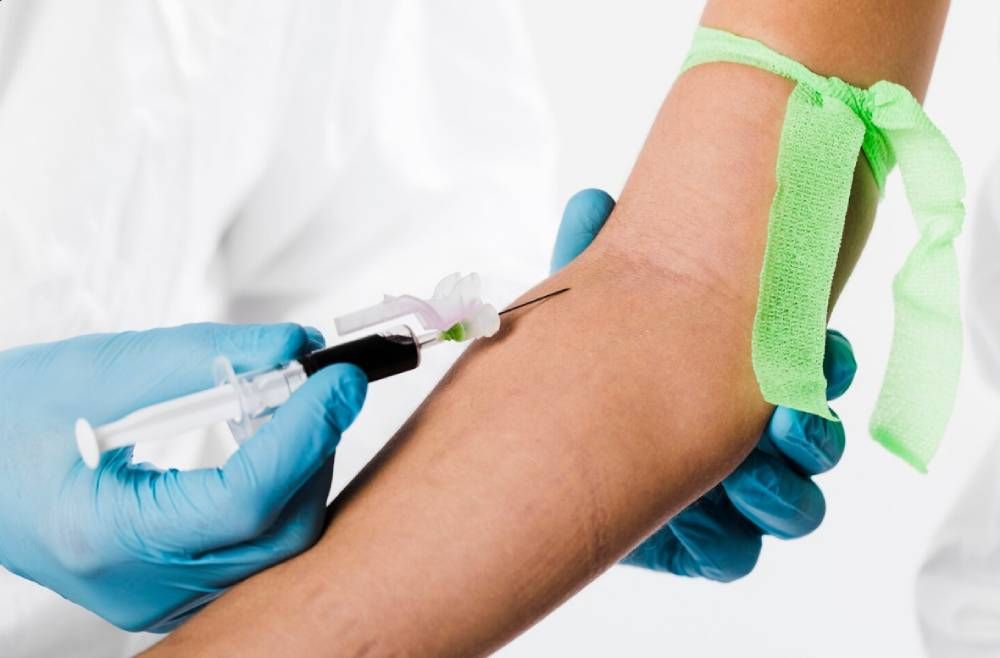
Vitamin E deficiency diagnosis begins with a simple blood test. Your doctor measures serum alpha-tocopherol levels. A reading below 0.5 mg/dL (5 mg/L) confirms deficiency.
Doctors may also use these tools:
- Lipid-adjusted vitamin E ratio for a more accurate picture in people with abnormal cholesterol
- Stool fat tests to check whether fat malabsorption is the root cause
- Neurological examination checking reflexes, balance, and sensation in the limbs
Your doctor might look for specific clinical signs. These include loss of reflexes, unsteady gait, and difficulty sensing limb position.
Also Read: Cystic Fibrosis Diet: High-Calorie & Protein Nutrition
How Is Vitamin E Deficiency Treated and Managed?
Managing vitamin E deficiency involves two steps, supplementation and treating the root cause. Here is how doctors typically approach it:
- Water-soluble supplements: People with conditions like Crohn's disease or cystic fibrosis often cannot absorb regular vitamin E. Doctors may prescribe water-miscible forms such as tocopheryl polyethylene glycol-1000 succinate.
- Addressing the underlying condition: Treating the gut disorder that blocks absorption is just as important as the supplement itself.
- Dietary sources: Including vitamin-E-rich foods in daily meals supports long-term levels.
Dosage varies based on your condition. Always consult your doctor before starting any supplementation.
Key dietary sources of vitamin E include:
| Food Source | How to Use It |
|---|---|
| Sunflower seeds and almonds | Add to your morning poha or snack on a handful |
| Vegetable oils (sunflower, safflower) | Use for everyday cooking and tempering |
| Green leafy vegetables (spinach, methi) | Toss into dal, sabzi, or parathas |
| Fortified cereals | A convenient breakfast option |
What are the Potential Risks and Complications of Prolonged Deficiency?
Leaving vitamin E deficiency untreated can lead to lasting harm. The damage tends to worsen gradually over time. Key risks include:
- Irreversible nerve damage: The spinocerebellar tracts and peripheral nerves may degenerate, causing permanent coordination problems and numbness.
- Permanent vision loss: Retinal cells are oxygen-rich and especially vulnerable to oxidative damage without vitamin E.
- Progressive muscle wasting: Skeletal myopathy can become severe enough to limit daily activities.
- Increased infection risk: A weakened immune system leaves the body more open to systemic infections.
Early detection through a blood test remains the most effective way to prevent these outcomes.
If you have a known malabsorption condition, periodic monitoring of your vitamin E levels is worth discussing with your healthcare provider.
Stay Ahead With Early Detection
Vitamin E deficiency is uncommon but carries serious consequences for your nerves and vision when missed. Early blood testing and managing any underlying absorption problem can prevent lasting damage. A diet rich in nuts, seeds, and vegetable oils goes a long way in maintaining healthy levels.
If you would like to check your vitamin E levels or overall nutritional health, Lupin Diagnostics offers comprehensive blood tests at NABL-accredited labs across India, with home collection available for your convenience.
Frequently Asked Questions
What blood test shows vitamin E deficiency?
Vitamin E deficiency is primarily measured using a Serum Alpha-Tocopherol Test (or Serum Vitamin E Test). Because vitamin E travels attached to fats in the blood, doctors frequently order a Lipid Panel at the same time to calculate a Vitamin E-to-Lipid Ratio for an accurate diagnosis.
What is the main cause of low vitamin E?
Low dietary intake alone rarely causes deficiency. Fat malabsorption from conditions like coeliac disease, Crohn's disease, or cystic fibrosis is the most common underlying reason.
How do doctors test for vitamin E deficiency?
Doctors measure serum alpha-tocopherol through a blood test. Levels below 5 mg/L indicate deficiency, and a lipid-adjusted ratio may be used for people with high cholesterol.
What neurological signs indicate low vitamin E?
Peripheral neuropathy, ataxia (loss of coordination), muscle weakness, and impaired proprioception are the primary neurological signs.
Can low-fat diets cause vitamin E deficiency?
Yes. Vitamin E absorption depends on dietary fat, so extremely low-fat diets can impair the body's ability to absorb this nutrient adequately.
How long does it take to fix vitamin E deficiency?
Recovery timelines depend on severity and the underlying cause. Early supplementation can reverse some symptoms, but long-standing nerve damage may persist.
What food has the highest amount of vitamin E?
Vegetable oils such as wheat germ oil, sunflower oil, and safflower oil rank among the richest sources. Almonds, hazelnuts, groundnuts, and sunflower seeds are also excellent options.
This article is for informational purposes only and does not constitute medical advice, diagnosis, or treatment. Please consult a qualified healthcare professional for any health concerns or before making changes to your diet or medications.
Featured Articles

Dehydrated How To Make A Lifesaving Diy Rehydration Drink For Cholera Recovery
Posted on: 22nd Jan 2026
Diabetes Screening For Diagnosis And Prevention
Posted on: 25th Oct 2023

Eating To Recover: The Best Foods For Getting Back On Your Feet After Cholera
Posted on: 22nd Jan 2026