Book a Home Collection Now!
Typhoid Fever Diet Chart: Essential Foods for Quick Recovery
June 11, 2026 - By Lupin Diagnostics
Recovering from typhoid can leave you feeling drained for weeks. A well-planned typhoid fever diet chart helps your gut heal while restoring the energy your body desperately needs. This guide walks you through the right foods, the wrong ones, and a practical meal plan to support your recovery day by day.
Why Is a Special Diet Crucial for Typhoid Recovery?
Salmonella typhi, the bacterium behind typhoid, inflames and damages the intestinal walls. This inflammation can lead to serious complications like intestinal bleeding or perforation. Globally, typhoid causes an estimated 9 million cases and 110,000 deaths each year.
The right diet does two things at once. It avoids putting stress on fragile intestinal tissue. And it supplies gentle, steady energy when the body needs it most. Rushing back to heavy meals can trigger setbacks. Your doctor or nutritionist can guide you on the best dietary plan for your specific condition.
What Are the 3 Healing Phases of a Typhoid Diet?
Recovery happens in stages. Rushing back to normal meals risks setbacks. Bleeding or perforation typically occurs after 2–3 weeks of illness, so patience matters. Here are the three healing phases of a typhoid diet:
Phase 1: Clear Liquids (Acute Fever Stage)
When fever peaks, appetite drops sharply. The priority here is hydration, not heavy eating. High fever, diarrhoea, and sweating all drain fluids fast.
Focus on these options during the acute stage:
- ORS (oral rehydration solution) to replace lost salts
- Tender coconut water for natural electrolytes
- Clear vegetable broth or thin dal ka paani
- Rice water (kanji) served warm
- Boiled and cooled water, sipped frequently
Phase 2: Semi-Solids and Soft Foods (Fever Subsides)
Once the fever eases, the gut can handle a little more. Introduce soft foods for typhoid that are bland, smooth, and low in fibre. These give your body fuel without straining healing tissue.
- Well-cooked daliya (broken wheat porridge)
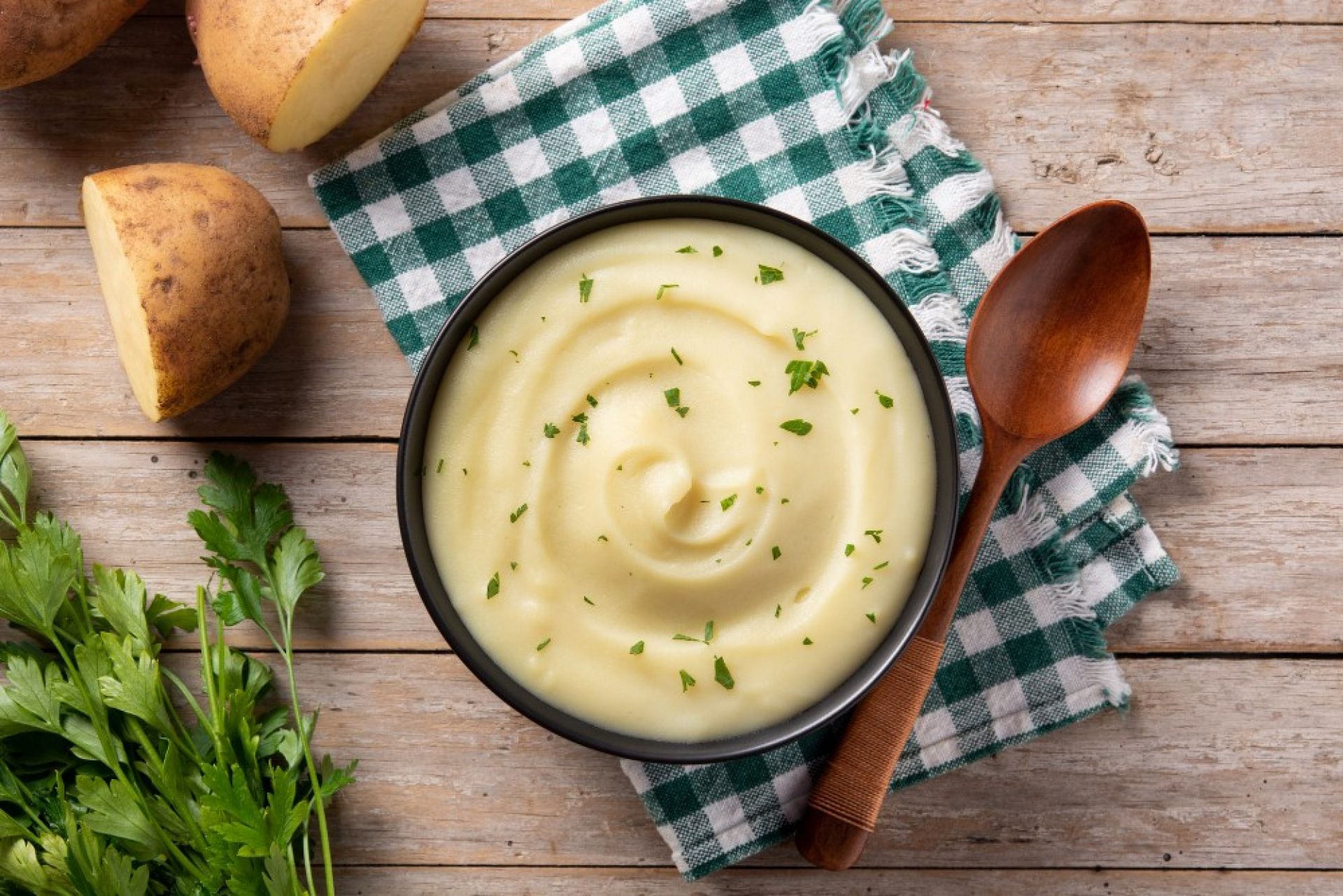
- Mashed potatoes with a pinch of salt
- Plain white rice with thin moong dal
- Stewed apple or ripe banana
- Soft idli without chutney or sambar
Phase 3: Convalescence (Regaining Strength)
This is the rebuilding stage. About 10% of patients experience relapse one to three weeks after recovery. So, patience is key here.
- Boiled eggs or lightly cooked paneer for protein
- Khichdi with a small spoon of ghee
- Curd (dahi) for restoring healthy gut bacteria
- Soft chapati made from refined flour (maida), not whole wheat yet
- Vegetable soup with well-cooked carrots or lauki
Dietary timelines vary by individual. Speak with your doctor before advancing phases.
Which Essential Foods for Quick Fever Recovery Should You Include?
Caretakers often wonder what to cook. Here are the top typhoid fever recovery foods, grouped for easy meal planning:
1. Hydrating Fluids
Fluids flush out toxins and prevent dehydration caused by fever, sweating, or diarrhoea. Good options include ORS, coconut water, thin moong dal water, and clear soups. Always ensure water is boiled for at least one minute before use.
2. Easy Carbohydrates
Mashed potatoes, white rice, and porridge provide quick energy. These high-calorie bland meals are gentle on inflamed intestines. Serve them warm and soft.
3. Light Proteins and Probiotics
Moong dal, curd, and boiled eggs support tissue repair. Curd also helps rebuild gut microflora disrupted by infection and antibiotics. Eat all foods only when well-cooked and still hot.
Which Foods to Avoid in Typhoid and Why?
Certain foods can worsen inflammation or reintroduce bacteria. Here is a quick reference for foods to avoid in typhoid:
| Foods to Avoid | Why It Worsens Typhoid |
|---|---|
| Raw salads and unpeeled fruits | May carry Salmonella even after washing |
| Whole wheat roti, brown rice | High fibre strains the inflamed gut lining |
| Fried snacks (samosa, pakora) | Heavy fats burden weakened digestion |
| Spicy curries and pickles | Irritate damaged intestinal walls |
| Cabbage, broccoli, rajma | Produce gas and cause painful bloating |
| Street food and unboiled water | High contamination risk for waterborne bacteria |
A Sample 7-Day Typhoid Meal Plan
This 7-day typhoid meal plan moves from liquids to light solids. Adjust portions based on the patient's tolerance.
| Day | Breakfast | Mid-Morning | Lunch | Evening | Dinner |
|---|---|---|---|---|---|
| 1 | Warm kanji | ORS | Clear dal paani | Coconut water | Thin vegetable broth |
| 2 | Rice water | Stewed apple | Kanji with salt | ORS | Clear moong dal water |
| 3 | Daliya porridge | Ripe banana | Plain rice + thin dal | Coconut water | Mashed potato soup |
| 4 | Soft idli (1 piece) | Curd (2 spoons) | Khichdi (no spice) | Stewed apple | Rice + thin dal |
| 5 | Daliya with milk | Banana | Khichdi + lauki | Curd | Mashed rice + dal |
| 6 | Idli + thin dal | Boiled egg white | Rice + moong dal + carrot | Banana | Soft chapati + dal |
| 7 | Upma (semolina, mild) | Curd + banana | Khichdi + paneer | Coconut water | Chapati + lauki sabzi |
This is a general guide. Your physician or nutritionist should tailor meals to your specific recovery stage.
What Kitchen Hygiene Rules Matter During Typhoid?
Since typhoid spreads through contaminated food and water, kitchen hygiene is non-negotiable. Follow these rules throughout recovery:
- Drink only boiled or factory-sealed bottled water
- Eat food that is freshly cooked, hot, and steaming
- Wash hands thoroughly with soap before cooking and eating
- Peel all fruits before serving them to the patient
- Avoid food from street vendors unless it is piping hot
- Keep the patient's utensils separate and sanitised
Conclusion
While antibiotics fight the infection, your kitchen handles the rebuilding. A carefully followed typhoid fever diet chart protects fragile intestinal tissue and brings back lost strength, one gentle meal at a time. The key is patience: move through each phase slowly and follow your doctor's guidance.
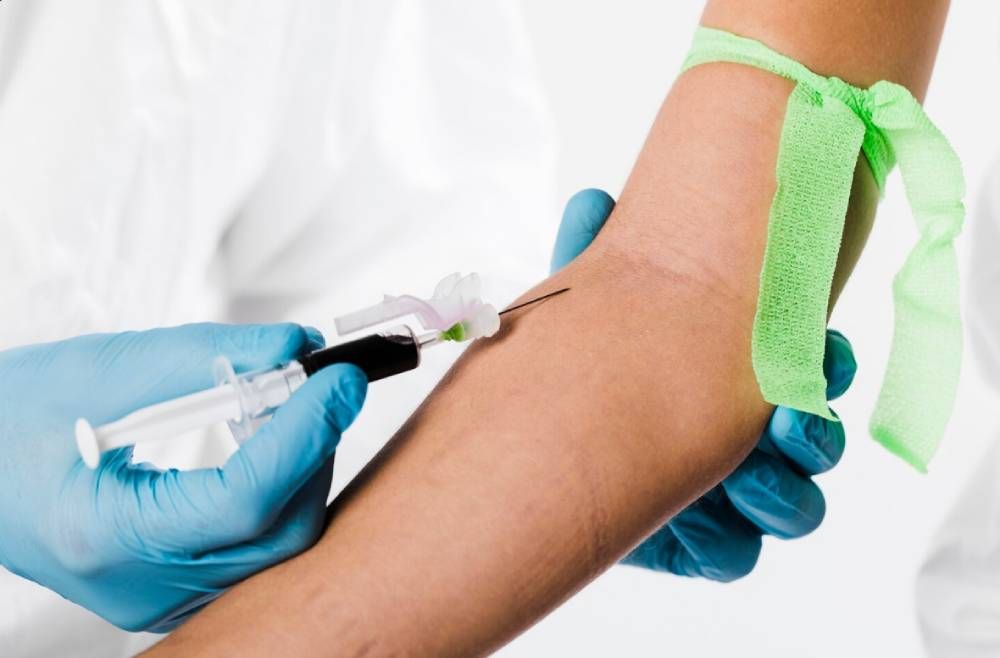
If you want to track your recovery or check for lingering infection, Lupin Diagnostics offers a range of blood tests, including Widal and Typhidot, at NABL-accredited labs and through convenient home collection services across India.
Frequently Asked Questions
Can I drink milk or consume dairy items while recovering from typhoid fever?
Pasteurised milk from a factory-sealed packet is generally acceptable once you can tolerate it. Avoid unpasteurised or loose dairy, as it may carry harmful bacteria.
Why are raw vegetable salads and whole wheat rotis banned during early typhoid recovery?
Raw vegetables can remain contaminated even after washing. Whole wheat and high-fibre foods put extra strain on already inflamed intestinal walls.
How long must a patient follow a typhoid diet chart after the fever completely disappears?
A bland diet should continue for at least 2–3 weeks after the fever resolves. Around 10% of patients relapse within 1–3 weeks, so gradual progression is safer.
Is it safe to use clarified butter (ghee) or regular oils in a typhoid patient's food?
Small amounts of easily digestible fats like ghee are acceptable. Avoid deep-fried or heavily oily preparations that can burden digestion.
Can a person eat citrus fruits like oranges and lemons during typhoid infection?
Citrus fruits may irritate the gut during acute illness. Stick to non-acidic, soft options like ripe bananas or stewed apples instead.
What are the warning signs that a specific food is irritating the typhoid patient's digestive tract?
Worsening abdominal pain, bloody stools, or vomiting after eating are red flags. Seek medical care without delay if any of these appear.
This article is for informational purposes only and does not replace professional medical advice, diagnosis, or treatment. Typhoid fever requires antibiotic therapy prescribed by a qualified healthcare provider. Please consult your doctor or a clinical nutritionist for guidance tailored to your specific condition.
Featured Articles
Dehydrated How To Make A Lifesaving Diy Rehydration Drink For Cholera Recovery
Posted on: 22nd Jan 2026

Diabetes Screening For Diagnosis And Prevention
Posted on: 25th Oct 2023
Eating To Recover: The Best Foods For Getting Back On Your Feet After Cholera
Posted on: 22nd Jan 2026