Book a Home Collection Now!
Thyroid Function Test: Purpose, Procedure, and Normal Range
June 5, 2026 - By Lupin Diagnostics
Ever noticed unexplained fatigue or sudden weight changes? A thyroid function test can help uncover whether that small, butterfly-shaped gland in your neck is behind it. This gland controls your metabolism, energy, and body temperature. In this article, you'll learn why doctors order this test, how the procedure works, and what your results actually mean.
Why Do Doctors Order a Thyroid Function Test?
The thyroid function test purpose goes beyond a simple check-up. Doctors recommend it for two main reasons.
Investigating Unexplained Symptoms
Your doctor may suggest this test if you experience symptoms such as:
- Unexplained weight gain or weight loss
- Persistent fatigue or low energy
- Hair loss or unusually dry skin
- Feeling too cold or too warm without reason
- Difficulty concentrating or constipation
These signs can point to an underactive or overactive thyroid.
Routine Monitoring and Screenings
For anyone already managing a thyroid condition, regular testing helps track whether medicines are working well. It also helps doctors adjust dosages over time. Any changes to medication should only be made under your doctor's guidance.
How Does the Thyroid Feedback Loop Work?
Think of your brain as the manager and your thyroid as the worker. The hypothalamus sends a signal (TRH) to the pituitary gland. The pituitary then releases thyroid stimulating hormone (TSH), which tells the thyroid to produce hormones. About 85% of what the thyroid releases is T4, while 15% is T3.
The relationship between TSH and thyroid hormones is incredibly sensitive. Even a twofold change in Free T4 can trigger a 100-fold shift in TSH. Each person also has their own stable "set point" for T3 and T4. A slight shift within the normal range can still push TSH into abnormal territory.
What Is the Thyroid Function Test Normal Range?
Reference ranges can vary slightly between laboratories. The table below shows widely accepted thyroid function test normal range values for healthy adults:
| Marker | Normal Range |
|---|---|
| TSH | 0.5 to 5.0 mIU/L |
| Free T4 | 0.7 to 1.9 ng/dL |
| Total T4 | 5.0 to 12.0 μg/dL |
| Total T3 | 80-220 ng/dL |
Always compare your results against your specific lab's printed reference range. These values are general guidelines and should not be used for self-diagnosis.
Decoding Results: Hypothyroidism vs. Hyperthyroidism
Your doctor reads these markers together, not in isolation. Here is how different patterns point to different conditions:
High TSH With Low Free T4
This pattern suggests an underactive thyroid, known as hypothyroidism. Your brain keeps sending stronger signals because the thyroid is not producing enough hormones.
Low TSH With High Free T4 or T3
This points to an overactive thyroid, or hyperthyroidism. The thyroid is overproducing, so the brain dials back its signal.
Subclinical Thyroid Issues
Sometimes TSH is slightly off, but T3 and T4 look normal. Population reference ranges are relatively wide, so changes big enough to cause symptoms may not show clearly abnormal hormone levels. A TSH level of 4.5–9.9 mIU/L with normal free T4 is called grade 1 subclinical hypothyroidism, while a level of 10 mIU/L or higher is called grade 2 subclinical hypothyroidism.
Your endocrinologist can best determine whether treatment is needed based on your complete profile.
What Is the Thyroid Function Test Procedure?
The thyroid function test procedure is straightforward. Here is what to expect:
- Schedule a morning appointment, as TSH can dip after eating, which may mask borderline results. A morning draw gives the most reliable reading.
- Inform your doctor about all the medications and supplements you are taking. Biotin (vitamin B7) is especially important. A daily dose as low as 10 mg can interfere with TSH, free T4, and total T3 measurements. Peak interference hits about two hours after taking it. Your doctor may ask you to pause biotin for a few days before the test.
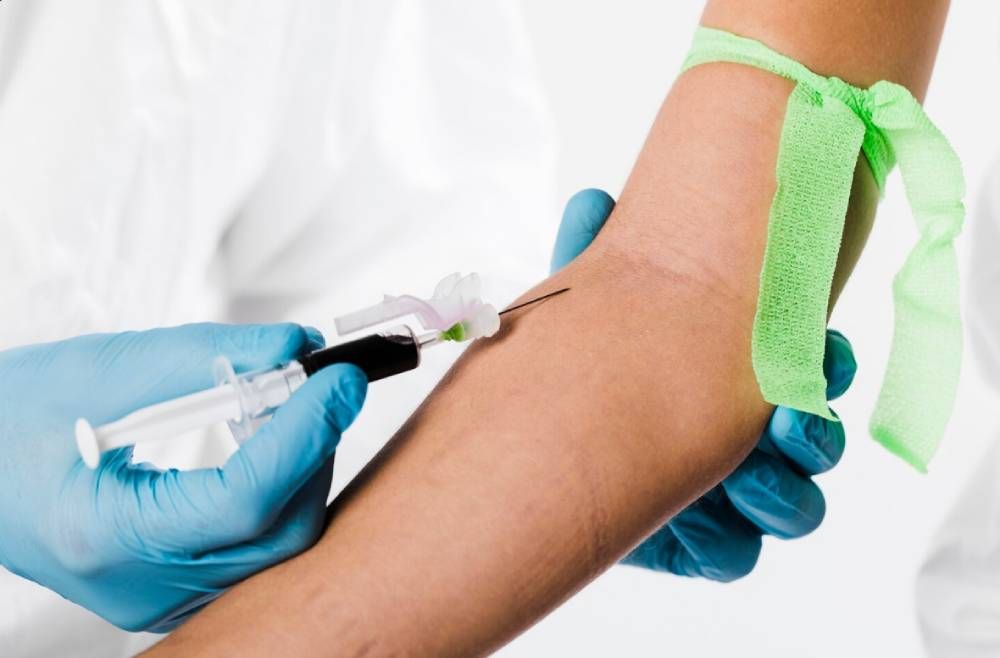
- A technician collects a small blood sample from your arm. The process takes just a few minutes.
- Results are usually ready within a day or two. Discuss the numbers with your doctor rather than interpreting them alone.
Conclusion
Lab reference ranges are population-based guidelines. Your individual baseline may sit at the higher or lower end and still be perfectly healthy. Discuss your complete thyroid panel with an endocrinologist who can factor in your age, symptoms, and overall health.
If you would like a reliable thyroid function test, Lupin Diagnostics offers comprehensive thyroid panels at NABL-accredited labs and convenient home collection across India.
Frequently Asked Questions
Do I need to fast before a thyroid function test?
Fasting is not strictly required. Free T4 stays stable after meals. However, TSH can dip slightly after eating, which matters when checking for subclinical hypothyroidism. A morning sample is often preferred.
Can taking biotin supplements affect my thyroid test results?
Yes. Biotin can alter TSH, Free T4, and Total T3 readings on certain testing platforms. Inform your doctor about any biotin or multivitamin use before the test.
Why does my TSH level change depending on the time of day I take the test?
TSH follows a natural circadian rhythm, peaking overnight and falling during the day. Pulsatile secretion, seasonal changes, and ageing also contribute to these fluctuations.
What is the difference between Free T4 and Total T4?
Total T4 measures all T4 in your blood, including the portion bound to proteins. Free T4 measures only the unbound, active fraction your body can actually use.
Can stress or a temporary illness cause my thyroid levels to fluctuate?
Yes. Critical illness can alter thyroid test results in about 75% of hospitalised patients. This is sometimes called nonthyroidal illness syndrome and usually resolves once health improves.
What are normal thyroid levels for a pregnant woman?
Maternal TSH targets are typically below 2.5 mU/L in the first trimester and below 3.0 mU/L in the second and third trimesters. Your obstetrician will guide you on monitoring during pregnancy.
This article is for informational and educational purposes only. It does not replace professional medical advice, diagnosis, or treatment. Please consult a qualified healthcare provider for any concerns about your thyroid health or test results.
Featured Articles

Dehydrated How To Make A Lifesaving Diy Rehydration Drink For Cholera Recovery
Posted on: 22nd Jan 2026
Diabetes Screening For Diagnosis And Prevention
Posted on: 25th Oct 2023

Eating To Recover: The Best Foods For Getting Back On Your Feet After Cholera
Posted on: 22nd Jan 2026