Book a Home Collection Now!
Serum Iron Test – Price, Normal Ranges, Report & Preparation
June 9, 2026 - By Lupin Diagnostics
Feeling tired all the time or noticing unusually pale skin? A serum iron test can help uncover whether your iron levels are behind these symptoms. Iron is essential for carrying oxygen through your blood and keeping energy levels steady. Globally, iron deficiency anaemia affects roughly 1.2 billion people. This article walks you through everything about this test — from preparation and normal ranges to reading your report.
What Is the Serum Iron Test?
This test measures the amount of iron circulating in the liquid part of your blood, called serum. Think of it as a snapshot of iron currently travelling through your bloodstream.
However, it does not tell the full story alone. Your body also stores iron, and a separate marker called ferritin reflects those reserves. The World Health Organisation uses a ferritin threshold below 15 ng/mL to identify iron deficiency. So even when serum iron looks fine, storage levels might be low.
Doctors often pair this test with other markers like transferrin to get a clearer picture of how your body handles iron — absorbing, transporting, and storing it.
Why Do Doctors Order a Serum Iron Test?
Your doctor may recommend this test for several reasons. Here are the most common ones:
- Suspected iron deficiency anaemia — persistent tiredness, breathlessness, or pale skin
- Screening for iron overload — conditions like haemochromatosis cause the body to absorb excess iron from food
- Chronic fatigue or joint pain without a clear cause
- Monitoring ongoing treatment for known iron-related conditions
- Unexplained changes in blood test reports during routine health check-ups
An iron profile test — which bundles serum iron with ferritin and TIBC — is often preferred. This gives your doctor a more complete view of your iron status in a single panel.
How Should You Prepare for a Serum Iron Test?
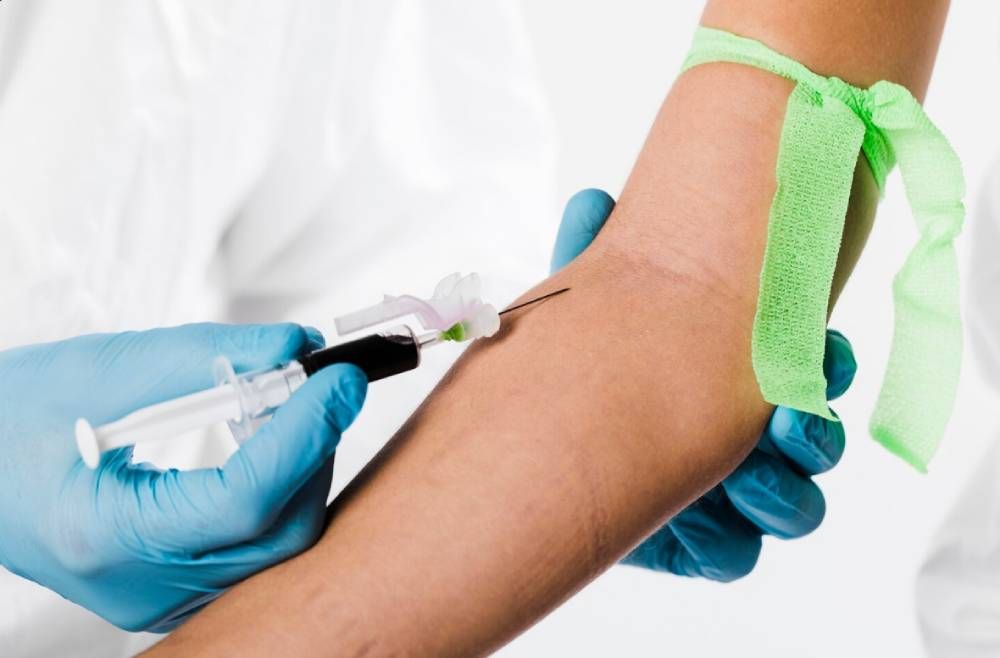
Good serum iron test preparation matters because iron levels shift throughout the day. Morning levels tend to be higher than afternoon or evening readings. Follow this checklist for the most accurate results:
- Fast for 10–12 hours before the blood draw. Fasting is recommended for reliable serum iron measurement
- Schedule a morning appointment. Fasting for the iron test overnight and collecting blood early reduces variability
- Pause iron supplements at least 7 days before the test. Always confirm this with your doctor first
- Stay hydrated. Plain water is perfectly fine during the fasting window
- Inform the lab about any medicines or supplements you are taking
What Are the Serum Iron Test Normal Ranges?
Serum iron test normal ranges differ by age and sex. The table below provides general reference values. Your lab report may show slightly different ranges.
| Group | Serum Iron (µg/dL) | TIBC (µg/dL) |
|---|---|---|
| Adult Men | 55–160 | 250–370 |
| Adult Women | 40–155 | 250–310 |
| Children | 50–120 | 250–450 |
These values are indicative. Each laboratory sets its own reference range based on equipment and methods. Your doctor will interpret results specific to your situation.
Keep in mind that women's iron levels naturally fluctuate with their menstrual cycle. Serum iron and transferrin saturation tend to rise after menstruation and peak during the mid-luteal phase.
How to Read Your Serum Iron Test Report
A serum iron test report includes more than one number. Understanding each marker helps you make sense of the overall picture.
Transferrin is a protein made by the liver that carries iron through the blood. Total Iron-Binding Capacity (TIBC) measures how much transferrin is available to bind iron. These work together to reveal various health patterns.
What Do Low Serum Iron Levels Indicate?
Low readings may point to several underlying causes:
- Insufficient dietary iron — common in vegetarian diets lacking iron-rich foods like spinach, rajma, or bajra
- Chronic blood loss from heavy periods or gastrointestinal issues
- Malabsorption conditions such as Celiac disease
- Increased demand during pregnancy
In iron deficiency anaemia, serum iron drops while TIBC rises. Your body essentially makes more "carriers" to grab whatever little iron is available.
What Do High Serum Iron Levels Indicate?
Elevated levels also need attention. Possible causes include:
- Over-supplementation with iron tablets
- Liver conditions such as hepatitis or cirrhosis
- Hereditary haemochromatosis — where untreated iron buildup can damage the liver, heart, pancreas, and joints
- Haemolytic anaemia, where red blood cells break down too quickly
High serum iron symptoms may include joint pain, fatigue, or abdominal discomfort. If your report shows elevated iron, speak with your doctor for proper evaluation.
What Does the Serum Iron Test Price Look Like?
The serum iron test price depends on a few factors. A standalone serum iron test costs less than a complete iron profile panel. Location, lab accreditation, and whether you add it to a broader health package also affect pricing. Insurance coverage may apply in some cases.
Choosing an NABL-accredited lab ensures both accuracy and reliability of your results.
Key Takeaway
Iron balance is a delicate system. Too little leaves you exhausted; too much can quietly harm vital organs. A serum iron test — especially as part of a full iron profile — helps catch imbalances early. Always have your results reviewed alongside your clinical history by a qualified doctor.
If you would like to check your iron levels, Lupin Diagnostics offers iron profile tests at NABL-accredited labs and convenient home collection across India.
Frequently Asked Questions
Can I drink water while fasting for a serum iron test?
Yes, plain water is fine during the fasting window. Only food and calorie-containing drinks need to be avoided before the test.
Why are iron levels usually checked first thing in the morning?
Serum iron naturally varies throughout the day. Morning levels are generally higher and more stable, so early collection gives a more consistent baseline.
Does a normal serum iron level mean I don't have anaemia?
Not necessarily. Iron deficiency without anaemia is at least twice as common as iron deficiency anaemia. Your doctor may check ferritin and TIBC alongside serum iron for a fuller picture.
How long does it take to get the results of a serum iron test report?
Most laboratories return results within 24–48 hours.
Can a high serum iron level damage body organs over time?
Yes, excess iron can gradually build up in the liver, heart, pancreas, and joints. Left untreated, this may lead to tissue and organ damage. Please consult your doctor if your levels are elevated.
Do menstrual cycles affect the results of a female's iron test?
They can. Iron levels and transferrin saturation rise after menstruation and peak during the mid-luteal phase. Your doctor may consider cycle timing when interpreting results.
This article is for informational and educational purposes only. It does not substitute professional medical advice, diagnosis, or treatment. If you have concerns about your iron levels or overall health, please consult a qualified healthcare provider.
Featured Articles

Dehydrated How To Make A Lifesaving Diy Rehydration Drink For Cholera Recovery
Posted on: 22nd Jan 2026
Diabetes Screening For Diagnosis And Prevention
Posted on: 25th Oct 2023

Eating To Recover: The Best Foods For Getting Back On Your Feet After Cholera
Posted on: 22nd Jan 2026