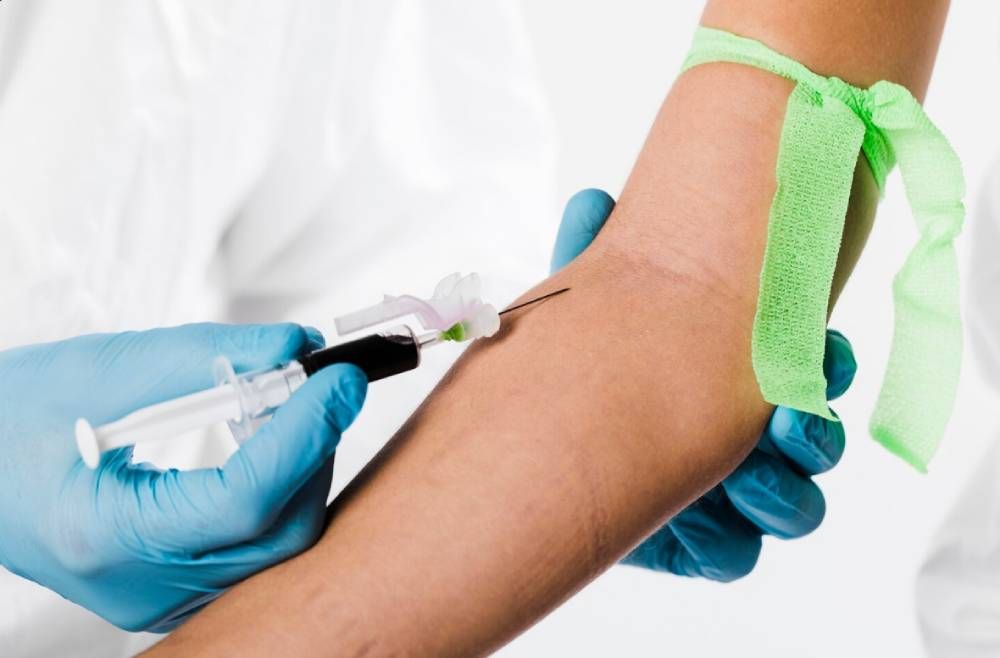
Book a Home Collection Now!
Salmonella Typhi Symptoms: Understanding the Warning Signs
May 21, 2026 - By Lupin Diagnostics
A persistent fever that climbs higher each day, crushing fatigue, and a loss of appetite—these Salmonella typhi symptoms can easily be mistaken for a routine viral infection. Typhoid fever, caused by the bacterium Salmonella typhi, remains a serious public health concern. Globally, an estimated 9 million people fall ill from it every year. This article walks you through the warning signs, how the infection spreads, and what to expect from diagnosis and treatment.
What Is Salmonella typhi and Why Should You Care?
Salmonella typhi is a bacterium that targets the human bloodstream and gut. It causes typhoid fever, a life-threatening infection. Unlike common food-poisoning Salmonella, this strain spreads specifically through contaminated food or water.
Around 110,000 people die from typhoid annually. South Asia, including India, carries a heavy burden of cases. Early recognition of symptoms can make a meaningful difference in outcomes.
What Are Common Salmonella typhi Symptoms?
Typhoid symptoms don't hit all at once. The illness unfolds gradually over several weeks, each stage bringing new challenges. Here is a week-by-week breakdown of what to expect:
| Week | Key Symptoms |
|---|---|
| Week 1 | Fever rises gradually, reaching 39–40°C by the third or fourth day. Headache, fatigue, and loss of appetite set in. |
| Week 2 | High fever persists. Abdominal pain, constipation, or diarrhoea may develop. Rose spots—small (2–4 mm) pinkish spots on the chest and abdomen—may appear in some patients. |
| Week 3 | Abdominal pain, constipation, or diarrhoea may worsen. Serious complications can emerge if treatment has not started. |
| Week 4 | Fever slowly subsides. However, relapse remains possible. |
Without treatment, symptoms can worsen through weeks three and four, with high fever persisting and serious complications becoming a real risk.
How Does Typhoid Fever Spread?
Typhoid spreads through the faecal-oral route. When someone consumes food or water contaminated with the bacteria, the germs enter the gut, multiply, and move into the bloodstream. In India, contaminated street food and untreated drinking water remain common sources.
Here's what many people don't realise—a person can carry and spread the bacteria without feeling sick at all. About 1–4% of patients become chronic carriers. They shed bacteria for twelve months or longer after their own illness has passed. In India, where street food and shared water sources are common, this makes hygiene especially important.
How Is Typhoid Fever Diagnosis Done?
Doctors use several tests to confirm a typhoid fever diagnosis. Here are the most common ones:
- Blood culture: This is the most reliable method. However, a single blood culture detects the bacteria in only about 50% of cases, so repeat samples may be needed.
- Stool and urine tests: Helpful when blood cultures are inconclusive, especially in later stages of the illness.
- Widal test: Widely used in India because it's affordable and quick. However, it can give false positive results.
A typhoid fever diagnosis often combines clinical signs with lab results. Speak with your doctor about which tests are most appropriate for your situation.
What Are the Salmonella typhi Treatment Options and Complications?
Treatment
Antibiotics are the cornerstone of typhoid fever treatment. Your doctor may prescribe medicines such as azithromycin or ciprofloxacin based on local resistance patterns.
A major and increasing concern in the treatment of typhoid fever is the emergence of Extensively Drug-Resistant (XDR) typhoid. These strains of Salmonella typhi are resistant to multiple commonly used antibiotics, including ciprofloxacin and ceftriaxone, which significantly limits effective treatment options and makes infections more difficult to manage.
Your doctor will choose the right antibiotic based on local resistance patterns—never self-medicate. Always complete the full course as prescribed by your healthcare provider.
Complications of Typhoid
When left untreated, serious complications of typhoid occur in 10–15% of hospitalised patients. These include:
- Bleeding in the intestines (gastrointestinal haemorrhage).
- A hole forming in the intestinal wall (perforation).
- Brain-related complications (encephalopathy).
If you experience severe abdominal pain or blood in your stool during a fever, seek medical attention without delay.
How Can You Prevention Typhoid Fever?
Prevention rests on two pillars—vaccination and everyday hygiene. Here are practical steps that make a real difference:
- Get vaccinated: The WHO recommends the Typhoid Conjugate Vaccine (TCV) for children from 6 months of age. Two TCVs are WHO-prequalified.
- Safe food practices: Follow the simple rule—boil it, cook it, peel it, or skip it. Avoid raw salads and unpeeled fruits from street vendors.
- Wash hands thoroughly: Use soap and water after using the washroom and before meals.
- During illness: Avoid preparing food for others and complete your full antibiotic course.
These steps are particularly important during the monsoon season in India, when waterborne infections spike.
Staying Safe Starts With Early Action
Recognising Salmonella typhi symptoms early—a steadily climbing fever, persistent headache, and fatigue—gives you the best chance of a full recovery. Timely testing and completing the prescribed antibiotic course are your strongest safeguards.
If you or someone in your family has had a prolonged fever, getting tested early matters. Lupin Diagnostics offers reliable blood culture and typhoid testing at NABL-accredited labs across India, with home collection available for your convenience.
Frequently Asked Questions
How long do Salmonella typhi symptoms last?
Without treatment, typhoid fever can last about a month. Antibiotics shorten the illness and lower the risk of complications significantly.
What is the "Typhoid Tongue"?
It refers to a white-yellow coating on the tongue, observed in many typhoid cases. One study noted a specificity of up to 94%, though it is not a standard diagnostic tool.
Are Salmonella and Salmonella typhi the same?
They belong to the same genus but cause different illnesses. Salmonella typhi causes typhoid fever, while non-typhoidal Salmonella causes common food poisoning.
Can you get typhoid twice?
Yes, relapse occurs in fewer than 10% of patients. It typically happens one to three weeks after initial recovery.
What are Rose Spots in typhoid?
These are small (2–4 mm), pinkish-red, flat-to-slightly-raised spots. They usually appear on the chest and abdomen during the second week of illness.
Is typhoid contagious through air?
Typhoid does not spread through the air. It spreads through food or water contaminated with the bacteria.
What is XDR Typhoid?
XDR stands for extensively drug-resistant typhoid strains. These typhoid strains resist five key antibiotics, making treatment more complex and harder to treat with standard medicines.
Can I be a carrier of Salmonella Typhi without symptoms?
Yes. About 1–4% of patients become chronic carriers. They shed bacteria for twelve months or longer without feeling ill themselves.
This article is for informational and educational purposes only. It is not a substitute for professional medical advice, diagnosis, or treatment. Please consult a qualified healthcare provider for any health concerns or before making decisions related to your health.
Featured Articles
Diabetes Screening For Diagnosis And Prevention
Posted on: 25th Oct 2023

Eating To Recover: The Best Foods For Getting Back On Your Feet After Cholera
Posted on: 22nd Jan 2026

What A Complete Blood Count (CBC) Tells You About Your Health
Posted on: 22nd Jan 2026