Blood Culture Test: Booking, Price, and Results
About Blood Culture Test: Booking, Price, and Results
| Field | Value |
|---|---|
| Also Known As | Blood C/S, Haemoculture, Blood Culture and Sensitivity Test, Bacteraemia Test |
| Sample Type | Venous blood (multiple samples from different veins) |
| Fasting Required | No |
| Report Time | 3 to 5 days (preliminary results may be available sooner; some organisms may take up to 7 days) |
| Recommended For | Individuals of all ages showing symptoms of infection |
| Price | Starting at ₹1500 |
What Is a Blood Culture Test?
A blood culture test is a laboratory procedure that checks a blood sample for the presence of harmful micro-organisms such as bacteria, fungi, and yeast. Doctors order it when they suspect an infection has entered the bloodstream. Blood sample is drawn from multiple veins and placed in special bottles for analysis.
What Does a Blood Culture Test Measure?
The test examines your blood for several things. Here is what each component tells your doctor:
| Component | What It Checks |
|---|---|
| Bacteria | Whether disease-causing bacteria are present in the blood. |
| Fungi and Yeast | Whether fungal organisms, including yeast, are circulating in the bloodstream. |
| Organism Identification | The exact type of micro-organism responsible for the infection. |
| Antibiotic Sensitivity | Which antibiotic medicines are likely to work against the identified infectious organism. |
Why Is a Blood Culture Test Done?
A blood culture test is ordered when a doctor suspects a serious infection in the bloodstream. The sections below explain the common reasons for requesting this test.
Common Symptoms That May Require This Test
Several symptoms may prompt a doctor to order a blood culture test. These include:
- High fever, often with chills or shivering
- Rapid breathing or an unusually fast heart rate
- Confusion or difficulty thinking clearly
- Low blood pressure
- Nausea and vomiting
- Decreased urination
- Extreme fatigue
Conditions This Test Can Help Detect
A positive blood culture result may help identify a range of serious conditions, including:
- Sepsis (a severe and dangerous response to infection in the blood)
- Septicaemia (blood poisoning caused by bacteria)
- Endocarditis (infection of the heart valves)
- Meningitis (infection affecting the covering of the brain)
- Osteomyelitis (bone infection)
- Pneumonia (lung infection) with suspected spread to the blood
- Kidney infections that have spread to the bloodstream
- Fungaemia (fungal infection in the blood)
- Catheter-related bloodstream infections
How to Prepare and What to Expect
No special preparation is needed for a blood culture test, but a few simple steps can help ensure accurate results.
Do You Need to Fast?
No fasting is required before a blood culture test. You can eat and drink normally before your appointment. However, if your doctor has ordered additional tests alongside this one, some of those may require fasting. Confirm with your doctor or the collection centre.
Practical Tips Before Your Test
Keep the following points in mind before your sample is collected:
- Tell your doctor if you have recently taken antibiotics, as these can affect the blood culture test results.
- Inform your doctor about all current medications and supplements.
- Keep the collection site clean after the procedure.
Step-by-Step Procedure
Here is what to expect during sample collection:
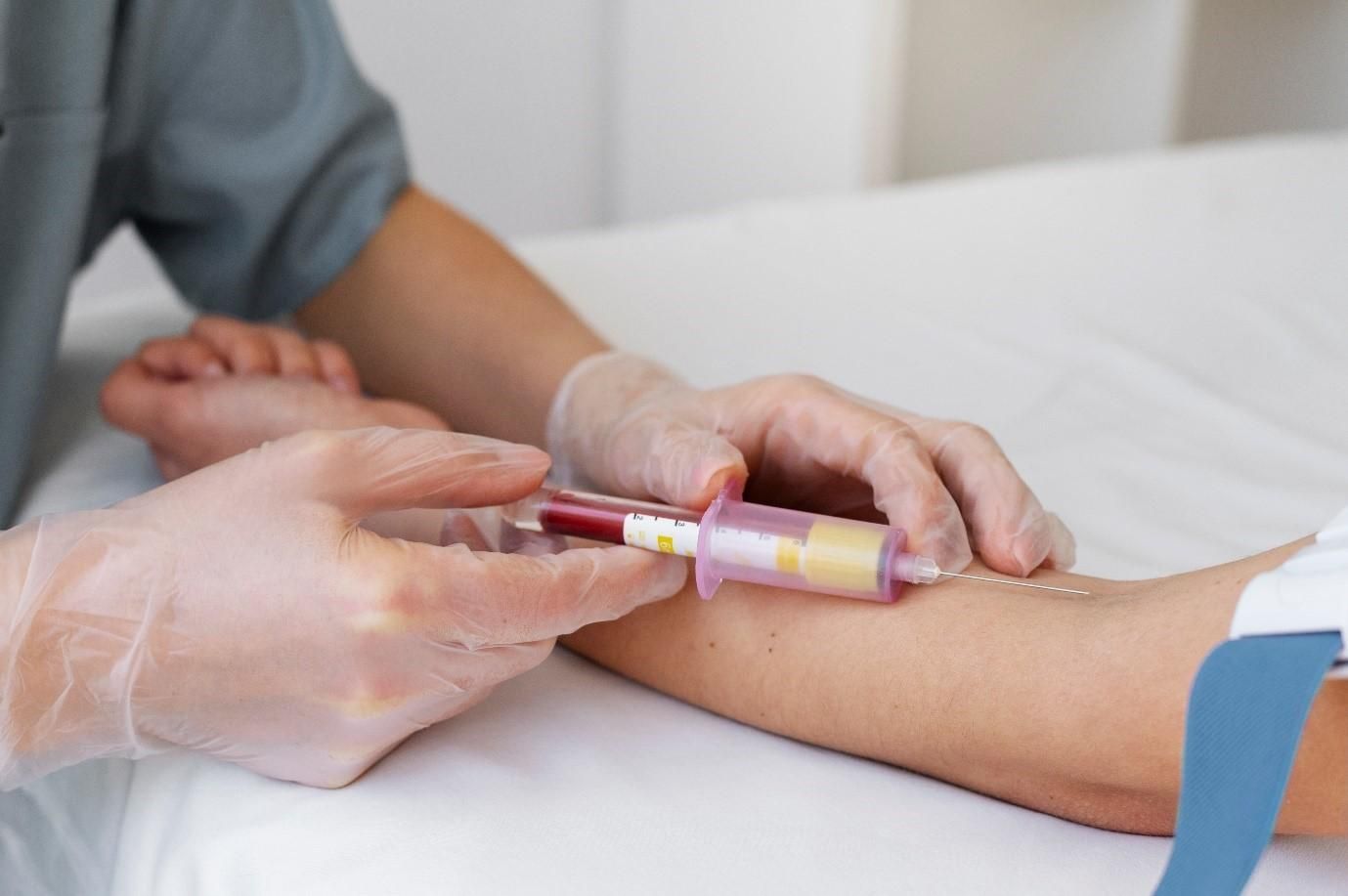
- The healthcare professional cleans the skin at the collection site with a sterile antiseptic solution to reduce the risk of contamination.
- An elastic band is tied around your arm to increase blood flow in the vein.
- Blood is collected from at least two different veins; multiple samples are taken to improve accuracy and help distinguish true infection from contamination.
- Each sample is carefully transferred into special culture bottles designed to support the growth of micro-organisms.
- The bottles are sent to the laboratory and incubated, typically for up to 5 days, to allow any germs to grow.
- Once sufficient growth is detected, the laboratory identifies the organism and tests it against antibiotics to check sensitivity.
Factors That Can Affect Accuracy
The following factors may influence the reliability of your blood culture result:
- Taking antibiotics before the test, which can suppress bacterial growth.
- Insufficient blood volume collected.
- Contamination from skin bacteria during collection.
- Delay in transporting the sample to the laboratory.
- Collection from a catheter rather than a peripheral vein.
Understanding Your Blood Culture Test Results
Your doctor will review your blood culture test results together with your symptoms and medical history. The table below shows how results are generally interpreted.
| Test | Result | What It Means |
|---|---|---|
| Blood Culture | No growth (Negative) | No bacteria, fungi, or other micro-organisms detected in the blood sample. |
| Blood Culture | Growth observed (Positive) | Bacteria, fungi, or other infectious micro-organisms present in the blood. Additional tests may be done for further evaluation. |
These are general guidelines. Your doctor will interpret your results based on your age, health history, and other factors. Always consult a qualified healthcare professional for personalised medical advice.
A negative result means no germs were found in your blood. A positive result means that a micro-organism was identified. The laboratory will then carry out further sensitivity testing to help your doctor choose the right course of treatment.
Results During Special Conditions
Certain situations can affect how results are read. Your doctor will take these into account:
- Patients who have already taken antibiotics may return a negative culture even when an infection is present, because the antibiotics suppress bacterial growth.
- People with a weakened immune system, including infants, older adults, and those on chemotherapy, are at higher risk of bloodstream infections. Interpreting results in these groups requires extra caution.
- Occasionally, a result may appear positive due to contamination by skin bacteria rather than a true infection. Your doctor will assess whether a positive result reflects a real infection based on the type of organism and clinical context.
How to Maintain Healthy Levels
These general habits can help reduce the risk of bloodstream infections:
- Practise regular hand-washing and maintain good personal hygiene.
- Keep any wounds or cuts clean and covered to prevent bacteria from entering the bloodstream.
- Seek prompt medical attention if you develop a persistent high fever or other signs of infection.
Lupin Diagnostics Blood Culture Test Price and Home Collection
The blood culture test price at Lupin Diagnostics starts at approximately ₹400, and home sample collection is available across cities. The table below shows indicative prices by city.
| City | Approximate Price (₹) |
|---|---|
| Mumbai | ₹1500 |
| Chennai | ₹1500 |
| Bangalore | ₹1500 |
| Hyderabad | ₹1500 |
| Kolkata | ₹1500 |
| Pune | ₹1500 |
Prices are indicative and may vary by location. Please confirm the current charges at the time of booking.
How to Book
- Select the test on the Lupin Diagnostics website.
- Choose your city and preferred time slot.
- Opt for home sample collection by a certified phlebotomist, or visit your nearest Lupin Diagnostics centre.
- Receive your report via email or WhatsApp within the stipulated turnaround time.
Home Collection
Lupin Diagnostics offers home collection for the blood culture test across multiple cities, making it convenient to get tested without visiting a centre. All samples are processed in NABL-accredited laboratories by trained professionals. Once ready, your digital report is shared directly via email or WhatsApp.
Frequently Asked Questions
At least two samples are drawn from two different veins for the blood culture test. This approach gives a more reliable result and helps the laboratory tell the difference between a genuine infection and a false positive caused by skin contamination.
Results are typically ready within 3 to 5 days, as the laboratory needs time for any micro-organisms to grow. Some slow-growing organisms may take up to 7 days. Preliminary findings may be available sooner in some cases.
Not always. A negative result means no growth was detected, but it does not completely rule out an infection. If antibiotics were taken before the test or if the responsible organism is difficult to grow, the culture may still return negative. Your doctor may order further tests if symptoms continue.
Yes. Antibiotics can suppress the growth of bacteria in the culture, which may lead to a false negative result even when an infection is present. Always tell your doctor if you have taken any antibiotics recently before undergoing the blood culture and sensitivity test.
The procedure is similar to a routine blood draw. You may feel a brief sting when the needle is inserted, but the discomfort passes quickly. Because two samples are collected from different veins, the process takes a little longer than a standard blood test.
Yes. The blood culture is suitable for patients of all ages, including infants and children. The procedure is the same, though the volume of blood collected may be adjusted based on the child's age.
Most routine blood tests measure substances already present in the blood, such as glucose or cholesterol. A blood culture test goes further by incubating the sample over several days to detect and identify any living micro-organisms, making it the gold standard for diagnosing bloodstream infections.
Blood Culture Test: Booking, Price, and Results