Book a Home Collection Now!
Progesterone Test - Purpose, Procedure, Results Interpretation, Normal Range
June 11, 2026 - By Lupin Diagnostics
Trying to understand your results against the progesterone test normal range on a lab report can feel overwhelming. Progesterone is a hormone that plays a central role in ovulation, menstrual health, and pregnancy. This article walks you through why this test is ordered, how it works, and what your results actually mean.
What Is a Progesterone Test?
A progesterone test is a blood test that checks the level of progesterone in your serum. Progesterone is a steroid hormone produced mainly by the ovaries, specifically the corpus luteum after ovulation. During pregnancy, the placenta takes over production. The adrenal glands also make small amounts of this hormone in both women and men.
Your doctor may use serum progesterone levels to confirm ovulation, assess fertility, or monitor an ongoing pregnancy. The test helps paint a clearer picture of how your reproductive system is functioning.
What Is the Progesterone Test Purpose?
Doctors order this test for several specific reasons. Here are the most common ones:
- Confirming ovulation: A rise in progesterone mid-cycle confirms that an egg has been released. This is essential for ovulation tracking blood test assessments.
- Evaluating fertility: Low luteal-phase levels may point to luteal insufficiency, which can reduce implantation success.
- Monitoring high-risk pregnancy: Progesterone supports the uterine lining. Tracking levels helps assess pregnancy viability.
- Investigating abnormal bleeding: Irregular periods or unexpected uterine bleeding may prompt this test.
- Screening for ectopic pregnancy: Unusually low readings can raise concern about a pregnancy outside the uterus.
Your doctor will decide whether this test is right for you based on your specific symptoms and medical history.
How Does the Progesterone Test Procedure Work?
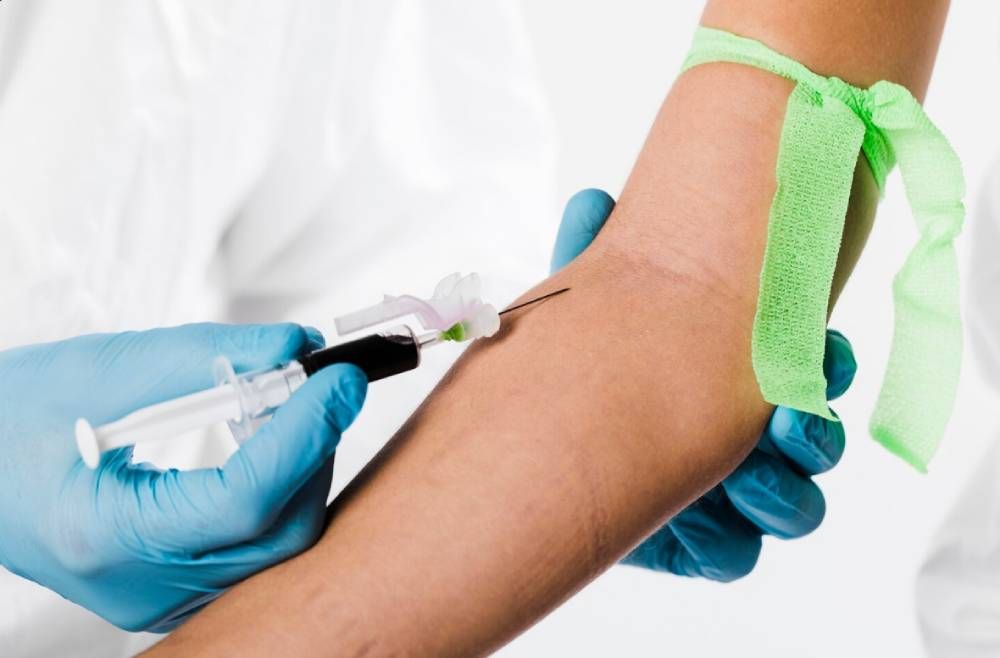
The progesterone test procedure is a standard blood draw. Fasting is not required. You can eat and drink normally before the sample collection. Here is what to expect, step by step:
- A healthcare professional ties an elastic band around your upper arm.
- They clean the inner elbow area with an antiseptic swab.
- A small needle is inserted into a vein to collect a blood sample.
- The sample is placed in a labelled tube, and a cotton ball or bandage is placed over the site.
- The sample is sent to a laboratory for analysis.
Timing matters the most for this test. It is typically scheduled on day 21 of a 28-day cycle. This falls roughly seven days before your expected period, when luteal phase progesterone peaks. If your cycle is longer or shorter, your doctor will adjust the date.
What Is the Progesterone Test Normal Range?
Progesterone test normal range values shift dramatically across your cycle and during pregnancy. The table below outlines standard reference values:
| Group / Stage | Progesterone Level (ng/mL) |
|---|---|
| Prepubescent girls | 0.1 – 0.3 |
| Follicular stage (menstrual cycle) | 0.1 – 0.7 |
| Luteal stage (menstrual cycle) | 2 – 25 |
| First trimester of pregnancy | 10 – 44 |
| Second trimester of pregnancy | 19.5 – 82.5 |
| Third trimester of pregnancy | 65 – 290 |
Reference ranges can vary between laboratories. Always interpret your report with your doctor's guidance.
Progesterone Test Interpretation: What Do Your Results Mean?
Your progesterone test results gain meaning only alongside your medical history and menstrual cycle phases. Your doctor will interpret the results.
What Do High Progesterone Levels Indicate?
Elevated readings may occur due to the following reasons:
- Successful ovulation during the luteal phase
- A healthy, progressing pregnancy (levels rise steadily through trimesters)
- Ovarian cysts that produce extra hormone
- Rare conditions like congenital adrenal hyperplasia or adrenal tumours
High progesterone symptoms during pregnancy can include fatigue, bloating, and breast tenderness. These are often normal.
What Do Low Progesterone Levels Indicate?
Low numbers may point to specific reproductive concerns:
- Anovulation, meaning the ovaries did not release an egg that cycle
- Irregular menstrual cycle phases or missed periods
- Higher risk of miscarriage or ectopic pregnancy in the early weeks
- Poor placental function during pregnancy
A single reading below 6.3 ng/mL has high specificity for a non-viable pregnancy. However, one result alone does not confirm an outcome. Your gynaecologist may recommend repeat testing before drawing conclusions.
What Factors Can Affect Your Progesterone Test Scores?
Several variables can shift your readings. Keep these in mind before and after testing:
- Birth control pills suppress natural progesterone production and alter baseline levels.
- Hormone replacement therapy (HRT) introduces external hormones that change your blood profile.
- Fertility medications like clomiphene stimulate ovulation and may raise progesterone.
- Stress can influence levels. Progesterone is partly produced by the adrenal glands, which respond to stress signals.
- Irregular cycles make timing tricky. If your cycle is not 28 days, day 21 may not reflect your true luteal peak.
Always share your full medication list with your doctor before the test.
Taking Charge of Your Reproductive Health
Progesterone levels offer a meaningful window into ovulation, cycle health, and pregnancy support. Whether you are trying to conceive or investigating low progesterone in pregnancy, this test gives your doctor concrete data to guide your care. The key is proper timing and expert interpretation of your progesterone test results.
If you would like to get your progesterone levels checked, Lupin Diagnostics offers convenient testing at NABL-accredited labs and home collection services across India.
Frequently Asked Questions
Why is a progesterone test usually performed on day 21 of the menstrual cycle?
Day 21 falls roughly seven days before the next period in a standard 28-day cycle. This is when luteal phase progesterone peaks, making it the ideal window to confirm whether ovulation occurred.
What are the common symptoms of low progesterone in women who aren't pregnant?
Symptoms can include irritability, fatigue, mood swings, and irregular periods. These often appear in the days leading up to menstruation when progesterone naturally drops.
Can stress cause your progesterone levels to drop unexpectedly?
Yes, stress can influence progesterone because the adrenal glands also produce this hormone. The body's stress-response system may alter levels, though the effect varies from person to person.
How long does it take to get a progesterone test report back from the laboratory?
At Lupin Diagnostics, progesterone test reports are typically available within 1 to 3 days after the sample is collected. For the most accurate estimate, please check with your nearest diagnostic centre.
Does a low progesterone level during early pregnancy automatically mean a miscarriage will occur?
Not necessarily. A single low reading offers prognostic clues but does not confirm the outcome. Levels between 20 and 25 ng/mL indicate a greater than 90% likelihood of a viable pregnancy.
Can men take a progesterone test, and do they produce this hormone?
Yes, men produce progesterone at levels comparable to women outside the luteal phase. In men, it supports sperm development and testosterone production.
This article is for informational purposes only and does not replace professional medical advice, diagnosis, or treatment. Please consult a qualified healthcare provider for any medical concerns or before making changes to your health routine.
Featured Articles

Dehydrated How To Make A Lifesaving Diy Rehydration Drink For Cholera Recovery
Posted on: 22nd Jan 2026
Diabetes Screening For Diagnosis And Prevention
Posted on: 25th Oct 2023

Eating To Recover: The Best Foods For Getting Back On Your Feet After Cholera
Posted on: 22nd Jan 2026