Book a Home Collection Now!
PCT (Procalcitonin) Blood Test: Purpose, Uses & Normal Ranges
June 11, 2026 - By Lupin Diagnostics
When a severe infection strikes, every hour counts. In such moments, the PCT blood test normal range becomes a critical reference point for doctors trying to identify whether a severe bacterial infection is at play. This article breaks down what procalcitonin measures, why it matters, and how to read your results.
What Is a PCT Blood Test?
Procalcitonin (PCT) is a peptide (a small protein) that your body produces in response to bacterial toxins and tissue injury. In healthy individuals, serum procalcitonin levels stay remarkably low, typically below 0.05 ng/mL. That is barely detectable.
When bacterial toxins or serious tissue injury occur, cells throughout the body start releasing procalcitonin rapidly. This sharp rise makes it a reliable signal for doctors. Unlike general inflammation markers, PCT responds specifically to bacterial threats, which gives it a distinct clinical edge.
What is the Purpose of the Procalcitonin Blood Test?
Doctors order this test when they need fast, targeted answers during acute illness. The purpose of the procalcitonin blood test goes beyond simply confirming infection.
Healthcare professionals rely on it for several reasons:
- Confirming or ruling out sepsis: High PCT levels show a strong positive correlation with systemic bacterial infection and positive blood cultures.
- Assessing severity: Rising levels help gauge how aggressively an infection is spreading through the body.
- Guiding antibiotic decisions: Tracking PCT over time tells clinicians whether antibiotic therapy is working or needs adjustment.
High serum PCT levels are strongly correlated with bacterial infection and positive blood cultures.
Your doctor will interpret these results alongside your clinical symptoms for an accurate diagnosis.
What Are the Key Uses of the PCT Blood Test?
Standard inflammatory markers such as C-reactive protein (CRP) and erythrocyte sedimentation rate (ESR) rise with almost any kind of inflammation. A sprained ankle, a viral fever, or even stress can push CRP up. PCT, by contrast, is far more specific to bacterial infections. That specificity is what makes its clinical uses distinctive.
Here are some of the most common uses of a PCT blood test:
1. Differentiating Bacterial vs. Viral Infections
This is where PCT truly shines as a sepsis biomarker test. Here is how it helps doctors tell infections apart:
- During bacterial infection vs viral infection scenarios, PCT levels differ dramatically. Median PCT with viral pathogens sits around 0.09 ng/mL, while typical bacteria push it to about 2.5 ng/mL.
- PCT does not rise significantly in most viral illnesses, helping doctors avoid unnecessary antibiotic prescribing.
2. Sepsis Risk Assessment and Monitoring
In ICU settings, tracking PCT levels over time reveals whether infection is worsening:
- Rising levels may signal progression toward severe inflammatory response syndrome (SIRS) or sepsis
- Falling levels suggest the infection is responding to treatment
- Serial measurements help doctors categorise patients into clear risk tiers
3. Guiding Antibiotic Stewardship
Overusing antibiotics fuels resistance, a growing concern in India. PCT-guided protocols help doctors decide exactly when to safely stop antibiotics. An ICU algorithm recommends discontinuing antibiotics when PCT drops below 0.5 ng/mL or falls by 80% from its peak. This approach has proven both safe and effective in reducing unnecessary antibiotic duration.
Understanding the PCT Blood Test Normal Range
Understanding the PCT blood test normal range requires looking at a tiered scale. Each level carries a different clinical meaning:
| PCT Level (ng/mL) | What It Suggests |
|---|---|
| Below 0.05 | Normal range: healthy individuals |
| 0.05–0.5 | Sepsis unlikely; possible localised infection |
| 0.5–2 | Possible bacterial infection; moderate sepsis risk |
| 2.0–10 | Systemic bacterial infection is likely; high sepsis probability |
| 10 or above | Severe sepsis or septic shock |
These ranges are guidelines. Your doctor will interpret them based on your overall clinical picture.
The Test Procedure and Patient Preparation
The procalcitonin blood test is a simple procedure.
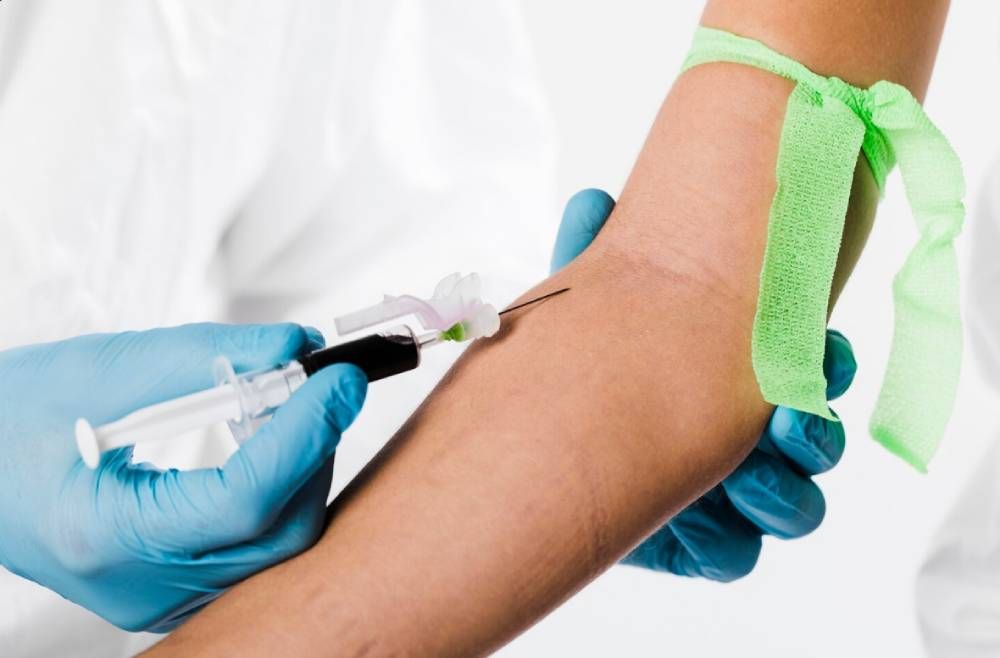
A healthcare professional or phlebotomist cleans the skin with an antiseptic, places a tourniquet if needed, and draws a small blood sample from a vein, usually in your arm, into a sterile collection vial.
Afterwards, the needle is removed, pressure is applied to prevent bleeding, and a bandage is placed over the site.
No fasting or special preparation is usually required.
Results are typically available within 12 to 24 hours.
Conclusion
Procalcitonin is a powerful sepsis biomarker that helps doctors make faster, more targeted decisions during critical infections. A single value, though, never tells the whole story. Trends over time matter more than any one reading. Falling levels signal recovery; rising levels demand urgent attention.
If your doctor has ordered a PCT test, it means they are working to get you the right treatment quickly. For comprehensive blood tests and health check-ups, Lupin Diagnostics offers reliable testing at NABL-accredited labs across India.
Frequently Asked Questions
What is the main difference between a PCT test and a CRP test?
PCT is more specific to bacterial infections, while CRP rises with almost any type of inflammation, including viral infections and injuries. This makes PCT more useful for deciding whether antibiotics are truly needed.
Can a viral infection like the flu or COVID-19 cause high procalcitonin levels?
Most viral infections do not significantly raise PCT. However, severe COVID-19 cases complicated by secondary bacterial sepsis may show elevated levels.
Are there any non-infectious conditions that can cause a high PCT blood test reading?
Yes. Major trauma, burns, certain cancers, cardiogenic shock, immunomodulator therapy, and chronic kidney disease can all raise PCT levels without an active infection being present.
How fast do procalcitonin levels rise in the body when a bacterial infection starts?
PCT begins rising within 6 to 12 hours after an initial bacterial infection. In sepsis specifically, levels can become detectable within 2 to 4 hours.
Does a normal PCT test result completely rule out all types of infections?
Not entirely. Localised infections may not raise PCT significantly. If clinical signs suggest sepsis, doctors may still initiate treatment even when PCT appears normal.
How long does it typically take for a laboratory to process emergency PCT blood test results?
Hospitals with on-site testing can deliver results in under 2 hours. External send-out labs may take 12 to 24 hours depending on the facility.
This article is for informational purposes only and does not replace professional medical advice, diagnosis, or treatment. If you have concerns about an infection or your test results, please consult a qualified healthcare provider promptly.
Featured Articles

Dehydrated How To Make A Lifesaving Diy Rehydration Drink For Cholera Recovery
Posted on: 22nd Jan 2026
Diabetes Screening For Diagnosis And Prevention
Posted on: 25th Oct 2023

Eating To Recover: The Best Foods For Getting Back On Your Feet After Cholera
Posted on: 22nd Jan 2026