Book a Home Collection Now!
Pancreas: Function, Location, Anatomy & Living Without One
June 11, 2025 - By Lupin Diagnostics
Your pancreas functions quietly, powering two vital systems every single day. This small organ tucks away behind your stomach, working around the clock. It helps digest your dal-chawal and keeps your blood sugar steady between meals. Yet most people barely know it exists until something goes wrong. This article gives you a closer look at what the pancreas does, where it sits, how it is built, and whether you can survive without one.
What Is the Pancreas and Where Is It Located?
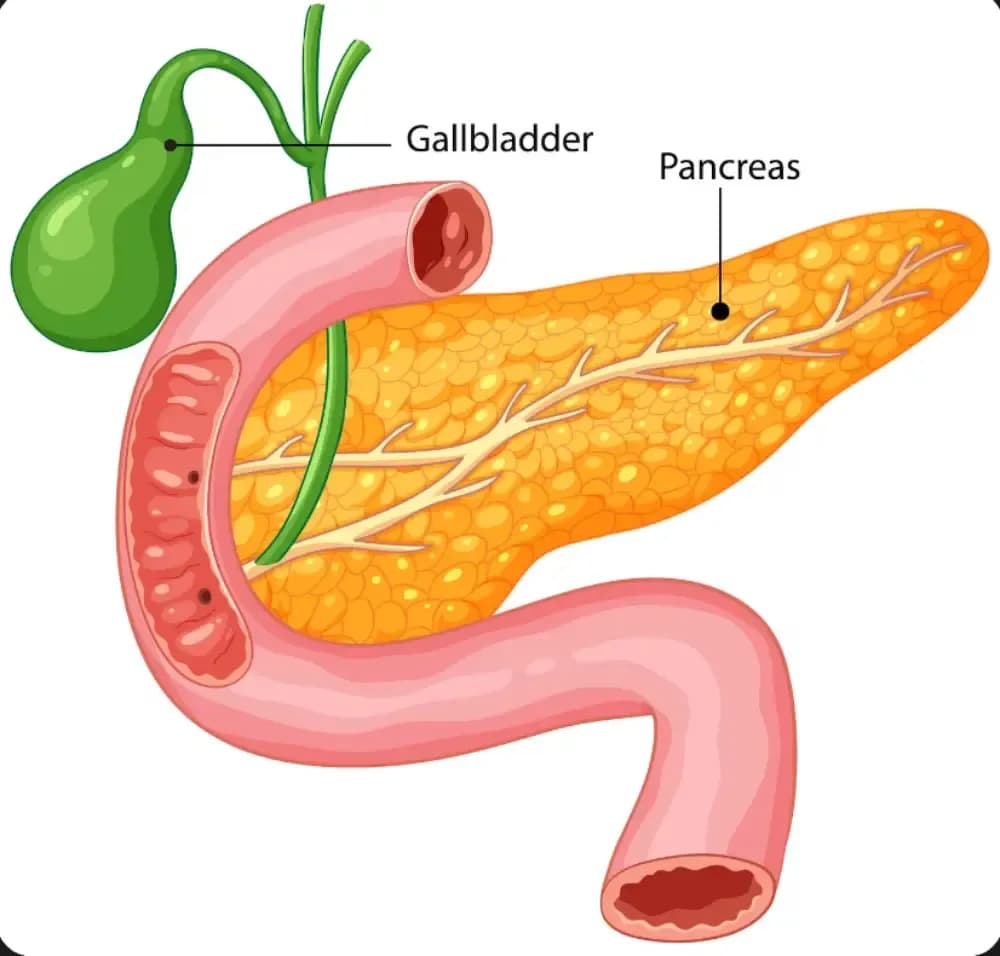
The pancreas is an elongated gland that sits deep in your upper abdomen. It produces digestive juices and releases hormones into your blood. In terms of location, the pancreas lies transversely across your upper belly, behind the stomach. It stretches horizontally between the duodenum on the right and the spleen on the left.
Here is what surrounds it:
- Right side: The head of the pancreas nestles into the C-shaped curve of the duodenum (the first section of the small intestine).
- Left side: The tail reaches towards the spleen.
- Front: The stomach sits directly in front of it.
- Behind: It rests against the spine, roughly at the level of the L1 and L2 vertebrae.
Because of this deep, protected position, pancreas problems are often discovered late. Pain from this area typically radiates to the upper back.
What Does the Pancreas Anatomy Look Like?
Understanding pancreas anatomy becomes easier when you picture the organ from right to left. It has four distinct sections and an internal duct system.
The Four Main Sections
Each part has a specific position and relationship with nearby organs:
- Head: The widest portion, cradled by the C-loop of the duodenum.
- Neck: A short, narrow segment connecting the head to the body.
- Body: The central stretch that runs horizontally across the spine.
- Tail: The tapered end that points towards the spleen.
The Pancreatic Duct System
A network of tiny tubes runs through the organ. Small ductules drain digestive juice from clusters of cells called acini. These ductules merge into larger interlobular ducts, which finally connect to the main pancreatic duct. This main duct delivers enzymes directly into the duodenum, where digestion happens.
Dual Powers: The Vital Pancreas Function
Here is what makes this organ truly remarkable. About 95% of its tissue handles digestion, while the rest manages blood sugar. These two roles operate independently.
1. The Exocrine Function (Digestion)
Acinar cells produce a cocktail of pancreatic enzymes released into the digestive tract:
- Lipase breaks down fats into smaller molecules your body can absorb.
- Amylase breaks down starches and other carbohydrates into simple sugars.
- Protease breaks proteins into amino acids for muscle repair and growth.
Without these enzymes, even a simple meal of roti and sabzi would pass through largely undigested.
2. The Endocrine Function (Blood Sugar Control)
Tiny clusters called the Islets of Langerhans handle insulin and glucagon production. These hormones enter the bloodstream directly, without needing any duct.
- Insulin lowers blood sugar after you eat.
- Glucagon raises it when levels dip between meals.
This balance keeps your energy steady throughout the day.
Exocrine vs Endocrine Pancreas: A Quick Comparison
| Feature | Exocrine Pancreas | Endocrine Pancreas |
|---|---|---|
| Cells involved | Acinar cells | Islets of Langerhans |
| What they produce | Enzymes (lipase, amylase, protease) | Hormones (insulin, glucagon) |
| Delivery route | Into ducts, then the duodenum | Directly into the bloodstream |
| If they fail | Malabsorption and nutritional deficiency | Diabetes and blood sugar instability |
Is Living Without One Pancreas Actually Possible?
Yes, it is. A total pancreatectomy is a surgical procedure that removes the entire pancreas. People can survive after this surgery, but daily life changes significantly.
The body faces two immediate challenges after pancreatectomy recovery:
- Surgically induced diabetes (Type 3c): Without islet cells, the body loses the ability to produce both insulin and glucagon. Blood sugar becomes highly unpredictable, requiring lifelong insulin therapy.
- Digestive enzyme deficiency: The absence of exocrine function means every meal needs pancreatic enzyme replacement therapy (PERT) to digest food properly.
- Nutritional monitoring: Regular blood tests and careful dietary planning become part of everyday life.
Any decision about surgery or ongoing treatment should always be guided by your doctor's advice.
What Conditions Can Affect Your Pancreas?
Several conditions can compromise this organ's dual functions. Here are the most common ones:
- Acute pancreatitis: Sudden inflammation of the pancreas causing upper abdominal pain, nausea, vomiting, and fever. Common triggers include gallstones and heavy alcohol use.
- Chronic pancreatitis: Long-term inflammation that causes permanent damage to pancreatic tissue.
- Type 1 diabetes: The immune system destroys insulin-producing beta cells.
- Pancreatic cancer: One of the harder cancers to detect early because the organ sits so deep in the abdomen.
If you experience persistent upper abdominal pain or unexplained weight loss, consult a qualified healthcare professional promptly.
Conclusion
Your pancreas quietly manages digestion and blood sugar every moment of the day. While modern medicine makes living without one pancreas survivable, it demands lifelong medication and careful management. Keeping this organ healthy through mindful eating, limiting alcohol, and staying active is far simpler than managing its absence. Wondering how well your pancreas is functioning? A simple blood test can check your sugar levels and enzyme markers. Book a health check-up with Lupin Diagnostics at an NABL-accredited lab near you for a clear, reliable picture.
Frequently Asked Questions
On which side of your body is the pancreas located?
The pancreas stretches across both sides of the upper abdomen. Its head sits on the right, near the duodenum, while the tail extends to the left towards the spleen.
What are the early warning signs that your pancreas might not be functioning properly?
Common signs of pancreatic trouble include pain in the upper abdomen (sometimes radiating to the back), nausea, vomiting, fever, rapid pulse, and unexplained weight loss.
Why does a total pancreatectomy cause immediate diabetes?
Removing the entire pancreas eliminates the islet cells that produce insulin and glucagon. Without these hormones, the body cannot regulate blood sugar at all, resulting in type 3c (pancreatogenic) diabetes.
Can a damaged or inflamed pancreas heal itself over time?
Most people with acute pancreatitis recover fully within a week or so. However, chronic pancreatitis causes permanent damage that the organ cannot reverse.
What kind of diet must a person follow if they are living without a pancreas?
They need pancreatic enzyme replacement therapy with every meal to digest food. Strict blood sugar management through insulin therapy is also essential, guided by a medical team.
What is the difference between the pancreas's functions in type 1 vs type 2 diabetes?
In type 1 diabetes, beta cells are destroyed, and insulin production ceases. In type 2 diabetes, the pancreas may still produce insulin, but the body's cells become resistant to it.
This article is for informational and educational purposes only. It is not intended as a substitute for professional medical advice, diagnosis, or treatment. Please consult a qualified healthcare provider for any concerns related to your health or medical conditions.
Featured Articles

Dehydrated How To Make A Lifesaving Diy Rehydration Drink For Cholera Recovery
Posted on: 22nd Jan 2026
Diabetes Screening For Diagnosis And Prevention
Posted on: 25th Oct 2023

Eating To Recover: The Best Foods For Getting Back On Your Feet After Cholera
Posted on: 22nd Jan 2026