Book a Home Collection Now!
Meningitis in Children: Early Warning Signs, Causes and Required Tests
September 17, 2026 - By Lupin Diagnostics
A child with meningitis in children can go from playful to critically ill within hours. This infection causes swelling around the brain and spinal cord, and it demands urgent medical attention. Knowing the early warning signs, understanding the causes, and recognising which tests confirm the diagnosis can help parents act fast. Here is what every caregiver needs to know.
What Is Meningitis, and Why Are Young Children at Risk?
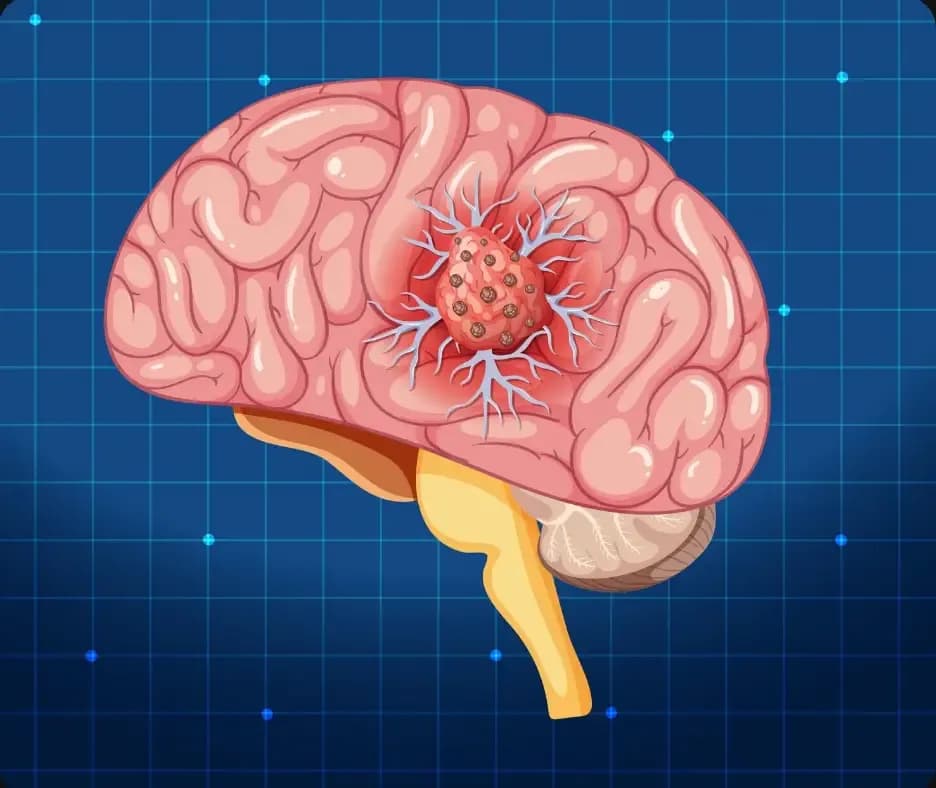
Meningitis is swelling of the meninges, the protective layers covering the brain and spinal cord. Bacteria, viruses, or rarely fungi can trigger this inflammation. The condition can strike anyone, but babies and toddlers face the highest risk.
A newborn's immune system is still developing. This immaturity makes it harder for their body to fight off infections that reach the brain. Preterm babies are especially vulnerable. Roughly one in five people affected by bacterial meningitis develops long-term complications. That statistic alone underscores why speed matters.
What Are the Key Meningitis Signs in Children by Age?
Meningitis signs in children vary dramatically depending on age. Infants often show vague, easy-to-miss symptoms. Older children present more recognisable warning signs. Parents need to watch for age-specific red flags.
Early Warning Signs in Infants (Under 2 Years)
Babies cannot tell you their head hurts. Instead, look for these signs:
- A bulging fontanelle (the soft spot on top of the head appears swollen or tense)
- High-pitched, inconsolable crying that sounds different from usual
- Unusual drowsiness or difficulty waking the baby
- Refusing feeds or vomiting repeatedly
- Arching of the back or a floppy, limp body
If your baby shows any combination of these signs with fever, seek emergency medical care immediately.
Classic Symptoms in Older Children and Teens
Older children typically show textbook symptoms that are easier to spot:
- Sudden high fever with severe headache
- Stiff neck, known as nuchal rigidity, where the child cannot touch chin to chest
- Sensitivity to bright light (photophobia)
- Nausea, vomiting, or confusion
- Seizures in some cases
How to Perform the Non-Blanching Glass Test
A purple-red rash that does not fade under pressure can signal meningococcal septicaemia. The non-blanching glass test helps you check at home:
- Press the side of a clear glass firmly against the rash
- Look through the glass while pressing down
- If the marks stay visible and do not fade, treat this as a medical emergency.
Also Read: Best Foods to Reduce Fever in Child
What Are the Main Meningitis Causes?
Several pathogens can infect the meninges. The type of organism determines how serious the illness becomes.
Bacterial Meningitis
This is the most dangerous form. Key bacterial meningitis pathogens include:
- Neisseria meningitidis (meningococcus), a leading cause in children aged 2-18
- Streptococcus pneumoniae (pneumococcus)
- Group B Streptococcus and E. coli, common in newborns
- Haemophilus influenzae type b (Hib)
Viral Meningitis
Viral meningitis is the most common form and usually less severe. Children under five face increased risk. Common triggers include enteroviruses, herpes simplex virus, mumps, and influenza. Most children recover fully, though medical evaluation remains essential.
Fungal, Parasitic, and Other Triggers
Children with weakened immune systems face risk from rarer causes. Conditions like organ transplants, certain medications, or immune disorders can lower defences enough for fungal or parasitic infections to reach the brain. Your child's doctor can assess individual risk factors.
Also Read: Fever in Children vs. Adults: Care & Testing Differences
What Is the Required Test for Meningitis Diagnosis?
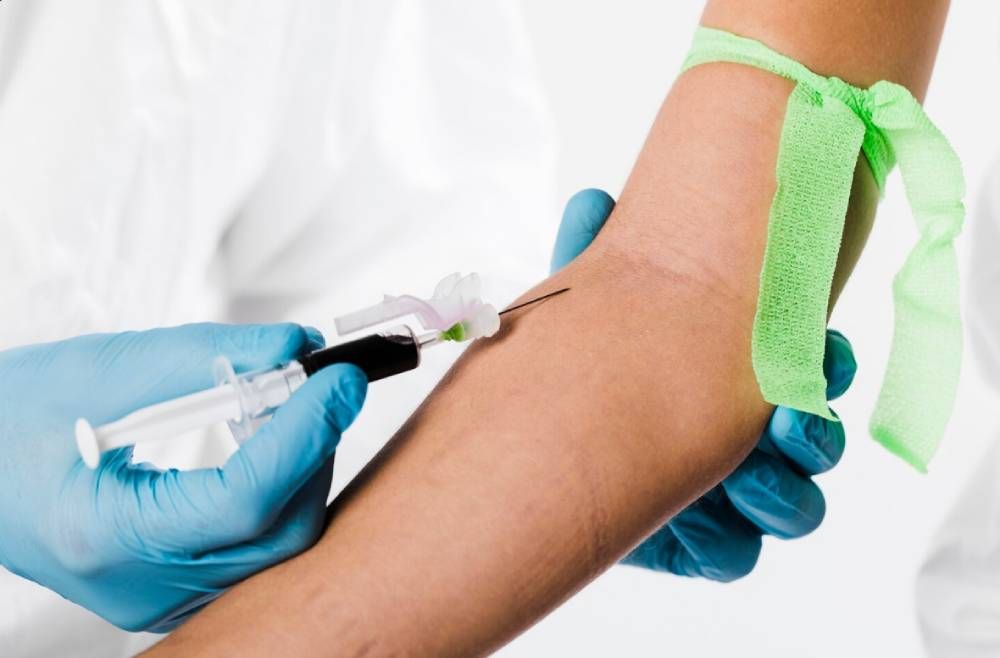
The gold standard required test for meningitis is a lumbar puncture, also called a spinal tap. A small needle collects cerebrospinal fluid (CSF) from the lower back. Analysing this fluid gives doctors a definitive answer.
What Does CSF Analysis Reveal?
Doctors examine the fluid for several markers:
- White blood cell count (elevated in infection)
- Glucose levels (low glucose suggests bacterial meningitis)
- Protein levels (elevated protein points to infection)
- Gram stain and cultures to identify the specific organism
- PCR testing to detect viral genetic material
Complementary Tests
Alongside the spinal tap, doctors may order:
- Complete Blood Count (CBC) test and blood cultures test
- C-reactive protein (CRP) test to measure inflammation
- CT or MRI scans to check for brain swelling before performing a lumbar puncture
Treatment should never be delayed while waiting for imaging results.
Bacterial vs. Viral Meningitis: A Quick Comparison
This table highlights the key differences between the two most common forms:
| Feature | Bacterial Meningitis | Viral Meningitis |
|---|---|---|
| Onset | Rapid, within hours | Gradual, over 1-2 days |
| Severity | Life-threatening emergency | Usually milder |
| CSF Glucose | Low | Normal |
| CSF Protein | Elevated | Mildly elevated |
| Treatment | Intravenous antibiotics | Supportive care in most cases |
How Does Paediatric Immunisation Help Prevent Meningitis?
Vaccines remain the strongest shield against bacterial meningitis. Key vaccines for children include:
- Hib vaccine, part of India's routine immunisation schedule
- Pneumococcal conjugate vaccine (PCV)
- Meningococcal vaccines (MenACWY and MenB), recommended for preteens and at-risk children
Good hygiene also helps. Regular handwashing, avoiding shared utensils, and keeping up with vaccination schedules all reduce risk.
Speak with your paediatrician about which vaccines your child needs based on their age and health status.
Conclusion
Recognising meningitis in children early can make the difference between full recovery and lasting complications. Trust your instincts as a parent. If your child has an unexplained fever with unusual behaviour, stiff neck, or a rash that does not fade, head to the emergency room without delay.
If you want to stay on top of your child's health, Lupin Diagnostics offers comprehensive blood tests and diagnostic panels at NABL-accredited labs across India, with convenient home collection options.
Frequently Asked Questions
How fast do meningitis symptoms appear in a child?
Bacterial meningitis symptoms can develop rapidly, often progressing within 24 hours. Viral meningitis tends to come on more gradually over a day or two.
Can a child fully recover from bacterial meningitis?
With early diagnosis and proper treatment, about 7 out of 10 children recover without complications. Outcomes depend on how quickly treatment begins and the specific organism involved.
Is a spinal tap painful and safe for young infants?
A lumbar puncture is a routine diagnostic procedure performed by trained doctors. Local anaesthesia is used to minimise discomfort, and the procedure is considered safe even for newborns.
How do doctors differentiate between viral and bacterial meningitis?
Doctors use the bacterial meningitis score, which evaluates CSF protein levels, Gram stain results, white blood cell counts, and whether the child had seizures. These markers help distinguish the two forms reliably.
What does the glass test for meningitis rash actually check?
The glass test checks whether a rash fades (blanches) when pressed. A rash caused by meningococcal septicaemia produces tiny red or purple marks that remain visible through the glass, signalling a medical emergency.
Can vaccines completely prevent all types of meningitis in children?
Vaccines significantly reduce the risk but cannot prevent every case. They protect well against specific bacterial strains, though viral and fungal forms are not covered by current vaccination programmes.
This article is for informational and educational purposes only. It does not substitute professional medical advice, diagnosis, or treatment. If you suspect your child has meningitis, seek emergency medical care immediately. Always consult a qualified healthcare provider for concerns about your child's health.
Featured Articles

Sleep Deprivation Effects How Poor Sleep Impacts Your Heart And Kidney Health
Posted on: 22nd Jan 2026

What A Complete Blood Count (CBC) Tells You About Your Health
Posted on: 22nd Jan 2026

Screen Time Fatigue And Vitamin D Deficiency The Hidden Connection You Shouldn T Ignore
Posted on: 22nd Jan 2026