Book a Home Collection Now!
Low Blood Pressure (Hypotension): Causes & Symptoms
November 11, 2026 - By Lupin Diagnostics
Have you ever stood up too fast and felt the room spin for a moment? That fleeting dizziness could be a sign of low blood pressure (hypotension), a condition where your reading falls below 90/60 mm Hg. While low BP is usually harmless on its own, certain low BP symptoms deserve attention. This article covers the causes, symptoms, types, and tests that help identify what is going on.
What Is Low Blood Pressure (Hypotension)?
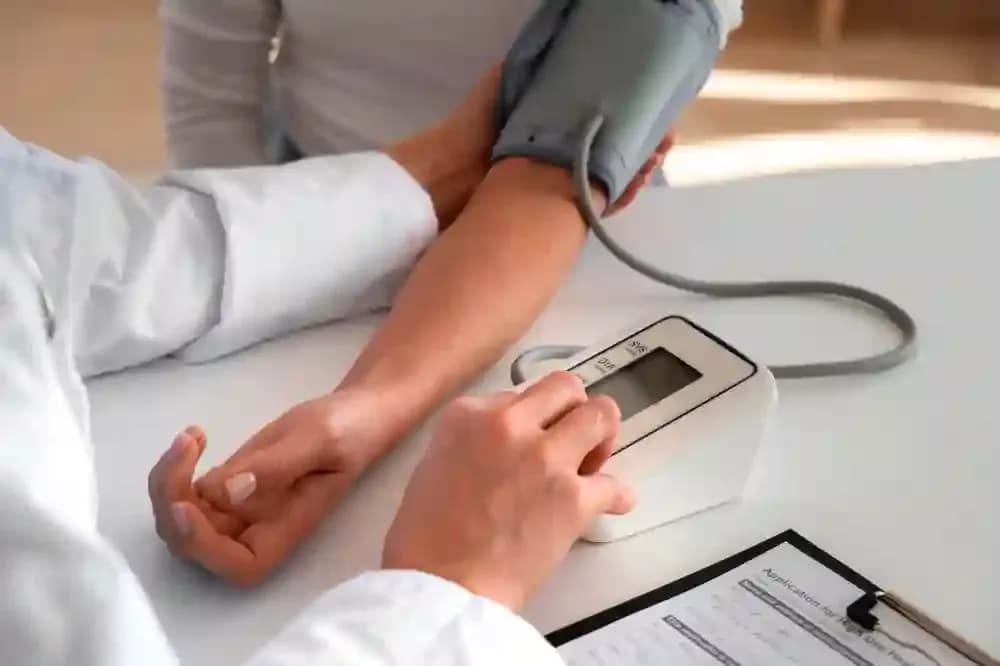
Low blood pressure means your blood pushes against artery walls with less force than usual. A reading has two numbers: systolic (pressure when your heart beats) and diastolic (pressure between beats). A reading below 90/60 mm Hg is considered hypotension.
There are two broad categories to know:
| Type | What It Means |
|---|---|
| Absolute hypotension | Your resting BP stays consistently below 90/60 mm Hg |
| Orthostatic (postural) hypotension | Your BP drops when you stand up or change position suddenly |
Many people live with naturally low BP without any trouble. It only becomes a concern when hypotension symptoms appear, such as dizziness or fainting. In orthostatic hypotension, these symptoms typically show up within three minutes of standing.
What Are the Most Common Low BP Symptoms?
The most frequent low BP symptoms are tied to reduced blood flow, especially to the brain. You might feel fine while sitting, then notice symptoms the moment you stand or shift position.
Here are the key warning signs to watch for:
1. Dizziness and Lightheadedness
Feeling unsteady or lightheaded is the most recognisable symptom. It happens because less blood reaches your brain when pressure drops. This is especially common after getting out of bed quickly.
2. Fainting (Syncope)
A sudden, sharp drop in BP can cause you to briefly lose consciousness. This is called syncope. It is more alarming than dangerous in most cases, but falls during fainting can lead to injuries.
3. Blurred or Tunnel Vision
When blood flow to the eyes dips, you may notice blurred or narrowed vision. This visual disturbance often appears alongside dizziness and typically passes within seconds.
4. Fatigue, Weakness, and Brain Fog
If your cells are not receiving enough oxygen, you may feel unusually tired or weak throughout the day. Difficulty concentrating, sometimes called brain fog, is another common complaint. Persistent fatigue alongside low readings warrants a check-up.
Also Read: Low BP vs High BP: Symptoms, Causes & Risks
What Causes Low Blood Pressure?
Several underlying factors can lower your BP. Understanding the hypotension causes helps your doctor find the right approach.
1. Dehydration and Low Fluid Volume
Losing fluids through sweat, vomiting, or diarrhoea reduces circulating blood volume. With less blood to pump, pressure naturally falls. Staying well hydrated, especially in India's hot climate, is one of the simplest preventive steps.
2. Nutritional Deficiencies (B12 and Folate)
A lack of vitamin B12 or folic acid can lead to anaemia, a condition where your body produces fewer red blood cells. Fewer red blood cells mean less oxygen delivery, which can lower BP. Vegetarians should pay attention to B12 intake, since it is mainly found in animal products, curd, and fortified foods.
3. Heart and Endocrine Conditions
Certain heart conditions affect how well blood is pumped. These include bradycardia (an abnormally slow heart rate), heart valve problems, and heart failure. Endocrine disorders such as thyroid dysfunction and Addison's disease (adrenal insufficiency) can also lower BP.
4. Medications
Some commonly prescribed medicines can cause BP to drop. These include diuretics, beta-blockers, medicines for Parkinson's disease, tricyclic antidepressants, and erectile dysfunction medicines. If you suspect your medication is affecting your BP, speak with your doctor before making any changes.
5. Pregnancy-Related Hypotension
During pregnancy, the circulatory system expands rapidly. This causes a natural dip in blood pressure, particularly in the first trimester. Diastolic BP often reaches its lowest around weeks 20 to 24, dropping by roughly 8 to 15 mm Hg.
Types of Hypotension: How Do They Differ?
Low blood pressure isn’t the same for everyone. Its type depends on when the blood pressure drops and what triggers it. The table below shows the different types:
| Type | Trigger | Who It Affects Most |
|---|---|---|
| Orthostatic (postural) | Standing up or changing position | Older adults, people on certain medicines |
| Postprandial | Eating a large meal | Older adults, those with autonomic disorders |
| Neurally mediated | Standing for long periods | Young adults and children |
| Severe (shock) | Major blood loss, infection, allergic reaction | Anyone, in emergency situations |
Classic orthostatic hypotension occurs within three minutes of standing. A delayed form can appear after three minutes, while an initial type lasts fewer than 15 seconds. Neurally mediated hypotension is common in younger people and stems from a miscommunication between the heart and brain during prolonged standing.
Also Read: Blood Pressure Range by Age & Gender: What's Normal?
When Is Low BP an Emergency?
Low BP on its own is rarely dangerous. However, certain red-flag symptoms signal a medical emergency, particularly shock. Seek immediate medical help if you notice:
- Cold, clammy skin or pale skin colour
- Rapid heart rate with shallow breathing
- Severe confusion or sudden anxiety
- Marked weakness or decreased urine output
- Bluish tint on lips or fingernails
Falls triggered by fainting are another serious risk. Head injuries from such falls can be severe, especially for older adults.
If someone loses consciousness or shows shock symptoms, call emergency services right away.
Which Diagnostic Tests Help Identify Low BP Causes?
Your doctor will use a combination of tests to find the root cause. Simply measuring BP is not enough; the goal is to understand why it is low.
Key tests include:
| Test | What It Checks |
|---|---|
| Complete Blood Count (CBC) Test | Detects anaemia (low red blood cells) |
| Serum Electrolytes Test | Assesses fluid and mineral balance |
| Thyroid Profile (TSH, T3, T4) Test | Rules out thyroid dysfunction |
| Morning Cortisol Test | Screens for adrenal insufficiency (Addison's disease) |
| Fasting Glucose Test / HbA1c Test | Checks blood sugar regulation |
| ECG (Electrocardiogram) | Identifies heart rhythm problems |
| Tilt Table Test | Evaluates how your body responds to position changes |
Your doctor will decide which tests are right for you based on your symptoms and history.
How Can You Manage Low Blood Pressure?
For most people, simple lifestyle changes make a real difference. Your doctor may recommend one or more of the following strategies:
- Stay hydrated. Drink water regularly, especially during summer or after physical activity.
- Increase dietary salt (under guidance). A small increase in sodium can help raise BP. Do this only if your doctor advises it, as excess salt has other health risks.
- Wear compression stockings. These support blood flow from your legs back to your heart and can reduce symptoms.
- Avoid sudden position changes. Rise slowly from bed or a chair. Sit at the edge of the bed for a few seconds before standing.
- Review your medicines. If a particular medicine is causing low BP, your doctor may adjust the dose or switch to an alternative.
Conclusion
Low blood pressure without symptoms is usually nothing to worry about. When symptoms like dizziness, fainting, or persistent fatigue appear, they point to an underlying cause worth investigating. Identifying that cause, whether it is dehydration, anaemia, a heart condition, or a medicine, is the first step toward feeling better.
If your doctor has recommended blood tests to evaluate your low BP symptoms, Lupin Diagnostics can help. Visit your nearest NABL-accredited Lupin Diagnostics centre or book a home sample collection for accurate, hassle-free testing.
Frequently Asked Questions
What is considered a dangerously low blood pressure reading?
A reading below 90/60 mm Hg is classified as hypotension. It becomes dangerous when accompanied by shock symptoms such as cold, clammy skin, confusion, or rapid shallow breathing.
What are the top 5 warning signs of low blood pressure?
The five main warning signs are dizziness, fainting, blurred vision, nausea or feeling sick, and general weakness. These tend to worsen when standing or changing position.
What blood tests are needed to check for low blood pressure?
Doctors typically recommend a CBC (for anaemia), serum electrolytes, a thyroid panel, and a morning cortisol test. An ECG may also be done to check heart rhythm.
Why does my blood pressure drop when I stand up quickly?
This is orthostatic hypotension. When you stand, gravity pulls blood to your legs, temporarily reducing flow to the brain. Your body usually adjusts within seconds, but sometimes the correction is too slow.
What should you eat or drink when your BP drops suddenly?
Drinking water is the simplest first step, since dehydration reduces blood volume. Salty snacks like namkeen or a glass of nimbu paani with a pinch of salt can also help. Consult your doctor for ongoing episodes.
Can dehydration cause your blood pressure to drop significantly?
Yes. Dehydration or significant fluid loss reduces the volume of blood circulating in your body. This makes it harder for your heart to maintain adequate pressure, leading to a noticeable BP drop.
This article is for informational and educational purposes only. It is not a substitute for professional medical advice, diagnosis, or treatment. Always consult a qualified healthcare provider for any questions about your health or before making changes to your diet or medications.
Featured Articles

Dehydrated How To Make A Lifesaving Diy Rehydration Drink For Cholera Recovery
Posted on: 22nd Jan 2026
Diabetes Screening For Diagnosis And Prevention
Posted on: 25th Oct 2023

Eating To Recover: The Best Foods For Getting Back On Your Feet After Cholera
Posted on: 22nd Jan 2026