Book a Home Collection Now!
Difference Between Latent TB and Active TB: Causes, Symptoms & Diagnosis
October 16, 2026 - By Lupin Diagnostics
Nearly a quarter of the world's population carries TB bacteria. Yet most never feel sick. Understanding the difference between latent TB and active TB matters because these two conditions behave differently. One stays silent; the other can spread and turn serious. This article breaks down their causes, symptoms, and how doctors distinguish between them.
At a Glance: What Are the Key Differences Between Latent TB and Active TB?
A quick comparison of latent TB vs active TB helps you see the contrast clearly:
| Feature | Latent TB Infection (LTBI) | Active TB Disease |
|---|---|---|
| Symptoms | None at all | Persistent cough, fever, weight loss, night sweats |
| Contagious? | Not contagious | Can infect 10-15 people per year |
| Chest X-ray | Usually normal | Often shows abnormalities |
| Skin test/IGRA | Positive | Positive |
| Treatment goal | Prevent future activation | Cure the disease and stop transmission |
The screening tests, the tuberculin skin test (TST) or the Interferon Gamma Release Assay (IGRA), are positive in both conditions. That is why additional tests are needed to confirm active disease. Your doctor will decide which tests are appropriate for your situation.
How Does Latent TB Infection Work?
When someone breathes in TB bacteria, the immune system often manages to contain them. It walls off the bacteria, keeping them dormant. This state is called latent TB, and it is active TB's quieter counterpart.
Here is what defines LTBI:
- The person carries Mycobacterium tuberculosis but shows zero symptoms.
- They cannot pass the infection to family, friends, or colleagues.
- Standard screening tests like TST or IGRA come back positive, but this alone does not confirm disease.
- Chest X-rays typically appear normal.
People with LTBI can work, attend school, and live normally. However, without preventive treatment, there is a 5-10% lifetime risk of the bacteria "waking up." That risk climbs sharply with certain health conditions.
Also Read: When to Get a TB Test? Symptoms & Diagnosis Explained
What Happens When TB Becomes Active?
Active TB develops when the immune system can no longer keep the bacteria in check. The bacteria begin multiplying and causing damage, most commonly in the lungs.
Common symptoms of active vs latent tuberculosis on the active side include:
- A cough lasting more than three weeks, sometimes with blood
- Unexplained weight loss and loss of appetite
- Fever and drenching night sweats
- Chest pain, tiredness, and shortness of breath
Without treatment, active TB can be fatal. It also spreads through the air when a person coughs, sneezes, or even talks. One untreated person can infect 10-15 others over a year through close contact.
What Causes Latent TB to Reactivate?
Several factors weaken the immune system to the point that dormant bacteria can multiply. An Indian systematic review found a pooled TB infection prevalence of 36% overall, with significantly higher rates among high-risk groups.
Key reactivation risk factors include:
- HIV infection — the single biggest risk factor worldwide
- Diabetes — prevalence among people with diabetes reached 53% in the Indian study
- Smoking and alcohol use — smokers showed 59% prevalence
- Malnutrition — weakens the body's natural defences
- Immunosuppressive medications — used after organ transplants or for autoimmune conditions
- Close contact with TB patients — 47% prevalence among household contacts
If you have any of these risk factors, speak with your doctor about TB screening. Early detection can make a significant difference.
How Do Doctors Diagnose Each Condition?
Diagnosis follows a step-by-step approach. Screening tests identify infection, while confirmatory tests distinguish active disease.
Step 1 — Screening for TB infection:
- TST (Mantoux test): A small injection under the skin of the forearm, read after 48-72 hours.
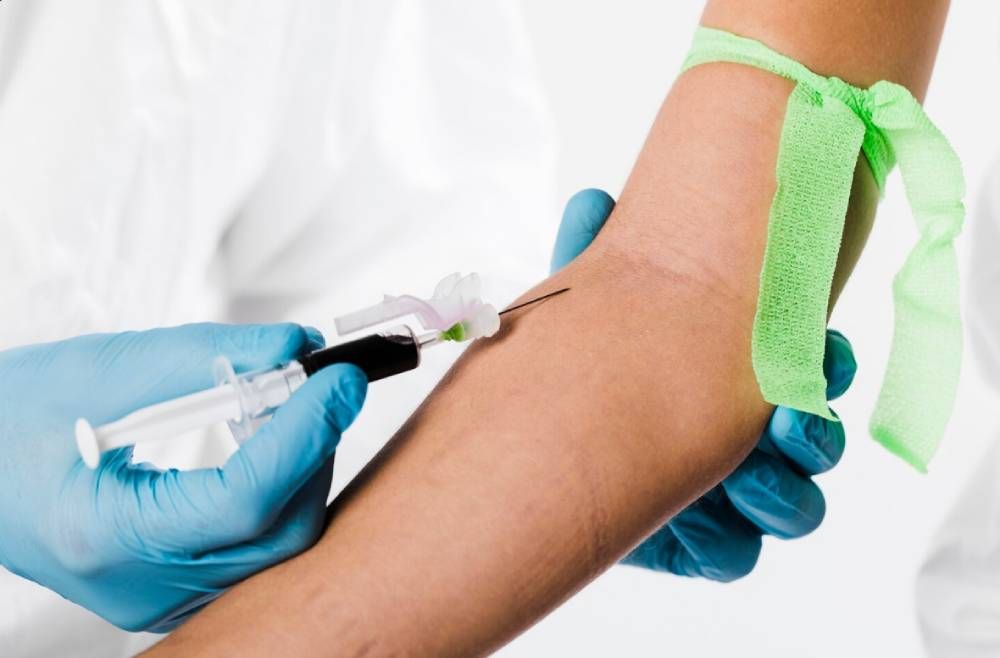
- IGRA (blood test): A single blood draw that measures immune response to TB proteins.
Both tests detect immune sensitisation. However, a positive result cannot on its own tell whether someone has latent or active TB.
Step 2 — Confirming active disease:
- Chest X-ray: Looks for lung abnormalities typical of TB.
- Sputum tests and molecular methods: Help confirm bacteria in the lungs.
Diagnosis should always be guided by a qualified healthcare professional who can interpret results in context.
Step 3 — Treatment decisions:
Latent TB is treated with shorter courses, typically 3-4 months, to prevent future activation. Active TB requires longer, multi-medicine regimens lasting four to nine months. Completing the full course is essential in both cases.
Also Read: TB Testing Guide: Culture, TB Gold, and GeneXpert
Why Early Detection of Latent TB and Active TB Matters
The difference between latent TB and active TB is not just medical — it is practical. Catching latent TB early and completing preventive treatment substantially cuts the risk of ever developing active disease. India carries a significant share of the global TB burden, making awareness even more critical here.
If you or a family member has risk factors for TB, timely screening can offer peace of mind. Lupin Diagnostics provides a range of diagnostic tests at NABL-accredited labs across India — a simple blood test could be your first step toward staying protected.
Frequently Asked Questions
Can latent TB turn into active TB years later?
Yes. The bacteria can stay dormant for years or even decades before reactivating. People with latent TB have a 5-10% lifetime risk of eventually developing active disease.
What is the lifetime risk of latent TB reactivating?
About 5-10% of people with latent TB will develop active disease at some point. This risk is higher for those with weakened immunity due to HIV, diabetes, or malnutrition.
Does a positive skin test mean active TB?
Not necessarily. A positive TST or IGRA only confirms exposure to TB bacteria. Additional tests, such as chest X-rays and sputum analysis, are needed to rule out active disease.
How do you stop latent TB from becoming active?
Preventive treatment with specific medicines for 3-4 months significantly reduces the risk. Your doctor will recommend the most suitable regimen for you.
Can you work or go to school with latent TB?
Absolutely. People with latent TB feel well, show no symptoms, and cannot spread the infection to others. Normal daily activities can continue without restriction.
Why do doctors treat latent TB if there are no symptoms?
Because treating latent TB is one of the most effective ways to prevent it from progressing to active, contagious disease, it protects both the individual and the community.
This article is for informational purposes only and does not constitute medical advice, diagnosis, or treatment. Please consult a qualified healthcare professional for any health concerns or before making decisions about TB screening or treatment.
Featured Articles
Diabetes Screening For Diagnosis And Prevention
Posted on: 25th Oct 2023

Eating To Recover: The Best Foods For Getting Back On Your Feet After Cholera
Posted on: 22nd Jan 2026

What A Complete Blood Count (CBC) Tells You About Your Health
Posted on: 22nd Jan 2026