Book a Home Collection Now!
How Non Invasive Prenatal Screening Nipt Detects Genetic Conditions Early
January 27, 2025 - By Lupin Diagnostics
Pregnancy is often described as a journey filled with joy, excitement, and anticipation. At the same time, it can bring understandable concerns about a baby’s health and development. Modern medicine now offers expectant parents advanced tools that provide early insight into a baby’s genetic well-being, long before birth. Among these, the NIPT test (Non-Invasive Prenatal Testing) has emerged as one of the most trusted and widely used options.
As a highly accurate form of prenatal genetic screening, the NIPT test allows early detection of certain chromosomal abnormalities using a simple maternal blood sample. Understanding what the NIPT test is, why the NIPT test is done, and how to interpret NIPT test results can help parents approach pregnancy with greater confidence, clarity, and preparedness.
What Is the NIPT Test? Understanding Modern Prenatal Genetic Screening
So, what exactly is the NIPT test, and why is it increasingly recommended as part of routine prenatal care?
The NIPT test is a non-invasive blood test that screens for specific chromosomal conditions in a developing fetus. Unlike traditional diagnostic tests such as amniocentesis or chorionic villus sampling (CVS), which require sampling amniotic fluid or placental tissue, the NIPT test involves no needles near the uterus and no risk to the baby.
This test is based on analysis of cell-free fetal DNA, making it a powerful cfDNA test. During pregnancy, small fragments of DNA from the placenta circulate naturally in the mother’s bloodstream. These fragments carry genetic information that reflects the baby’s chromosomes. By analyzing this cfDNA, laboratories can estimate whether the fetus has an increased likelihood of certain chromosomal abnormalities.
What makes the NIPT test remarkable is its combination of high accuracy, early timing, and complete safety, making it a preferred first-line prenatal genetic screening option worldwide.
Why Is the NIPT Test Done During Pregnancy?
Many parents ask why the NIPT test is recommended when conventional prenatal screening methods already exist. The answer lies in accuracy, safety, and early reassurance.
Key Reasons Why the NIPT Test Is Done
The NIPT test is done to:
- Screen for common chromosomal abnormalities
- Provide early genetic information from as early as the 10th week of pregnancy
- Reduce unnecessary invasive diagnostic procedures
- Support informed medical and personal decision-making
- Allow emotional and practical preparation if a condition is identified
Who Is Advised to Take the NIPT Test?
Doctors often recommend the NIPT test for:
- Women aged 35 years or older
- Pregnancies with abnormal ultrasound findings
- Parents with a known family history of genetic disorders
- Couples with a previous pregnancy affected by chromosomal abnormalities
- IVF pregnancies or twin pregnancies
Today, many women with low-risk pregnancies also choose the NIPT test because of its reliability and peace of mind.
How Does the NIPT Test Work? A Look at the cfDNA Test Process
Understanding how the NIPT test works can help reduce anxiety around testing.
During pregnancy, the placenta continuously releases tiny fragments of fetal DNA into the mother’s blood. This cfDNA test analyzes these fragments using sophisticated genomic sequencing and bioinformatics tools.
Step-by-Step NIPT Test Process
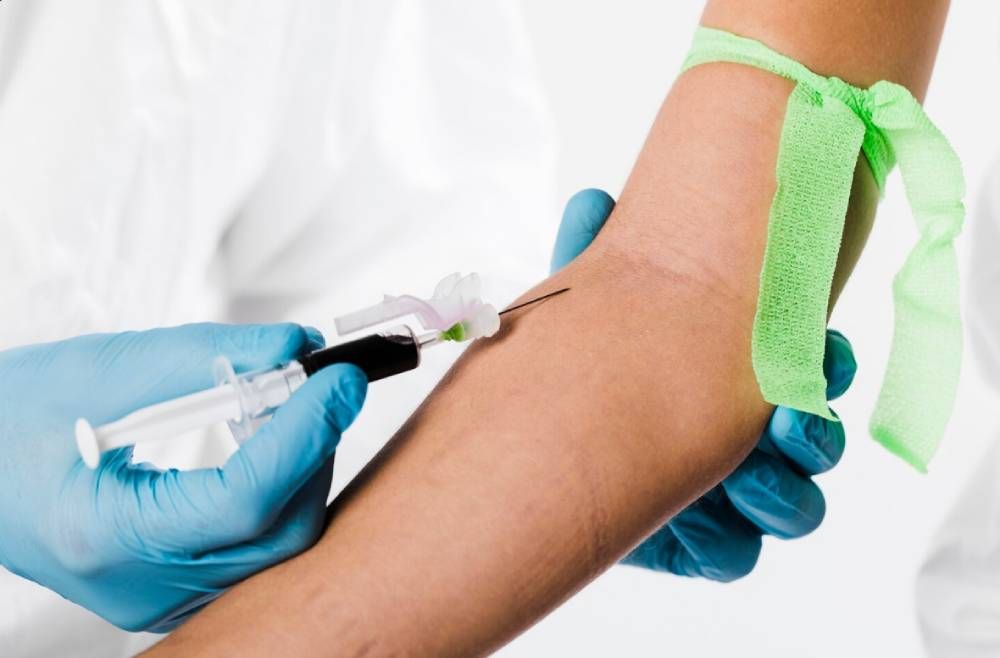
- A blood sample is collected from the pregnant mother, usually between weeks 10 and 13
- The laboratory isolates cell-free fetal DNA from maternal DNA
- Chromosomal material is analyzed to detect extra or missing chromosomes
- Results are reported as low risk, high risk, or inconclusive within 7–10 days
It is important to remember that the NIPT test is a screening test, not a diagnostic one. A high-risk result indicates probability, not certainty, and requires confirmation through diagnostic testing.
Which Chromosomal Abnormalities Can the NIPT Test Detect?
The NIPT test is highly sensitive and specific for detecting the most common chromosomal abnormalities.
Chromosomal Conditions Screened by the NIPT Test
- Down syndrome (Trisomy 21): Caused by an extra chromosome 21; the most common chromosomal condition
- Edwards syndrome (Trisomy 18): Associated with severe developmental delays and medical complications
- Patau syndrome (Trisomy 13): Linked with serious birth defects and reduced survival
- Sex chromosome abnormalities, including:
- Turner syndrome (X0)
- Klinefelter syndrome (XXY)
- Triple X (XXX) and XYY syndromes
Some expanded prenatal genetic screening panels may also include select microdeletions or rare conditions, depending on the laboratory and test design.
How to Read NIPT Test Results Correctly
Receiving NIPT test results can be an emotional experience. Knowing how to read NIPT test results helps avoid unnecessary fear or misunderstanding.
Types of NIPT Test Results
- Low-risk result: The chance of the tested chromosomal abnormalities is very low
- High-risk result: Increased likelihood of a chromosomal abnormality; diagnostic confirmation is required
- Inconclusive result: Often due to low fetal DNA fraction; repeat testing may be recommended
A healthcare provider or genetic counselor will always interpret NIPT test results in the context of clinical findings.
How to Read NIPT Test Results for Gender
One of the most anticipated aspects of pregnancy is learning the baby’s sex. The NIPT test can determine fetal gender by identifying sex chromosomes in the cfDNA sample.
- Presence of XY chromosomes suggests a male fetus
- Presence of XX chromosomes suggests a female fetus
Because this information is derived from fetal DNA, the NIPT test offers one of the earliest and most accurate methods for gender determination, often as early as week 10. However, its primary purpose remains medical screening.
NIPT Test vs Traditional Prenatal Screening Methods
Understanding NIPT test vs traditional prenatal screening helps parents make informed choices.
Traditional Prenatal Screening
- Combines maternal blood markers and ultrasound findings
- Lower detection rates
- Higher false-positive results
- Often requires follow-up invasive testing
NIPT Test
- Based on cfDNA analysis
- Detects over 99% of Down syndrome cases
- Much lower false-positive rates
- Completely non-invasive and safer
For many families, the NIPT test represents a major advancement in prenatal genetic screening.
What the NIPT Test Cannot Detect
Despite its strengths, the NIPT test has limitations.
What NIPT Cannot Detect
- Structural birth defects (e.g., heart or spine defects)
- Neural tube defects
- Many single-gene disorders
- All rare chromosomal rearrangements
- Some mosaic genetic conditions
This is why ultrasound and diagnostic testing remain essential parts of prenatal care.
Counseling and Preparation for Expectant Parents
Genetic screening can bring emotional, ethical, and psychological considerations. Proper counseling is a critical part of the NIPT test journey.
Role of Genetic Counseling
- Helps parents understand prenatal genetic screening results
- Explains probabilities, limitations, and next steps
- Provides emotional support
- Assists families in making informed, value-based decisions
Genetic counseling ensures that parents are supported, informed, and empowered.
What Happens If NIPT Test Results Are Positive?
If the NIPT test indicates a high risk for chromosomal abnormalities, next steps may include:
- Referral to a genetic counselor
- Diagnostic confirmation via CVS or amniocentesis
- Detailed fetal ultrasound
- Individualized pregnancy care planning
- Emotional and psychological support
Early detection allows families to plan medical care and support well in advance.
Benefits of the NIPT Test
The NIPT test has transformed prenatal care due to:
- Complete safety for mother and baby
- High accuracy for chromosomal abnormalities
- Early testing timeline
- Reduced need for invasive procedures
- Applicability to singleton and twin pregnancies
- Greater peace of mind for expectant parents
The Future of Prenatal Genetic Screening
As technology advances, the NIPT test is expected to expand its scope, detecting more conditions with improved accuracy and accessibility. It is increasingly viewed as the future standard of prenatal genetic screening, helping ensure healthier starts for babies worldwide.
The NIPT test represents a major milestone in prenatal care. By combining advanced cfDNA testing with non-invasive sampling, it enables early detection of chromosomal abnormalities while keeping both mother and baby safe. Understanding the purpose, process, and interpretation of the NIPT test allows expectant parents to navigate pregnancy with confidence, preparedness, and peace of mind.
Featured Articles

Dehydrated How To Make A Lifesaving Diy Rehydration Drink For Cholera Recovery
Posted on: 22nd Jan 2026
Diabetes Screening For Diagnosis And Prevention
Posted on: 25th Oct 2023

Eating To Recover: The Best Foods For Getting Back On Your Feet After Cholera
Posted on: 22nd Jan 2026