Book a Home Collection Now!
Homocysteine Test - Purpose, Results, and Normal Range
June 2, 2026 - By Lupin Diagnostics
What Is the Homocysteine Test?
A homocysteine test is a simple blood test that measures plasma homocysteine levels to flag potential nutritional gaps or health risks. That makes this test a useful tool for screening for vitamin B12 deficiency as well.
Your body produces homocysteine during protein metabolism. It is not something you get from food. Instead, it forms when your body breaks down methionine, an amino acid found in everyday protein sources like dal, paneer, and eggs. Normally, vitamins B12, B6, and folate (B9) convert homocysteine into other useful substances. When these vitamins run low, homocysteine builds up in the blood.
What Is the Primary Purpose of the Homocysteine Test?
Doctors do not order this test routinely for everyone. The purpose of the homocysteine test usually comes into play under specific circumstances, such as:
- Unexplained blood clots or early stroke: Elevated homocysteine can promote clot formation. A test helps identify this hidden cardiovascular risk factor.
- Heart disease risk assessment: Patients already at high cardiac risk may benefit from knowing homocysteine levels in their body.
- Newborn screening for homocystinuria: This rare genetic disorder prevents the body from breaking down homocysteine normally.
- Detecting hidden B-vitamin deficiency: Vegetarians, older adults, and those with poor absorption may have low B12 or folate without obvious symptoms.
Who Is Most at Risk for Elevated Homocysteine?
Certain groups face a higher chance of elevated amino acid levels in the blood:
- Strict vegetarians and vegans who may not get enough B12 from their diet alone
- Individuals with the MTHFR gene mutation, which can impair folate processing and raise homocysteine, especially when folate intake is also low
- People who consume alcohol heavily, as chronic use depletes B vitamins
- Regular smokers, who tend to have lower B-vitamin levels
How Should You Prepare for the Homocysteine Test?
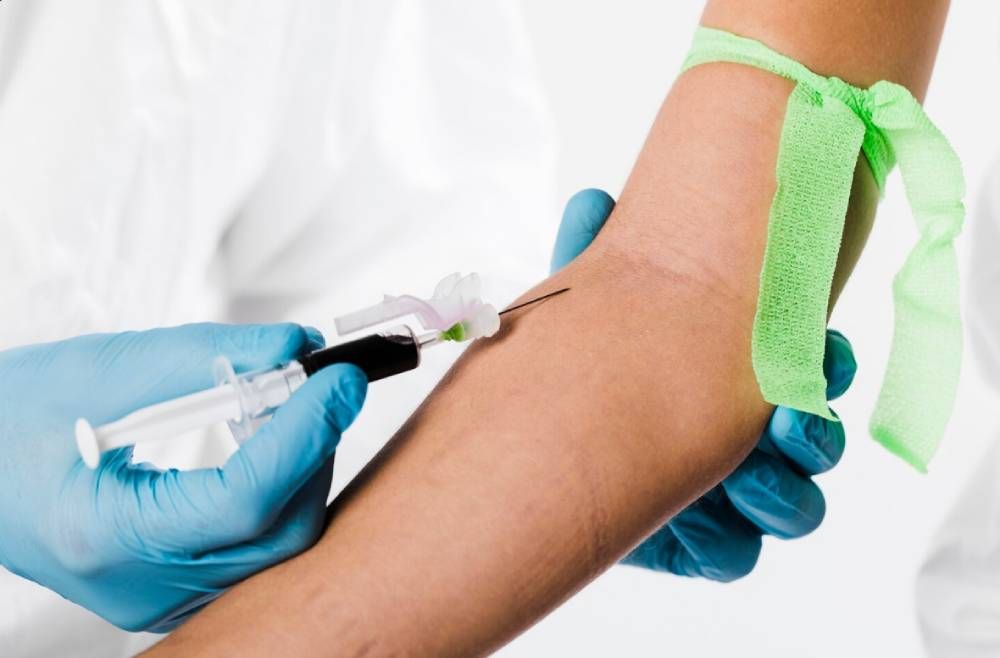
The procedure is straightforward. A trained phlebotomist draws a small blood sample, typically from a vein in your arm. Here is what to expect:
- Your doctor will ask you to fast for 8 to 12 hours before the test.
- A tourniquet is tied around your upper arm to make the vein visible.
- The phlebotomist cleans the area and inserts a needle to collect the sample.
- The sample is sent to the lab for analysis of your plasma homocysteine level.
Fasting matters here because eating protein-rich foods can temporarily spike amino acid levels. This could give a misleadingly high reading.
What Is the Homocysteine Test Normal Range?
Homocysteine is measured in micromoles per litre (μmol/L). The accepted normal range is 5–15 μmol/L. Anything above 15 μmol/L is classified as hyperhomocysteinaemia.
Within this range, lower is generally safer for your blood vessels.
Your doctor can best interpret your specific result based on your overall health profile.
How Should You Interpret Your Homocysteine Test Results?
Your homocysteine test results fall into clear categories. The table below maps out the severity classifications:
| Category | Level (μmol/L) | What It Suggests |
|---|---|---|
| Normal | 5 to 15 | Healthy range; B vitamins are doing their job |
| Moderate elevation | 15 to 30 | Possible B-vitamin shortage, requiring further investigation |
| Intermediate elevation | 30 to 100 | Significant concern; medical evaluation needed |
| Severe elevation | Above 100 | May indicate genetic conditions such as homocystinuria |
These classifications are for reference only. Please discuss your report with a qualified healthcare professional.
Health Risks Linked With High Homocysteine
Elevated homocysteine acts as a cardiovascular risk factor and affects multiple systems:
- Arterial damage: High levels can injure the inner lining of blood vessels, promoting plaque buildup.
- Blood clots and deep vein thrombosis (DVT): Excess homocysteine encourages abnormal clotting.
- Cognitive decline: Research links elevated levels to a higher risk of dementia in older adults.
- Pregnancy complications: These include recurrent pregnancy loss and pre-eclampsia.
How Can You Lower Elevated Homocysteine Levels Naturally?
If your results come back high, here are some steps worth discussing with your doctor:
- Increase folate and B12 intake through foods such as spinach, methi, fortified cereals, curd, and eggs. Vitamin B12 deficiency screening can help identify gaps early.
- Consider supplementation, as studies show folic acid supplements can reduce homocysteine by approximately 25%. Always consult your doctor before starting any supplements.
- Cut back on alcohol, which depletes the B vitamins your body needs.
- Quit smoking, as it lowers your overall B vitamin status.
Conclusion
A single blood test can reveal whether this common amino acid is putting your heart, brain, or blood vessels at risk. Catching elevated homocysteine early means you can correct nutritional gaps with simple dietary shifts or supplements, well before serious complications develop.
If you would like to check your homocysteine levels, Lupin Diagnostics offers this test at NABL-accredited labs and home collection centres across India. Book a health check-up today for peace of mind.
Frequently Asked Questions
What is the ideal value within the homocysteine test normal range?
The homocysteine test normal range is considered between 5 and 15 μmol/L. However, it is always best to consult a doctor, as they can interpret your homocysteine levels in the context of your overall health, medical history, symptoms, and other test results.
Is fasting strictly required before a homocysteine blood test?
Yes, fasting for 8 to 12 hours is typically needed. Protein from recent meals can temporarily raise amino acid levels, which may affect accuracy.
How does a vitamin B12 deficiency cause high homocysteine levels?
Your body needs B12 to convert homocysteine back into methionine. Without enough B12, homocysteine accumulates in the bloodstream.
Can the MTHFR gene mutation alter my homocysteine test results?
Yes. MTHFR gene variants can impair how your body processes folate. This may lead to mildly elevated homocysteine, especially if folate intake is also low.
Can a lifestyle change rapidly lower high homocysteine levels?
B-vitamin supplementation can bring levels down within weeks. Dietary changes alone tend to work more gradually and may take longer to show results.
Disclaimer
This article is for informational and educational purposes only. It is not a substitute for professional medical advice, diagnosis, or treatment. Please consult a qualified healthcare provider for any health concerns or before making changes to your diet or medication.
Featured Articles
Diabetes Screening For Diagnosis And Prevention
Posted on: 25th Oct 2023

Eating To Recover: The Best Foods For Getting Back On Your Feet After Cholera
Posted on: 22nd Jan 2026

What A Complete Blood Count (CBC) Tells You About Your Health
Posted on: 22nd Jan 2026