Book a Home Collection Now!
Graves' Disease: Symptoms, Causes and Risk Factors
September 11, 2026 - By Lupin Diagnostics
Have you noticed your heart racing, hands trembling, or weight dropping for no clear reason? Graves' disease could be behind these signs. This autoimmune condition pushes your thyroid into overdrive, flooding your body with excess hormones. Recognising it early makes a real difference. Here is what you need to know about its symptoms, causes, and risk factors.
What Is Graves' Disease?
Your immune system normally protects you from infections. In Graves' disease, it makes a mistake. It produces antibodies that attack the thyroid gland. This forces the thyroid to release far more hormones than your body needs. The result is hyperthyroidism, a state where your metabolism speeds up significantly.
This condition is the leading cause of hyperthyroidism. It accounts for 50–80% of all hyperthyroid cases. It can affect the heart, eyes, skin, bones, and muscles. Young and middle-aged women face a higher risk, though anyone can develop it.
What Are the Key Graves' Disease Symptoms?
When your thyroid overproduces hormones, nearly every system in your body feels the impact. Graves' disease symptoms can range from subtle to severe.
Classic Systemic and Physical Symptoms
These are the most common signs of an overactive thyroid:
- Rapid heartbeat or palpitations, sometimes with irregular rhythm
- Anxiety, irritability, and fine tremors in the hands
- Unexplained weight loss despite eating more than usual
- Heat intolerance and excessive sweating
- Warm, moist skin and an enlarged thyroid, called a goitre
Graves' Ophthalmopathy (Thyroid Eye Disease)
Eye involvement affects roughly 25–50% of people with this condition. Common eye-related symptoms include:
- Bulging eyes, medically known as proptosis
- A feeling of pressure or grittiness behind the eyes
- Double vision and sensitivity to light
- Swelling or redness around the eyelids
Graves' Dermopathy (Pretibial Myxoedema)
Skin changes are relatively rare, occurring in about 0.5–4.3% of patients. Typical skin symptoms include:
- Reddish, thickened patches on the shins or tops of the feet
- Rough, lumpy texture resembling orange peel
- This tends to appear alongside thyroid eye disease
Read Also: Thyroid Disorder Symptoms: Early Warning Signs You Shouldn't Ignore
What Causes Graves' Disease?
The root cause of Graves' disease lies in a faulty immune response. Your body produces a specific antibody called thyroid-stimulating immunoglobulin (TSI). This antibody mimics the normal thyroid-stimulating hormone. It locks onto receptors on thyroid cells, forcing them to produce excess hormones continuously.
Key Risk Factors of Graves’ Disease
Several factors raise your likelihood of developing this autoimmune thyroid disorder:
- Sex and age: Women are far more likely to be affected, especially during young or middle adulthood
- Family history: The condition often runs in families, suggesting a genetic link
- Other autoimmune conditions: Having Type 1 diabetes or rheumatoid arthritis increases your risk
- Stress and lifestyle: Severe emotional stress and smoking are known environmental triggers
- Pregnancy: The postpartum period can precipitate the condition
- Infections and iodine exposure: Both can act as triggers in predisposed individuals
How Do Doctors Diagnose Graves' Disease?
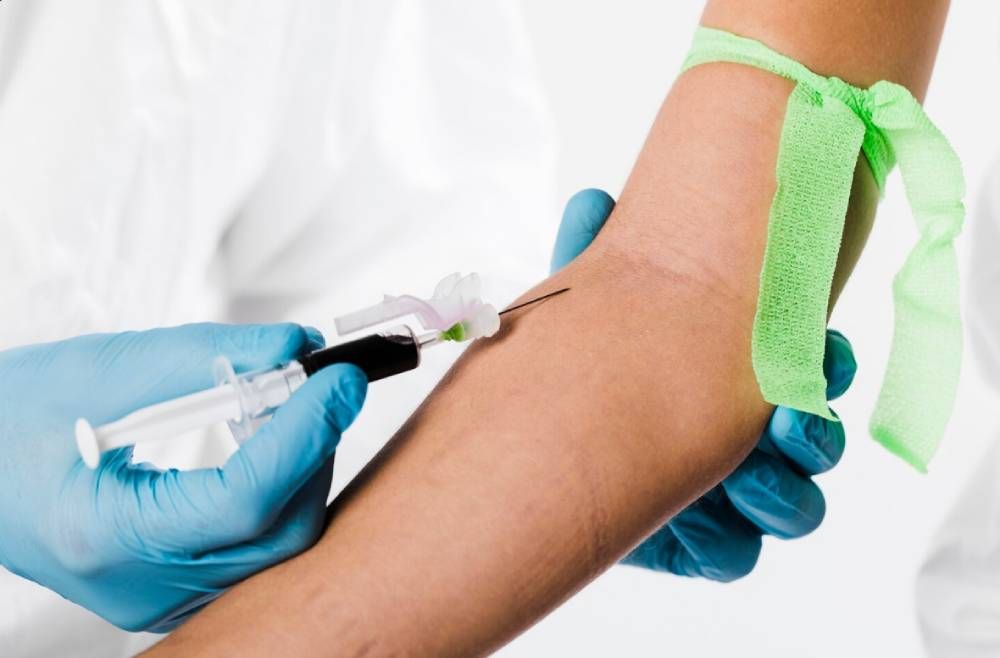
If your doctor suspects an overactive thyroid, a few tests can confirm the diagnosis. The typical workup includes:
- Blood tests: Checking TSH levels alongside free T3 and T4 hormones. Low TSH with high T3/T4 points to hyperthyroidism
- Antibody tests: Measuring TSI or TSH receptor antibodies helps confirm Graves' disease specifically
- Radioactive iodine uptake scan: This imaging test shows how actively the thyroid absorbs iodine. High, even uptake is characteristic of this condition
Your doctor will choose tests based on your individual symptoms and medical history.
Also Read: Signs And Symptoms Of Autoimmune Disease
Graves’ Disease Management & Treatment Options
Once diagnosed, three well-established treatment approaches are available. Your doctor will recommend one based on your health profile and preferences.
| Treatment | How It Works | Key Consideration |
|---|---|---|
| Antithyroid medicines | Block excess hormone production | Often the first-line approach |
| Radioactive iodine therapy | Shrinks the overactive thyroid | May lead to an underactive thyroid later |
| Surgery (thyroidectomy) | Removes part or all of the thyroid | Requires lifelong thyroid hormone replacement |
| Beta-blockers | Ease rapid heartbeat and tremors quickly | Manage symptoms, not the underlying cause |
Treatment decisions should always be made with a qualified endocrinologist.
Potential Complications of Untreated Graves’ Disease
Left untreated, hyperthyroidism can lead to serious health problems:
- Heart complications like atrial fibrillation and heart failure
- Weakened bones and a higher risk of fractures
- Pregnancy-related complications for both mother and baby
- Thyroid storm, a rare but life-threatening emergency with high fever, rapid heartbeat, and confusion. Mortality from thyroid storm is approximately 10%
Conclusion
Graves' disease is a lifelong condition, but timely treatment can restore normal thyroid function. The most important step is recognising the symptoms early. Whether it is unexplained weight loss, eye changes, or a racing pulse, do not ignore these signals.
If you would like to get your thyroid levels checked, Lupin Diagnostics offers comprehensive thyroid profiles at NABL-accredited labs across India, with home collection available for your convenience.
Frequently Asked Questions
Can Graves' disease go into remission without surgery or radiation?
Yes, antithyroid medicines can lead to remission in some patients. Studies suggest that longer treatment duration improves the chances of remission, though outcomes vary from person to person.
Is Graves' disease considered a life-threatening condition?
It is not typically life-threatening when diagnosed and treated promptly. However, untreated cases can progress to thyroid storm, which carries significant health risks.
What triggers a Graves' disease flare-up after treatment?
Common triggers include emotional stress, smoking, infections, excess iodine intake, and the postpartum period. Managing these factors can help reduce flare-up risk.
Does Graves' disease always cause bulging eyes?
It does not. Only about 25–50% of patients develop thyroid eye disease. Many people with Graves' disease have no eye involvement at all.
How does smoking affect the progression of Graves' eye disease?
Smoking is the most important modifiable risk factor for Graves' ophthalmopathy. It significantly increases the odds of developing or worsening eye symptoms.
Can stress directly trigger the onset of Graves' disease?
Emotional stress is recognised as a precipitating factor. While it may not be the sole cause, it can trigger the condition in people who are already genetically predisposed.
This article is for informational purposes only and does not constitute medical advice, diagnosis, or treatment. Always consult a qualified healthcare professional for any concerns about your health or before making changes to your treatment plan.
Featured Articles

Dehydrated How To Make A Lifesaving Diy Rehydration Drink For Cholera Recovery
Posted on: 22nd Jan 2026
Diabetes Screening For Diagnosis And Prevention
Posted on: 25th Oct 2023

Eating To Recover: The Best Foods For Getting Back On Your Feet After Cholera
Posted on: 22nd Jan 2026