Book a Home Collection Now!
Foods That Naturally Help Increase Haemoglobin Levels
April 22, 2026 - By Lupin Diagnostics
Feeling tired all the time, even after a full night's sleep? One possible explanation is low haemoglobin. Haemoglobin is important for maintaining your energy, supporting your organs, and keeping you healthy in general. Diet is one of the most important factors affecting haemoglobin levels. Adding foods that increase haemoglobin levels to a balanced diet can help the body work better on its own. This article looks at the signs and causes of low haemoglobin, as well as the foods you can eat every day to help keep your haemoglobin levels healthy.
What Is Haemoglobin and Why Does It Matter?
Haemoglobin is a protein inside your red blood cells. Its primary job is to carry oxygen from your lungs to every tissue in your body. When haemoglobin drops, your blood cannot deliver enough oxygen. That is when fatigue, weakness, and breathlessness creep in.
Iron deficiency alone accounts for approximately 60% of all anaemia cases worldwide. In India, the problem is widespread: about 52% of pregnant women are anaemic. So understanding how to increase haemoglobin naturally is genuinely important.
What Are the Signs of Low Haemoglobin Levels?
Your body usually signals when haemoglobin is running low. Watch for these common symptoms:
- Constant fatigue and weakness
- Pale skin, especially around the nails and eyes
- Shortness of breath during routine activities
- Dizziness or lightheadedness, particularly when standing up
- Rapid heartbeat, even at rest
These symptoms point to reduced oxygen reaching your organs. In children, low haemoglobin can affect both cognitive and physical development.
If you notice persistent symptoms, please consult a healthcare professional for proper evaluation.
What Causes Low Haemoglobin?
Low haemoglobin has several possible triggers. Knowing the cause helps you choose the right diet for low haemoglobin. Common causes include:
- Iron deficiency: The single most common reason
- Vitamin B12 or folate deficiency: Both vitamin B12 and folate are essential for red blood cell production
- Blood loss due to heavy periods, injuries, or internal bleeding
- Chronic illnesses: Certain long-term conditions, such as chronic kidney disease, affect blood cell production
- Poor nutrition: Skipping meals or mostly eating processed food
Which Foods Naturally Help Increase Haemoglobin Levels?
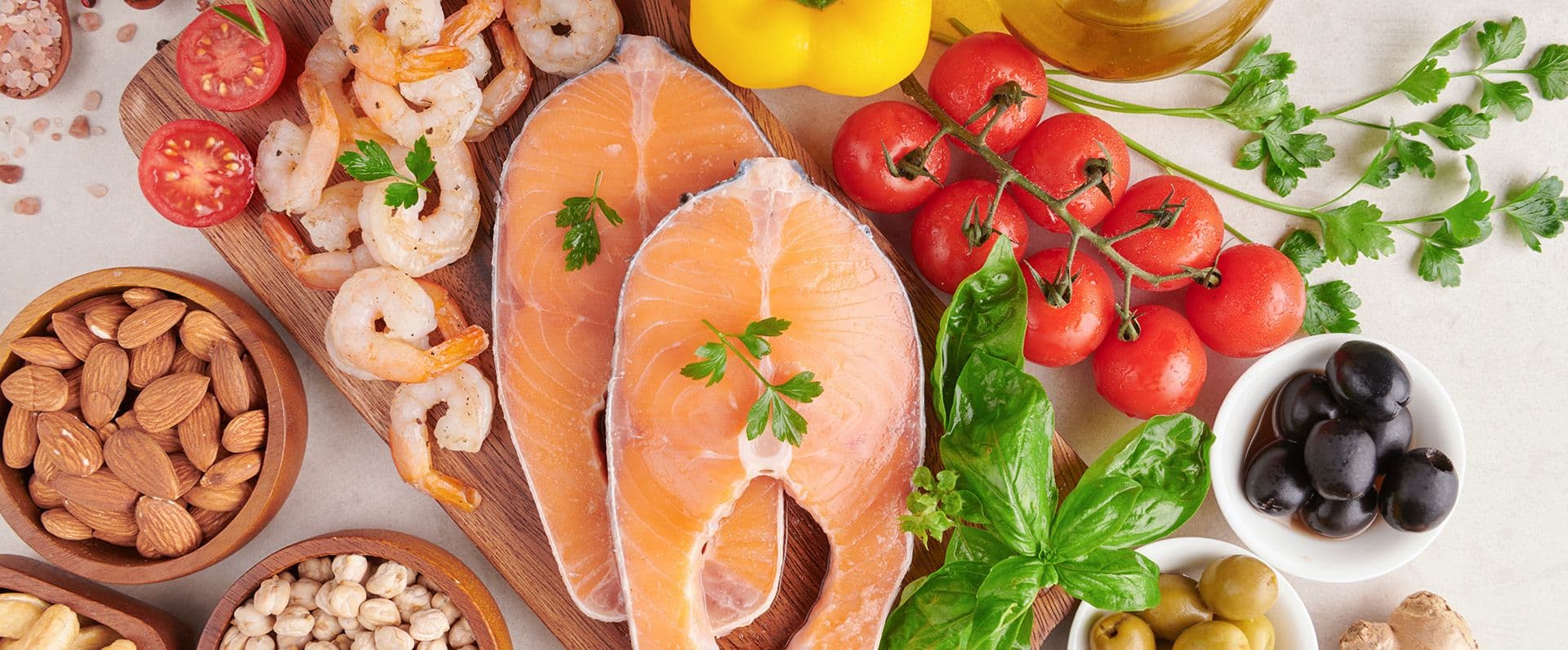
Building your plate with iron-rich foods to support haemoglobin production is a practical first step. Here are the top food groups to focus on:
1. Leafy Greens and Vegetables
Spinach (palak), methi, and broccoli are rich in non-heme iron and folate. A simple palak dal or methi paratha adds iron without changing your routine. Dark leafy greens are among the best vegetarian sources.
2. Legumes and Beans
Dal, rajma, chana, and sprouts deliver both iron and plant-based protein. Most Indian kitchens already cook these daily, a helpful advantage.
3. Meat, Poultry, and Seafood
For non-vegetarians, lean meat and seafood are the richest sources of heme iron. Heme iron is absorbed more efficiently than plant-based iron. Chicken liver, fish, and eggs are practical everyday options.
4. Nuts, Seeds, and Fruits
Almonds, pumpkin seeds, and til (sesame seeds) are good snacks that give you more iron. Pomegranates are one of the fruits that have both iron and vitamin C. Amla, oranges, and lemons are examples of citrus fruits that help your body absorb iron better.
5. Iron-Fortified Foods and Whole Grains
Many atta brands and breakfast cereals are now fortified with iron. Whole grains such as bajra, ragi, and jowar also provide non-heme iron. These are practical foods to boost haemoglobin naturally through everyday cooking.
How Can You Improve Haemoglobin Naturally?
Knowing how to increase haemoglobin naturally goes beyond food choices. These habits make a real difference:
- Pair iron with vitamin C: Squeeze lemon over dal or eat amla with meals. Vitamin C-rich foods such as tomatoes and bell peppers increase non-heme iron absorption.
- Skip tea and coffee with meals: Black tea can lower the amount of iron your body absorbs by about 21%. You can drink your chai an hour before or after a meal.
- Cook in an iron kadhai or tawa: Traditional iron cookware can add small amounts of iron to your food.
- Eat balanced, varied meals: Include a mix of grains, vegetables, protein, and fruits every day.
Dietary changes work best when you get help from a professional. Talk to your doctor about a plan that works for you.
When Should You See a Doctor?
While dietary changes can support healthy haemoglobin levels, they may not be able to replace medical treatment for moderate-to-severe anaemia. Consult a healthcare professional if:
- Your haemoglobin does not improve despite weeks of dietary changes.
- You experience severe fatigue, chest pain, or persistent dizziness.
- You notice unusual paleness or a rapid heartbeat regularly.
If haemoglobin doesn't respond within 4–8 weeks, a doctor should evaluate the underlying cause and adjust the approach. Self-treatment alone is not advisable for confirmed anaemia.
Conclusion
A plate loaded with haemoglobin-increasing foods such as dal, leafy greens, fortified grains, and vitamin C-rich fruits can meaningfully support your iron levels over time. Small, consistent changes at every meal add up. Pair these foods wisely, limit tea during meals, and stay attentive to your body's signals.
If you would like to check your haemoglobin or iron levels, Lupin Diagnostics offers comprehensive blood tests at NABL-accredited labs and convenient home collection across India.
Frequently asked questions
1. What foods increase haemoglobin levels quickly?
Lean meat, chicken liver, and seafood provide heme iron, which the body absorbs more efficiently than non-heme iron from plant sources. Pairing these or vegetarian iron sources with vitamin C further speeds up iron absorption.
2. Which fruit is best for increasing haemoglobin?
Citrus fruits such as oranges and amla are particularly helpful because their vitamin C content enhances iron absorption from other foods eaten alongside them.
3. Can diet help improve low haemoglobin levels?
Yes, a diet rich in iron, vitamin B12, and folate supports haemoglobin production. However, moderate-to-severe anaemia may need medical treatment beyond diet alone.
4. How long does it take to increase haemoglobin naturally?
With consistent dietary changes or treatment, haemoglobin may take up to three months to normalise. Fully replenishing iron stores can take even longer.
5. Are iron-rich foods enough to treat anaemia?
For mild cases, dietary improvements can help significantly. If levels do not improve within 4–8 weeks, a doctor should evaluate the cause and consider additional treatment.
6. What foods should be avoided if haemoglobin is low?
Avoid drinking black tea or coffee with meals, as tannins reduce iron absorption. Calcium-rich foods consumed alongside iron-rich foods may also lower iron absorption.
7. Is pomegranate good for increasing haemoglobin?
Pomegranate contains iron and vitamin C, both of which support iron status. However, strong clinical evidence specifically linking it to improvements in haemoglobin remains limited.
8. Which vegetables are best for boosting haemoglobin?
Dark leafy greens such as spinach and methi are among the best vegetable sources of non-heme iron. Pairing them with lemon or amla helps improve iron absorption.
Disclaimer
This article is for informational and educational purposes only. It does not substitute professional medical advice, diagnosis, or treatment. If you have concerns about your haemoglobin levels or overall health, please consult a qualified healthcare provider.
Featured Articles
Dehydrated How To Make A Lifesaving Diy Rehydration Drink For Cholera Recovery
Posted on: 22nd Jan 2026
Diabetes Screening For Diagnosis And Prevention
Posted on: 25th Oct 2023
Eating To Recover: The Best Foods For Getting Back On Your Feet After Cholera
Posted on: 22nd Jan 2026