Book a Home Collection Now!
Fetal Hemoglobin Hb F Test: Why It Is Important
September 18, 2024 - By Lupin Diagnostics
Hemoglobin is the iron-rich protein in red blood cells that carries oxygen from the lungs to the rest of the body. While adults mainly have adult hemoglobin (Hb A), babies in the womb depend on a special type called fetal hemoglobin (Hb F). Understanding what fetal hemoglobin is, why it matters, and how the fetal hemoglobin test helps diagnose blood disorders is vital for both pediatric and adult healthcare.
What Is Fetal Hemoglobin?
Fetal hemoglobin is a unique type of hemoglobin found in fetuses and newborns. It enables the developing baby to draw oxygen efficiently from the mother’s blood while in the womb.
At birth, a baby’s fetal hemoglobin level is very high, making up nearly 70–90 percent of total hemoglobin. Over the first year of life, it is gradually replaced by adult hemoglobin (Hb A). By two years of age, fetal hemoglobin levels usually fall below 1 percent.
Healthy adults retain only trace amounts of Hb F. However, certain blood disorders or genetic mutations can cause fetal hemoglobin levels to remain unusually high. Measuring these levels through a fetal hemoglobin test can provide critical insights into red blood cell function and overall health.
Why the Fetal Hemoglobin Hb F Test Important for Diagnosis
The fetal hemoglobin test, also called the Hb F quantitative test, measures the exact percentage of Hb F in a blood sample. Knowing your fetal hemoglobin level helps doctors:
- Detect hereditary anemias such as sickle cell disease or beta-thalassemia.
- Monitor treatment effectiveness for patients on medications like hydroxyurea.
- Identify leukemia or bone-marrow disorders that elevate Hb F levels abnormally.
- Evaluate pregnancies for signs of fetal-maternal blood mixing.
The fetal hemoglobin test is simple, safe, and precise, and is routinely used in newborn screening and adult hematology.
Indications for Hb F Testing
Doctors may recommend a fetal hemoglobin test when abnormalities in red blood cell production are suspected.
- Family history of thalassemia, sickle cell anemia, or hemoglobinopathies
- Unexplained anemia or fatigue
- Abnormal red-cell counts or morphology on CBC
- Diagnosis or follow-up of leukemia or aplastic anemia
- Monitoring pregnancy-related fetal-maternal hemorrhage
Persistence of high Hb F beyond infancy may suggest disorders such as beta-thalassemia major.
How the Fetal Hemoglobin Test Is Done
No special preparation is required. A blood sample is analyzed using high-performance liquid chromatography (HPLC) or electrophoresis.
Medications like hydroxyurea or chemotherapy agents should be disclosed as they may affect results.
Fetal Hemoglobin in Pregnancy
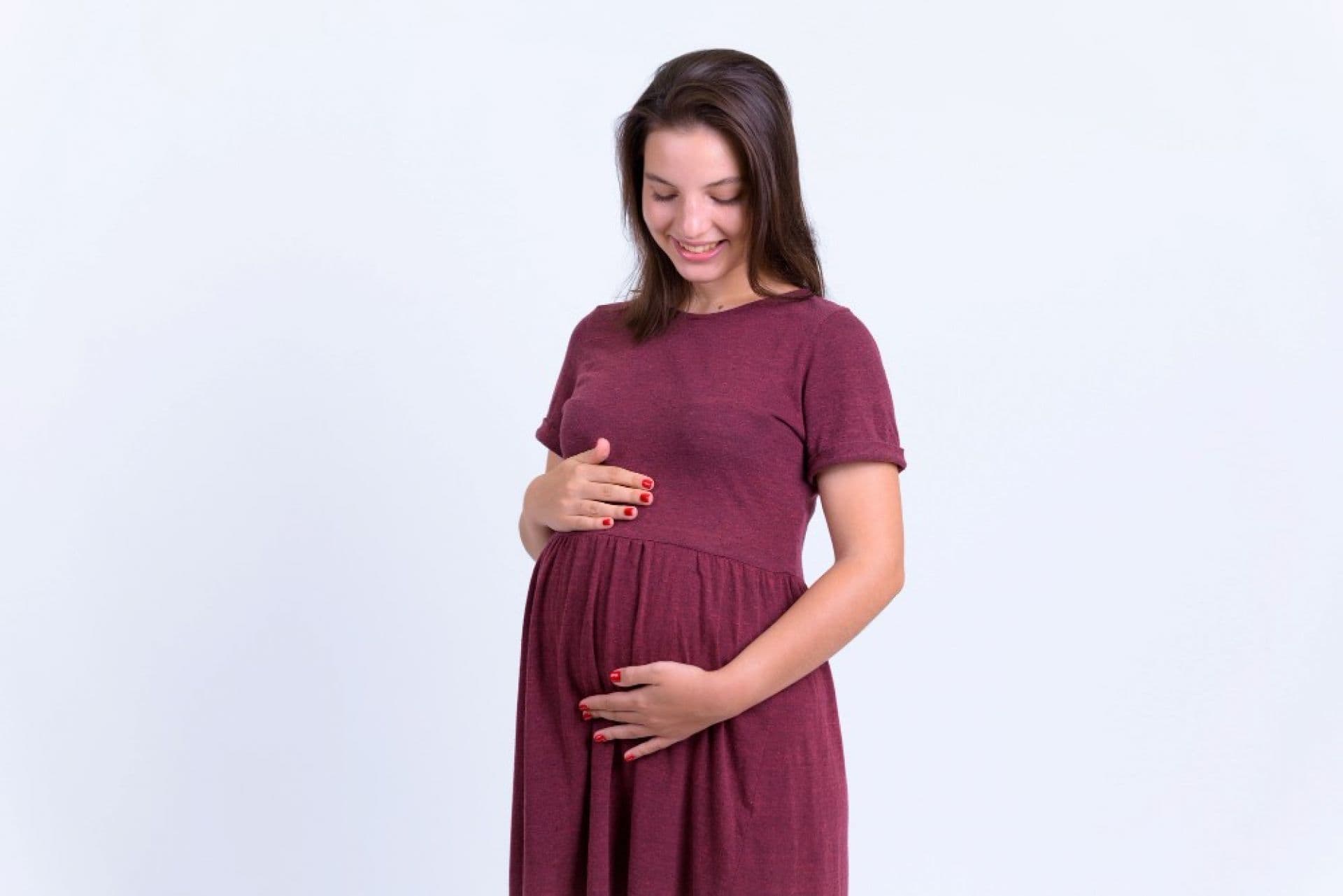
During pregnancy, Hb F levels may rise slightly. Testing helps detect fetomaternal hemorrhage and manage complications.
Symptoms of Common Blood Disorders
1. Sickle Cell Anemia
- Fatigue and anemia
- Severe pain crises
- Swelling of hands and feet
- Frequent infections
- Delayed growth or puberty
- Vision problems
2. Beta-Thalassemia
This condition reduces hemoglobin A production, leading to increased Hb F, fatigue, bone deformities, and splenomegaly.
3. Leukemia and Myeloproliferative Disorders
Bone marrow cancers can elevate fetal hemoglobin due to immature red-cell production.
Fetal Hemoglobin Normal Range
| Age Group | Normal Hb F (%) |
|---|---|
| 0–3 months | 40–85% |
| 3–6 months | 8–40% |
| 6 months–1 year | < 8% |
| Children & Adults | < 2% |
Interpretation of Test Results
- Normal: Healthy red blood cell production
- Slightly elevated: Pregnancy or mild anemia
- Markedly elevated: Thalassemia, sickle cell disease, leukemia
Why Monitoring Fetal Hemoglobin Matters
Raising Hb F levels can reduce complications in sickle cell disease and thalassemia.
Managing Conditions Affecting Hb F
- Medications: Hydroxyurea
- Blood transfusions: For thalassemia
- Bone marrow transplant: Potential cure
- Lifestyle support: Nutrition, hydration, infection prevention
In Summary
The fetal hemoglobin test is a key diagnostic and monitoring tool from infancy to adulthood.
If you or your child have symptoms of anemia or a family history of blood disorders, consult your doctor about this blood test for timely care and better outcomes.
Frequently Asked Questions
What is fetal hemoglobin (Hb F) and how does it differ from adult hemoglobin?
Fetal hemoglobin (Hb F) is the primary oxygen-carrying protein in a developing fetus, designed to bind oxygen more tightly than adult hemoglobin (Hb A) so the baby can draw oxygen efficiently from the mother's bloodstream. After birth, Hb F is gradually replaced by adult hemoglobin (Hb A), dropping to less than 1–2% by age two.
What is the normal range of fetal hemoglobin for adults and infants?
For newborns (0–3 months), Hb F makes up 40–85% of total hemoglobin. This drops to 8–40% between 3–6 months, and under 8% by age one. For healthy adults and older children, normal fetal hemoglobin levels are strictly less than 1% to 2%.
Why would an adult have elevated fetal hemoglobin levels?
Elevated Hb F levels in adults are usually linked to inherited blood disorders such as sickle cell disease, beta-thalassemia, or Hereditary Persistence of Fetal Hemoglobin (HPFH). Elevated levels can also occur during pregnancy, with certain leukemias, aplastic anemia, or as a response to medications like hydroxyurea.
How is the Hb F quantitative test performed?
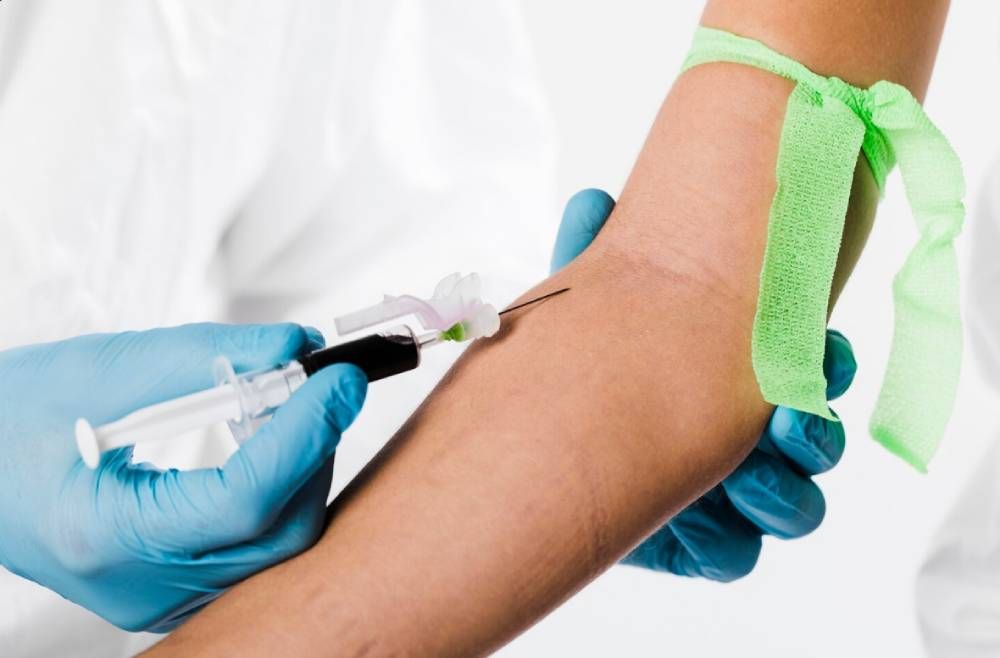
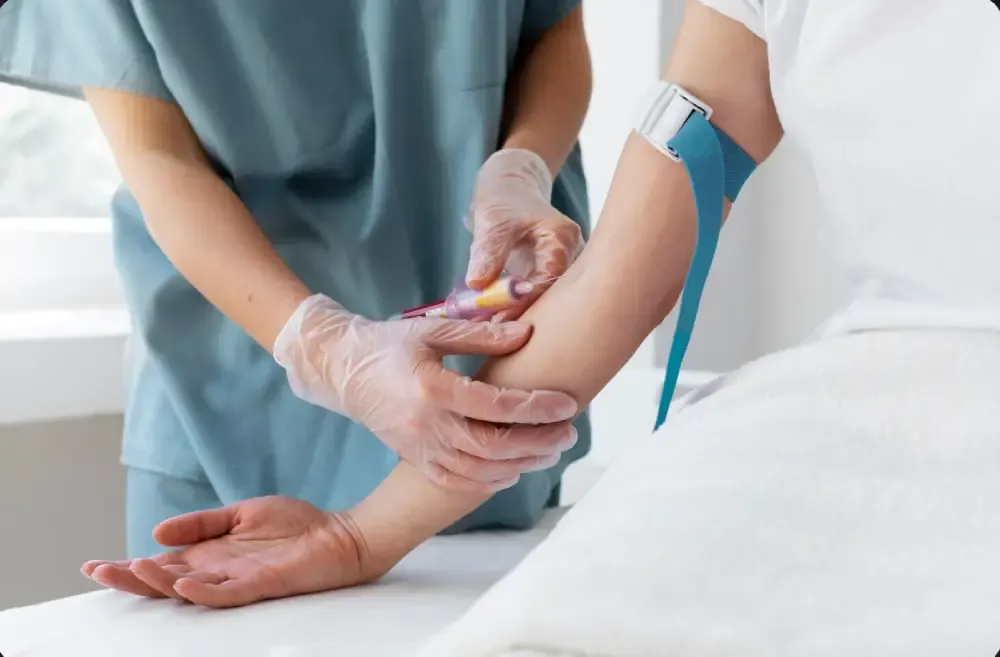
The test requires a simple blood sample drawn from a vein (or a heel-stick for newborns). The blood is analyzed in a laboratory using precise methods like High-Performance Liquid Chromatography (HPLC) or hemoglobin electrophoresis to measure the exact percentage of Hb F relative to other hemoglobin types.
Why is fetal hemoglobin beneficial in managing sickle cell disease?
Fetal hemoglobin does not form rigid, crescent-shaped sickles like abnormal adult hemoglobin (Hb S) does. Higher levels of Hb F prevent red blood cells from sickling, which reduces painful vaso-occlusive crises, decreases organ damage, and significantly improves quality of life for patients with sickle cell disease or beta-thalassemia.
Featured Articles
Diabetes Screening For Diagnosis And Prevention
Posted on: 25th Oct 2023

Eating To Recover: The Best Foods For Getting Back On Your Feet After Cholera
Posted on: 22nd Jan 2026

What A Complete Blood Count (CBC) Tells You About Your Health
Posted on: 22nd Jan 2026