Book a Home Collection Now!
Ferritin Test - Preparation, Need, Results, and Ranges
June 11, 2026 - By Lupin Diagnostics
Feeling tired all the time, even after a full night's rest? The answer might lie in your iron stores. A ferritin test measures how much iron your body has tucked away for future use. This simple blood test is one of the most reliable ways to spot iron problems early. Here is everything you need to know about preparation, normal ranges, and what your results actually mean.
Ferritin vs. Serum Iron: What Is the Difference?
Here is a simple way to understand what a ferritin test versus a serum iron test is. Serum iron is like the cash in your wallet. Ferritin is your savings account. Serum iron tells you how much iron is circulating in your blood right now. Ferritin reveals how much your body has tucked away for later.
A complete iron panel usually includes serum iron, transferrin, total iron-binding capacity (TIBC), ferritin, and transferrin saturation. Each marker offers a different piece of the puzzle. However, ferritin alone is considered the single best marker to identify iron deficiency.
One important difference is how inflammation affects each marker. Ferritin levels can rise during infections or chronic illness. Serum iron and transferrin, on the other hand, tend to drop during inflammation.
Why Do Doctors Order a Ferritin Test?
Your doctor may check your ferritin test need based on symptoms or as part of a routine health check-up. Here are a few reasons you might need this test:
Screening for Low Iron or Anaemia
Iron deficiency affects a staggering number of people. Globally, iron deficiency anaemia affects roughly 1.2 billion individuals. Common signs that prompt a ferritin test include:
- Persistent fatigue that rest does not fix
- Pale skin or unusually cold hands and feet
- Unexplained dizziness or light-headedness
You can have low ferritin even with a normal haemoglobin level. This condition is called iron deficiency without anaemia, and it is at least twice as common as iron deficiency anaemia.
Screening for High Iron or Haemochromatosis
Excess iron is also a concern. Up to 20% of men may show elevated ferritin on a blood test. Yet fewer than 10% of those cases involve true iron overload. Symptoms to watch for include joint pain, abdominal discomfort, and unexplained weakness.
Ferritin Test Preparation: How to Get Ready
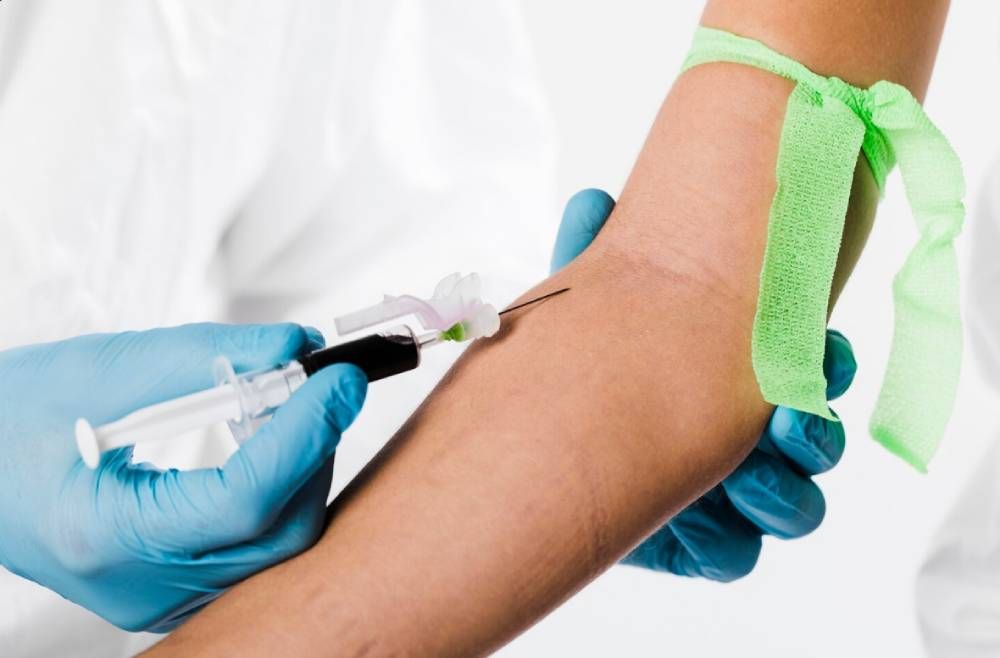
Proper ferritin test preparation helps ensure accurate results. Follow these steps before your blood draw:
- Fast for 8 to 12 hours before the test. Morning samples are preferred because iron levels fluctuate through the day.
- Pause iron supplements at least 24 hours before the test, unless your doctor advises otherwise. Supplements can temporarily raise ferritin and skew results.
- Skip coffee on the morning of the test. Dietary factors like coffee can affect readings.
- Inform your doctor about any ongoing medications or recent infections. Inflammation from illness can alter ferritin values.
Always confirm preparation instructions with your laboratory or healthcare provider, as guidelines may vary.
What Are the Ferritin Test Normal Ranges?
Ferritin test normal ranges can differ slightly between laboratories. The table below shows widely accepted reference values:
| Group | Normal Range (ng/mL) |
|---|---|
| Adult Males | 24 to 336 |
| Adult Females | 24 to 307; 6-81 (pre-menopausal) and 14-186 (post-menopausal) |
| Newborns | 25 to 200 |
| Infant (at 1 month old) | 200 to 600 |
| Infant (at 2-5 months old) | 50 to 200 |
| Children (6 months-15 years) | 7 to 140 |
Keep in mind that reference ranges can vary between laboratories. Always interpret your report with your doctor's guidance.
How Should You Interpret Your Ferritin Test Results?
Understanding your ferritin test results requires looking at the bigger picture, not just one number.
What Low Ferritin Levels Mean
A low ferritin reading on its own confirms iron deficiency. Common causes include poor dietary iron intake, chronic blood loss from heavy periods, or gastrointestinal conditions that reduce absorption. If your levels are low, your doctor can guide you on the right approach for your situation.
What High Ferritin Levels Mean
Elevated ferritin does not always mean excess iron. It is often linked to liver disease, chronic inflammation, or high alcohol intake. True iron overload conditions like haemochromatosis are less common.
The Hidden Factor: Inflammation
Ferritin behaves as an acute-phase reactant. During infections or chronic inflammatory conditions, your body pumps out more ferritin. This spike does not reflect true iron overload. Your doctor may order additional tests like C-reactive protein (CRP) to separate inflammation from genuine iron excess.
Your results should always be interpreted by a qualified healthcare professional who understands your full medical history.
Track Your Iron Stores for Better Health
Your ferritin level is one of the most telling markers of how well your body manages iron. Whether it is unexplained fatigue or routine screening, a ferritin test gives you and your doctor the clarity to act early. Pair your results with a proper medical consultation for the best outcomes.
If you would like to check your ferritin levels or book a comprehensive iron panel, Lupin Diagnostics offers reliable testing at NABL-accredited labs with home collection services across India.
Frequently Asked Questions
Can I have a normal haemoglobin level but still have low ferritin?
Yes. Iron deficiency without anaemia is common. Your haemoglobin may appear normal while ferritin and transferrin saturation remain low, indicating depleted iron stores.
Does stress, a cold, or an active infection temporarily alter my ferritin levels?
Yes. Ferritin is an acute-phase reactant. Infections and inflammatory conditions can temporarily push your levels higher, even without true iron overload.
How long does it typically take to raise low ferritin levels through oral iron supplements?
Most people need at least 6 to 8 weeks of consistent oral iron supplementation to see a meaningful rise in ferritin. Your doctor will guide the exact duration.
Why are the normal ranges for ferritin significantly lower for women than for men?
Women of reproductive age lose iron through menstruation. Studies show that 30% to 50% of healthy women may have minimal iron stores, making their baseline ferritin naturally lower.
What is the difference between a ferritin test and a complete iron panel?
A ferritin test measures stored iron alone. A complete iron panel includes serum iron, transferrin, TIBC, ferritin, and transferrin saturation, giving a fuller picture of iron metabolism.
What dietary changes can help balance abnormal ferritin levels naturally?
For low ferritin, include iron-rich foods like spinach, rajma, chana, and jaggery alongside vitamin C sources for better absorption. For high ferritin, reducing red meat and alcohol intake may help. Consult your doctor before making major dietary changes.
This article is for informational and educational purposes only. It does not substitute professional medical advice, diagnosis, or treatment. Please consult a qualified healthcare provider for any concerns about your health or before acting on any information presented here.
Featured Articles

Dehydrated How To Make A Lifesaving Diy Rehydration Drink For Cholera Recovery
Posted on: 22nd Jan 2026
Diabetes Screening For Diagnosis And Prevention
Posted on: 25th Oct 2023

Eating To Recover: The Best Foods For Getting Back On Your Feet After Cholera
Posted on: 22nd Jan 2026