Book a Home Collection Now!
CGM vs Finger Stick: Which Is More Accurate?
August 5, 2026 - By Lupin Diagnostics
If you monitor your blood sugar regularly, the debate around CGM vs finger stick accuracy probably feels personal. Should you trust the sensor on your arm or the quick prick on your fingertip? Both tools measure glucose — but they do it differently. This article breaks down how each method works, where they excel, and when one deserves more trust than the other.
How Does Each System Measure Glucose?
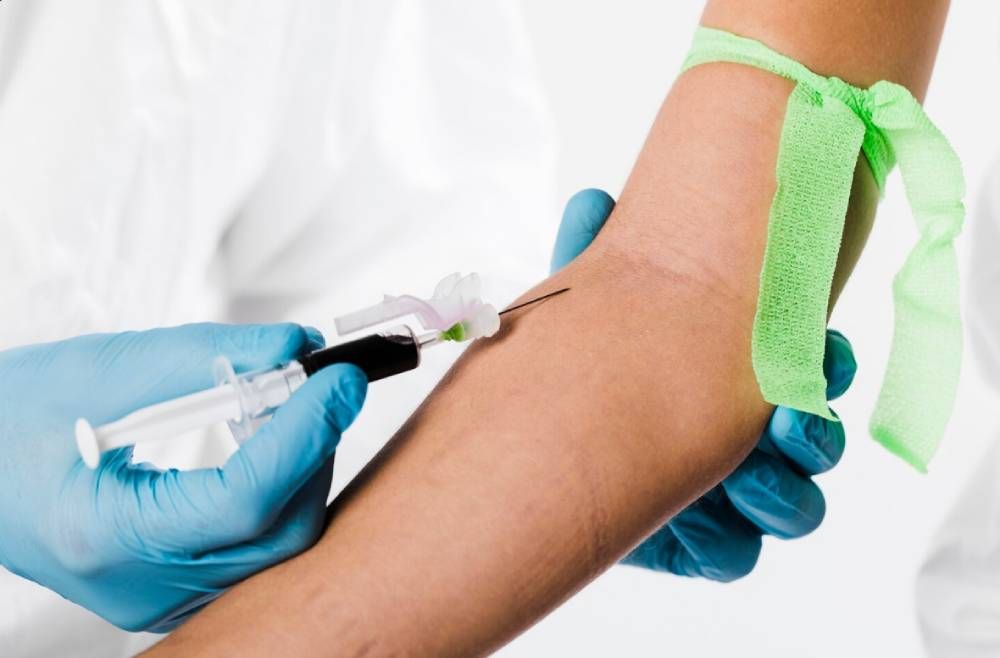
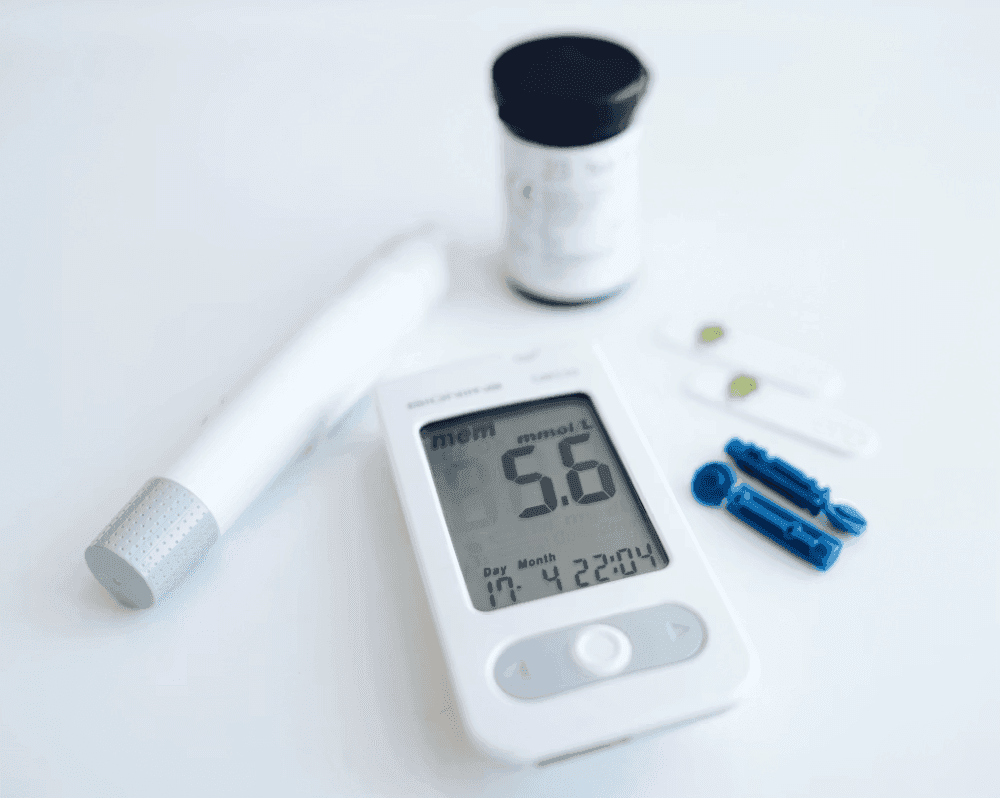
The core difference lies in what each device actually measures. A finger stick draws a tiny drop of capillary blood. The glucometer then analyses the glucose in that blood sample directly.
A Continuous Glucose Monitor (CGM) works differently. A small sensor sits just beneath your skin. It measures glucose in interstitial fluid — the liquid surrounding your cells. An enzyme called glucose oxidase triggers a reaction that produces an electrical current. That current corresponds to your glucose level.
Here is the catch: glucose travels from your blood into interstitial fluid. This transfer takes time. So your CGM reading reflects where your blood sugar was a few minutes ago, not where it is right now.
Also Read: CGM Benefits: Transforming Diabetes with Real-Time Data
CGM vs Finger Stick: Which Is More Accurate?
Accuracy in glucose monitors is measured using something called Mean Absolute Relative Difference (MARD). Think of MARD as a scorecard — the lower the percentage, the closer the device's readings match a lab reference.
Modern CGMs have improved dramatically. The Dexcom G7, for example, achieved an overall MARD of 8.2%. That is a big leap from earlier models that had MARD values around 26%.
Still, finger sticks offer higher single-point precision. For any individual reading, a glucometer measuring blood directly tends to be closer to the true value.
| Feature | Finger Stick (BGM) | CGM |
|---|---|---|
| Sample source | Capillary blood | Interstitial fluid |
| Point accuracy | Higher | Lower (MARD ~8–10%) |
| Trend data | Not available | Real-time arrows and graphs |
| Data continuity | Snapshot per test | Readings every 1–5 minutes |
| Alerts for highs/lows | Not available | Automatic alerts |
These MARD values come from manufacturer trials. Real-world accuracy may vary. Your doctor can help interpret your readings.
What Causes the Lag Time in CGM Readings?
Because CGMs read interstitial fluid, there is a built-in delay. When your blood sugar is stable — say, during a fasting state — this lag is small, roughly 5–6 minutes. You would barely notice the difference.
During rapid changes, though, the gap widens. After a meal or intense exercise, the lag can stretch to 10–20 minutes. Your blood sugar might be dropping fast, but your CGM still shows an older, higher number.
CGMs compensate with trend arrows. These arrows show you where your glucose is heading and how quickly. So even if the exact number lags, the directional information helps you act early.
When Should You Trust a Finger Stick Over Your CGM?
CGMs are brilliant for spotting patterns. But certain situations call for a confirmatory finger prick:
- Symptoms do not match the sensor reading: If you feel shaky but your CGM shows normal, trust your body and verify with a finger stick.
- Rapid glucose swings: During steep rises or drops, the CGM lag means the glucometer gives a more current picture.
- Sensor warm-up period: New sensors need time to stabilise. Readings during the first hour or so may be unreliable.
- Suspected interference: Some medicines — particularly paracetamol (acetaminophen) — can cause wildly inaccurate CGM readings. In one study, CGM values fluctuated between 85 and 400 mg/dL, while actual blood sugar levels remained steady at around 90 mg/dL.
For finger sticks, watch for contamination. Touching fruit or food before testing — without washing your hands — can significantly inflate your reading.
Always discuss unexpected readings with your healthcare provider before adjusting any medication.
Also Read: Factors Affecting Blood Sugar: Diagnosis & Management
How Do You Choose Between a CGM and a Glucometer?
The "better" option depends on your needs, budget, and diabetes management goals. Here are the practical trade-offs:
Where CGMs shine:
- Round-the-clock glucose data without repeated finger pricks
- Automatic alerts for dangerously high or low levels
- Trend information that helps you see how meals and activity affect your sugar
Where finger sticks still matter:
- Lower upfront cost and wider availability in India
- Higher single-point accuracy for critical decisions
- Useful as a backup to verify CGM readings
Many diabetes specialists recommend using both methods together. The CGM gives you the big picture — overnight trends, post-meal patterns, time in range. The glucometer steps in when you need a precise, real-time confirmation.
Talk to your doctor about which monitoring approach suits your condition and lifestyle.
Bringing It All Together
Neither tool alone tells the complete story. Finger sticks offer sharper single-point accuracy, while CGMs reveal the full arc of your glucose patterns throughout the day. Using them together — CGM for trends, finger stick for confirmation — gives you the most reliable picture of your blood sugar health.
If you would like to understand your glucose levels better, Lupin Diagnostics offers comprehensive blood sugar and HbA1c tests at NABL-accredited labs across India. Book a test to stay informed about your metabolic health.
Frequently Asked Questions
Why does my CGM reading differ from my finger prick reading?
CGMs measure glucose in interstitial fluid, which lags behind blood glucose. This time delay — needed for glucose to move from your bloodstream into surrounding tissue — causes the two readings to differ.
Which is more accurate during a rapid blood sugar drop, a CGM or a finger stick?
A finger stick is more accurate during rapid drops. The CGM lag can reach 10–20 minutes when glucose levels change quickly, so the glucometer reflects the current situation more reliably.
Is CGM as accurate as finger stick?
For a single-point measurement, CGMs are slightly less accurate than finger sticks. However, CGMs provide continuous trend data and alerts that finger sticks cannot offer.
Why is FreeStyle Libre different from finger stick?
FreeStyle Libre measures glucose in interstitial fluid beneath the skin, while finger sticks measure glucose directly in capillary blood. These different sample sources naturally produce slightly different readings.
Which is better, CGM or glucometer?
It depends on your needs. A CGM gives you real-time trends, direction arrows, and round-the-clock data. A glucometer offers higher point accuracy at a lower cost. Many people benefit from using both.
Why is my CGM reading higher than my finger stick?
When blood sugar is falling, CGM readings can appear higher because interstitial fluid glucose has not caught up yet. The faster the drop, the larger the gap between the two readings.
This article is for informational purposes only and does not constitute medical advice, diagnosis, or treatment. Please consult a qualified healthcare professional for any questions about your health or before making changes to your diabetes management plan.
Featured Articles

Sleep Deprivation Effects How Poor Sleep Impacts Your Heart And Kidney Health
Posted on: 22nd Jan 2026
What A Complete Blood Count (CBC) Tells You About Your Health
Posted on: 22nd Jan 2026
Screen Time Fatigue And Vitamin D Deficiency The Hidden Connection You Shouldn T Ignore
Posted on: 22nd Jan 2026