Book a Home Collection Now!
Cervical Cancer: Causes, Symptoms, Diagnosis & Treatment
June 11, 2026 - By Lupin Diagnostics
Among all cancers affecting women, cervical cancer stands out for one reason: it is largely preventable. In India, it remains the second most common female cancer, accounting for 10% of all female cancers. Yet with timely screening and vaccination, outcomes improve significantly. This article covers the causes, warning signs, diagnosis, and treatment options you should know about.
What Is Cervical Cancer?
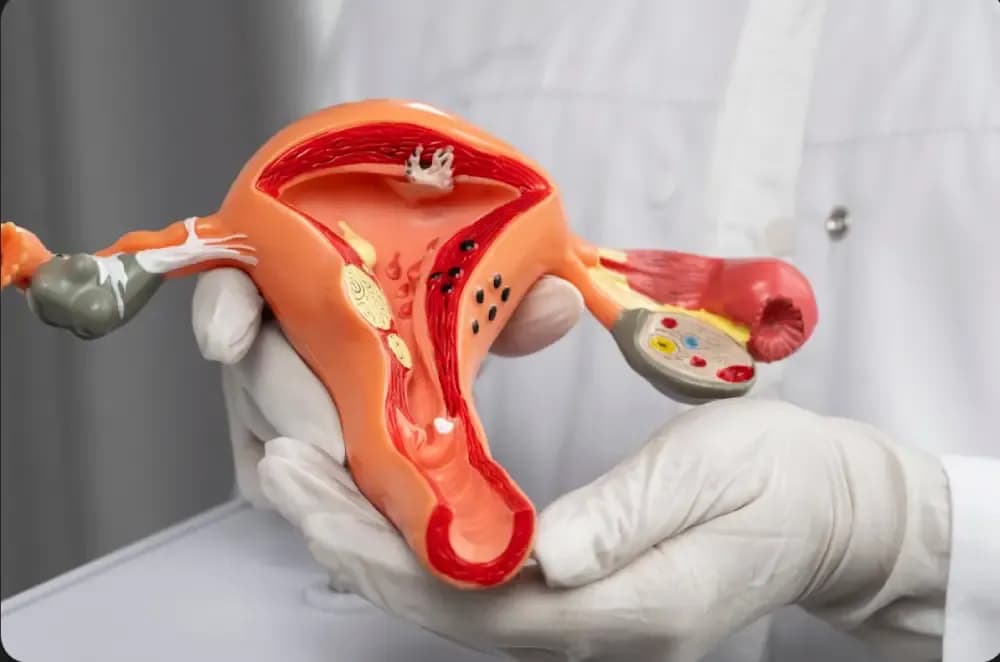
The cervix is the narrow, lower part of the uterus that connects to the vagina. It develops when cells lining this area grow abnormally and turn malignant over time.
Two main types of cervical cancer exist. Squamous cell carcinoma begins in the thin, flat cells lining the outer cervix. Adenocarcinoma starts in the glandular cells of the cervical canal.
Squamous cell carcinoma is the more common form. Both types typically develop slowly over years, often beginning as precancerous changes.
What Are the Primary Causes of Cervical Cancer?
Understanding the causes of cervical cancer starts with one key factor: persistent infection with high-risk strains of human papillomavirus (HPV). Untreated precancerous lesions caused by HPV are behind about 95% of cervical cancer cases.
The Role of Human Papillomavirus (HPV)
HPV types 16 and 18 are responsible for roughly 76% of cervical cancers. These strains alter the DNA of cervical cells over time. The process is slow. It typically takes 15 to 20 years for abnormal cells to become cancerous. In women with weakened immunity, such as those living with untreated HIV, this timeline can shorten to 5 to 10 years.
Secondary Risk Factors
Several factors can accelerate the progression from HPV infection to cancer:
- Tobacco smoking over long periods damages cervical cells further.
- Weakened immune systems, particularly from HIV/AIDS, reduce the body's ability to clear HPV.
- Extended use of oral contraceptives over many years has been linked to higher risk.
- Family history of cervical cancer may also play a role.
How Do You Recognise the Symptoms of Cervical Cancer?
Early-stage cervical cancer and cervical precancerous changes are often silent. That is what makes screening so critical. By the time symptoms of cervical cancer appear, the disease may have advanced.
Watch for these warning signs:
- Abnormal vaginal bleeding between periods or after menopause
- Bleeding after intercourse
- Persistent pelvic pain unrelated to menstruation
- Watery, heavy, or foul-smelling vaginal discharge
- Pain during intercourse
If you notice any of these signs, please consult a doctor promptly for evaluation.
How Is Cervical Cancer Diagnosed and Staged?
Diagnosis typically follows a step-by-step process. It begins with routine screening and, if needed, moves to confirmatory tests and staging.
Routine Screenings
Two frontline tools help catch problems early:
- Pap smear screening collects cervical cells and examines them for precancerous changes.
- HPV DNA test checks whether high-risk HPV strains are present in those cells.
Screening should begin at age 25 and continue until at least age 65. Depending on the test used, repeat screening every 3 to 5 years is recommended.
Confirming the Diagnosis
When a screening result is abnormal, the next steps may include:
- Colposcopy and biopsy allow the doctor to examine the cervix closely and take a small tissue sample.
- Pelvic examination to assess the cervix and surrounding structures.
Staging and Imaging
Once cancer is confirmed, imaging helps determine how far it has spread. PET-CT scans, MRIs, and CT scans assess whether the cancer is confined to the cervix (Stage I) or has reached distant organs (Stage IV). Knowing the stage guides every treatment decision.
What Are the Treatment Options for Cervical Cancer?
Treatment for cervical cancer depends on the stage at diagnosis and whether preserving fertility is a priority. Your doctor will recommend a plan tailored to your specific situation.
Surgical Options
Treatment options differ by stage:
- Early precancer: Localised procedures such as cone biopsy or loop electrosurgical excision procedure (LEEP) remove only the affected tissue.
- Invasive tumours: A hysterectomy removes the uterus entirely. For younger women wishing to preserve fertility, a radical trachelectomy removes the cervix while keeping the uterus intact.
Oncological Therapies
For advanced stages, doctors often combine therapies:
- Radiation: External beam radiation and brachytherapy (internal radiation placed near the tumour) are frequently used together.
- Chemotherapy: Platinum-based medicines like cisplatin or carboplatin are given alongside radiation to improve effectiveness.
- Immunotherapy: Newer targeted therapies are also part of the treatment landscape.
How Can You Prevent Cervical Cancer?
Prevention is the most powerful tool against this disease. HPV vaccine prevention and regular screening together offer strong protection.
Key preventive steps include:
- Vaccination: Gardasil 9 has been found nearly 100% effective against infections and precancers caused by the seven cancer-causing HPV types it targets. The WHO prioritises vaccination for girls aged 9 to 14 before they become sexually active.
- Regular screening: Pap smears and HPV tests every 3 to 5 years from age 25 can catch abnormalities years before cancer develops.
- Avoiding tobacco and managing immune health also reduce risk over time.
Moving Forward With Awareness
Cervical cancer may be common, but it is also one of the most preventable cancers. Routine Pap smears, HPV testing, and timely vaccination together form a strong shield. Early detection turns what could be a life-threatening diagnosis into a manageable one.
If you or someone in your family is due for a screening, Lupin Diagnostics offers cervical cancer screening tests at NABL-accredited labs and convenient collection centres across India. Book your test today for peace of mind.
Frequently Asked Questions
Can a person still develop cervical cancer if they have never had an active HPV infection?
Persistent HPV infection is behind about 95% of cervical cancer cases. So while it is rare, cervical cancer can develop without a known HPV infection.
At what age should individuals begin routine Pap smears and HPV screenings?
Screening is recommended from age 25 and should continue until at least age 65. The frequency depends on the test method, typically every 3 to 5 years.
Is the HPV vaccine recommended or effective for adult women who are already sexually active?
Gardasil 9 is nearly 100% effective in preventing infections and precancers caused by the HPV types it targets, provided the person has not already been exposed to those specific strains. A doctor can advise whether the vaccine is suitable based on individual history.
Does receiving a diagnosis of cervical cancer automatically mean a woman cannot have children?
Not necessarily. A procedure called radical trachelectomy removes the cervix while preserving the uterus. With a cerclage placed for support, pregnancy may still be possible in some cases.
How fast does cervical precancer typically progress into invasive cancer?
In most women, it takes 15 to 20 years. However, in those with weakened immune systems, this timeline may be as short as 5 to 10 years.
What is the typical follow-up schedule if an initial routine Pap smear returns "abnormal" results?
Follow-up depends on the specific findings. It may involve repeat testing in 1 to 3 years or a colposcopy for closer examination, based on risk-assessed guidelines.
This article is for informational and educational purposes only. It does not substitute professional medical advice, diagnosis, or treatment. If you have concerns about cervical cancer or your screening schedule, please consult a qualified healthcare provider.
Featured Articles

Dehydrated How To Make A Lifesaving Diy Rehydration Drink For Cholera Recovery
Posted on: 22nd Jan 2026
Diabetes Screening For Diagnosis And Prevention
Posted on: 25th Oct 2023

Eating To Recover: The Best Foods For Getting Back On Your Feet After Cholera
Posted on: 22nd Jan 2026