Book a Home Collection Now!
Blood Culture Test - Normal Range, Procedure, and Results
May 26, 2026 - By Lupin Diagnostics
A minor skin infection or a lingering cough usually heals on its own. But when germs cross into your bloodstream, it becomes a serious medical concern. A blood culture test normal range helps doctors confirm whether your blood remains sterile or if harmful pathogens have invaded it. This article walks you through the procedure, what results mean, and why timing matters.
What Is a Blood Culture Test?
Your blood is naturally sterile. Unlike your gut or skin, it should not harbour any living microorganisms. A blood culture test is the gold standard for checking whether bacteria or fungi have entered your bloodstream. A small sample of blood is placed in special bottles that encourage microbial growth. If pathogens are present, they multiply and become detectable.
Doctors rely on this test to diagnose life-threatening conditions. These include bacteraemia (bacteria in the blood) and fungaemia (fungi in the blood). Left unchecked, such infections can progress to septicaemia, causing organ failure.
Why Do Doctors Order a Blood Culture Test?
Doctors typically request this test when they suspect germs have spread beyond a single site. Common clinical reasons include:
- Suspected sepsis: A life-threatening response where infection triggers widespread inflammation, potentially causing organ failure.
- Complications from localised infections: Pneumonia or urinary tract infections that may have spread.
- Patients with medical devices: Those with central lines, catheters, or implants face a higher risk of bloodstream infections.
What Symptoms Suggest a Systemic Blood Infection?
Certain red-flag symptoms prompt doctors to order this test urgently. Watch for these warning signs:
- High fever or unusually low body temperature
- Chills and shivering that come on suddenly
- Rapid heartbeat or fast, shallow breathing
- Sudden confusion or dizziness
- Extreme fatigue or mottled skin patches
If you or someone around you shows these symptoms, seek medical attention without delay.
Understanding the Blood Culture Test Normal Range
Here is where this test differs from most blood tests. Unlike sugar or cholesterol reports, a blood culture test normal range has no numerical value. There is no number to compare against a chart.
The normal result is simply "No Growth". This means no bacteria or fungi were detected after the full incubation period. Your blood is sterile, exactly as it should be. A report reading "No Growth in 5 days" confirms the sample remained clean throughout testing. Any microbial growth, on the other hand, signals a problem that needs immediate attention.
How Is the Blood Culture Test Procedure Done?
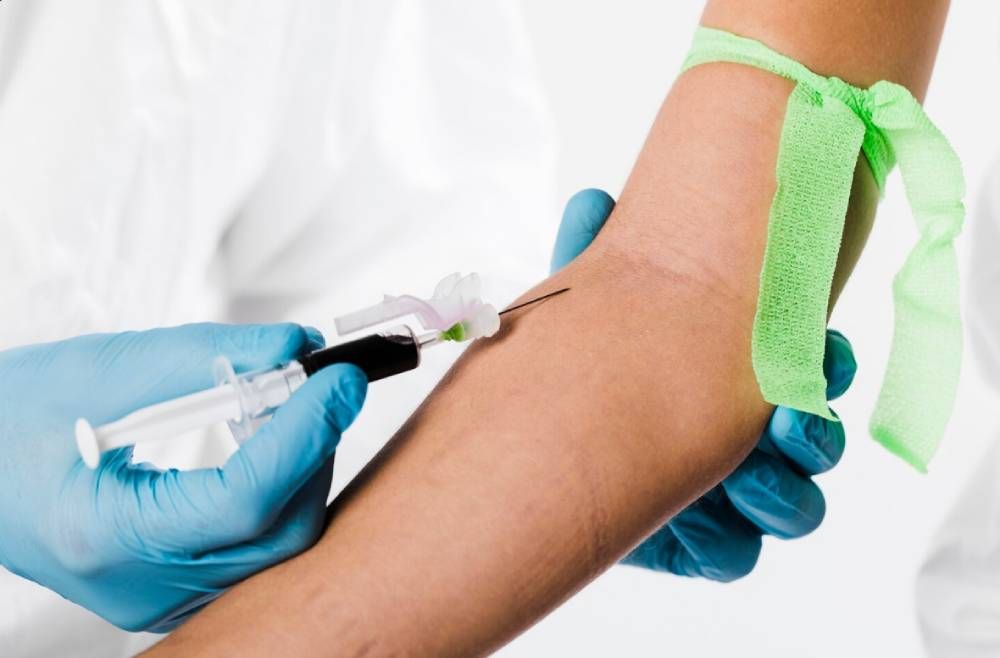
The blood culture test procedure demands strict sterility at every step. Even a tiny lapse can introduce skin bacteria and produce a false positive. Here is what happens:
- The phlebotomist cleans the puncture site with an alcohol-based disinfectant.
- The bottle's rubber cap is also wiped with 70% isopropyl alcohol.
- Blood is drawn and transferred into aerobic and anaerobic culture bottles.
- Bottles are sent to the lab and placed in an automated incubation system.
Why Are Multiple Samples and Different Bottles Used?
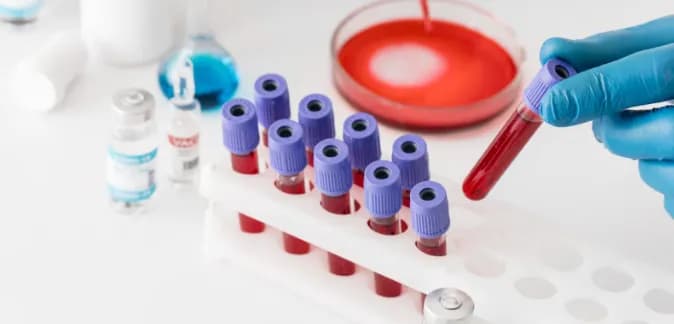
Doctors usually collect two to four sets within 24 hours, drawing from different veins each time. Each set contains one aerobic and anaerobic culture bottle. The aerobic bottle supports germs that need oxygen. The anaerobic bottle catches those that thrive without it.
This approach covers a wider range of potential pathogens. The recommended total volume is roughly 40 to 60 mL for adults, split as 10 mL per bottle.
Interpreting Blood Culture Test Results
Your blood culture test results will fall into one of two categories:
| Result | What It Means | Next Step |
|---|---|---|
| Negative ("No Growth") | Blood is sterile; no pathogens found. | Usually no further action needed. |
| Positive (Growth Detected) | Bacteria or fungi identified in blood. | Blood culture and sensitivity testing follows. |
A positive result triggers sensitivity testing. This tells doctors exactly which medicines will work against the identified pathogen. Direct testing from a positive culture can provide susceptibility results a full day earlier than standard methods.
A positive result does not always mean a severe infection. Your doctor will interpret it alongside your symptoms and medical history.
How Long Do Blood Culture Reports Take?
Patience matters here. Around 73% of positive cultures show growth within 24 hours. However, some slow-growing microbes need more time. Labs typically incubate samples for a full five days before confirming a final "No Growth" result. So while early updates may arrive quickly, a definitive negative report takes about five to seven days.
Conclusion
A blood culture test is one of the most decisive tools for detecting dangerous bloodstream infections early. The normal range is straightforward: you want "no growth". If your doctor has recommended this test, it means they are being thorough about your safety. Early detection through the right blood culture test can make a meaningful difference in treatment outcomes.
If your doctor has recommended a blood culture test, getting it done at an accredited lab ensures reliable results. Lupin Diagnostics offers blood culture and sensitivity testing at NABL-accredited centres across India, with home collection available for your convenience.
Frequently Asked Questions
What is the normal value of a blood culture test?
The normal result is "No Growth", meaning no bacteria or fungi were found. Unlike most blood tests, there is no numerical normal range.
Is fasting required for a blood culture test?
Fasting is not needed. Ideally, the sample should be collected before starting any antibiotic treatment. However, always follow any specific instructions provided by your doctor.
What is the full form of a blood C/S test?
C/S stands for "culture and sensitivity". It detects pathogens in your blood and identifies which medicines can treat them effectively.
Can a blood culture test detect a viral infection?
Standard blood cultures cannot detect viruses. They are designed to grow bacteria and fungi only.
What happens if a blood culture test is positive?
A positive result leads to sensitivity testing. This helps your doctor determine the most effective medicine for the specific pathogen found.
This article is for informational and educational purposes only. It is not a substitute for professional medical advice, diagnosis, or treatment. Always consult a qualified healthcare provider for any medical concerns or before making decisions about your health.
Featured Articles
Diabetes Screening For Diagnosis And Prevention
Posted on: 25th Oct 2023

Eating To Recover: The Best Foods For Getting Back On Your Feet After Cholera
Posted on: 22nd Jan 2026

What A Complete Blood Count (CBC) Tells You About Your Health
Posted on: 22nd Jan 2026