Book a Home Collection Now!
Best Foods and Drinks That Support Kidney Health
June 11, 2026 - By Lupin Diagnostics
Your kidneys filter roughly 180 litres of blood every day. Choosing the best foods for kidney health can ease that workload considerably. With chronic kidney disease (CKD) prevalence in India rising from about 11% to over 16% in recent years, what you eat and drink matters more than ever. This guide walks you through kidney-friendly foods, smart beverages, and practical meal tips.
Why Does Your Diet Matter for Kidney Function?
Three minerals deserve your attention: sodium, potassium, and phosphorus. Healthy kidneys balance these minerals effortlessly. When kidney function dips, excess amounts build up in the blood.
Too much sodium raises blood pressure. Elevated potassium affects heart rhythm. Excess phosphorus weakens bones over time. Choosing foods and drinks lower in these minerals may help prevent or delay complications from CKD. This information is for general awareness. Please speak with a healthcare professional for advice tailored to your condition.
A kidney-friendly diet does not mean bland or boring. It simply means picking the right ingredients.
What Are the Best Foods for Kidney Health?
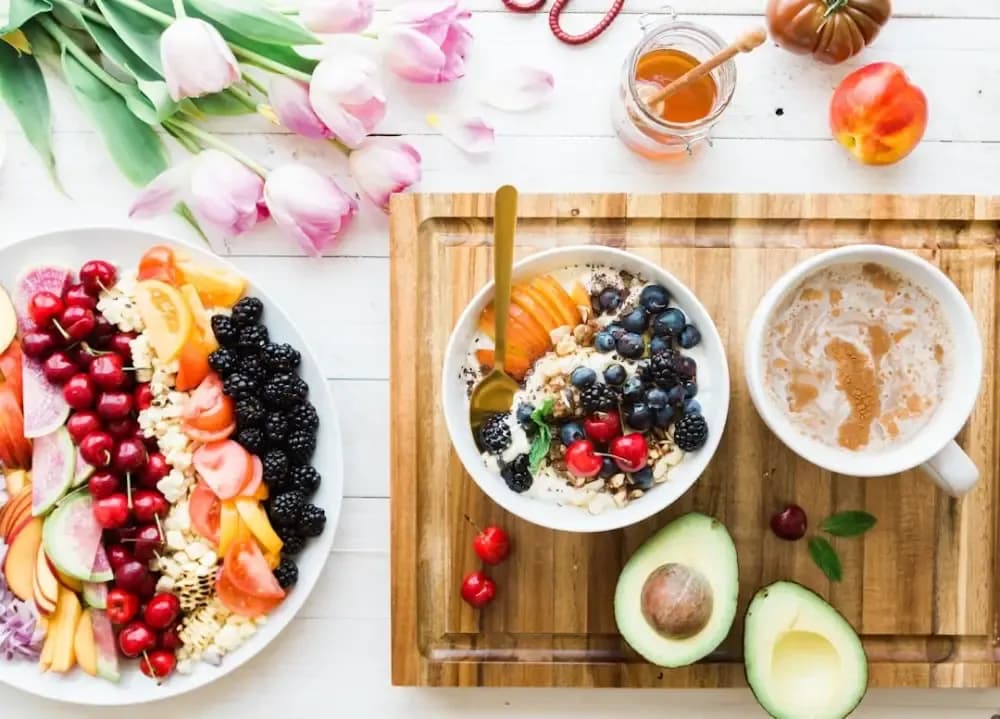
Here is a curated list of healthy renal diet foods you should consider adding to your thali.
Antioxidant-Rich Berries
Blueberries and cranberries are gentle on the kidneys. Half a cup of blueberries contains less than 150 mg of potassium. They are also low in sodium and phosphorus.
Cranberries offer an extra benefit. They contain proanthocyanidins, natural compounds that may help prevent bacteria from clinging to bladder walls. Fresh or frozen, both berries make a smart snack.
Low-Potassium Cruciferous Vegetables
Low-potassium vegetables such as cauliflower and cabbage are excellent swaps for higher-potassium greens such as spinach. They provide fibre and vitamin K without overloading your kidneys. Boiling or leaching these vegetables can further reduce their potassium content.
Heart-Healthy Alliums
Garlic and onions bring bold flavour without the mineral burden. A single thick slice of onion has just about 2 mg of sodium, 55 mg of potassium, and 11 mg of phosphorus. Garlic is similarly low in all these minerals. Both are perfect for lowering sodium intake by replacing table salt with natural flavour.
Lean, Low-Phosphorus Proteins
Egg whites stand out as a high-quality protein source with low phosphorus. They are considered among the best protein substitutes for people managing kidney health. Skinless chicken is another clean option. Avoid processed meats — they carry hidden salt and phosphorus additives.
Which Drinks Are the Best for Kidney Health?
What you sip throughout the day matters just as much as what you eat. Adequate hydration is essential for kidney function and helps flush waste efficiently.
Pure Water
Water remains the single best drink for your kidneys. Aiming for about 2.5 to 3.5 litres of total water intake daily helps dilute urine production. Maintaining a urine output of around 2 litres per day has been linked to a lower risk of developing kidney stones. Your individual fluid needs may differ. Consult your doctor, especially if you have a kidney condition.
Unsweetened Cranberry Juice
Fresh cranberry juice, without added sugar, supports urinary tract health. Its proanthocyanidins may reduce bacterial adhesion in the urinary tract. Choose homemade or unsweetened versions over packaged, sugary ones.
Lemon Water and Citrus Infusions
A squeeze of lemon in your water does more than add taste. Natural citrate in lemon juice binds with calcium in urine. This helps prevent crystal build-ups that may lead to stones. About 120 ml of lemon juice mixed with water daily is usually enough to raise urine citrate levels.
What Foods and Beverages Should You Limit?
The table below offers a quick-reference comparison for kidney-smart swaps:
| Limit or Avoid | Choose Instead |
|---|---|
| Canned vegetables and soups (high sodium) | Fresh or frozen vegetables, cooked from scratch |
| Processed meats (sausages, salami) | Egg whites, skinless chicken, or paneer |
| Chips, namkeen, and salty snacks | Homemade roasted makhana or unsalted nuts |
| Dark colas and sugary sodas | Plain water, lemon water, or cranberry juice |
| Pickles and papads (excess salt) | Fresh herbs, garlic, and onion for flavour |
Adults are advised to keep sodium below 2,300 mg per day. People with CKD may need to stay well under that limit. Reading nutrition labels helps spot hidden salt in packaged foods.
How Can You Build a Kidney-Friendly Meal Plan?
The 2024 KDIGO guidelines recommend a diverse diet with increased plant-based food intake and reduced ultra-processed food intake. Here are a few practical kitchen wins:
- Read labels carefully. Check for hidden phosphorus additives — they often appear as ingredients starting with "phos".
- Cook from scratch. Homemade rajma, chole, or dal lets you control salt and oil.
- Swap salt for flavour. Use jeera, dhania, haldi, garlic, and onions instead of reaching for the salt shaker.
- Choose fresh over packaged. Fresh paneer over processed cheese, fresh fruits over canned ones.
If you have a pre-existing kidney condition, a registered renal dietitian can create a plan suited to your specific needs.
Summing Up: Eating Well Means Filtering Well
Eating for your kidneys is simply eating for longevity. The best foods for kidney health, such as berries, cauliflower, garlic, onions, and egg whites, are everyday ingredients in most Indian kitchens. Pair them with adequate water, a splash of lemon, and fewer processed foods. Your kidneys will thank you for decades.
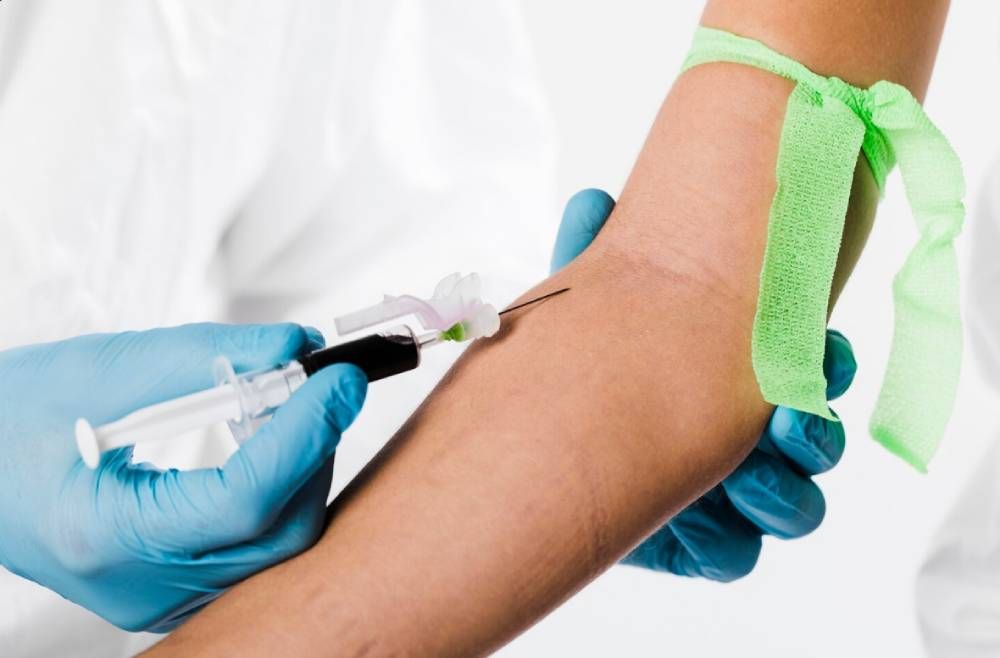
If you have a pre-existing kidney condition, a registered renal dietitian can tailor these suggestions to your needs. Want to check how your kidneys are doing? Lupin Diagnostics offers kidney function tests at NABL-accredited labs and home collection centres across India. A simple blood test can give you a clear picture.
Frequently Asked Questions
Is apple cider vinegar beneficial or harmful for your kidneys?
Apple cider vinegar, in small amounts, appears safe for early-stage kidney concerns, but there is no evidence that it lowers creatinine levels or improves kidney function. It can irritate the stomach or interact with certain medications, so discuss consuming it with your doctor first.
Can drinking too much water cause strain on healthy kidneys?
For most healthy adults, generous water intake supports kidney function rather than straining it. However, individual fluid needs vary, and severe overhydration is possible in rare cases. Your doctor can advise the right amount for you.
Why are bananas and avocados sometimes restricted in kidney diets?
Both are high in potassium. When kidneys cannot filter potassium efficiently, blood levels rise and may affect the heart. Lower-potassium fruits like apples, grapes, and cranberries are safer alternatives.
What are the early warning signs that your kidneys might be struggling?
CKD often shows no obvious symptoms in its early stages. An estimated 94% of people with mild to moderate kidney disease go undiagnosed. Routine blood and urine tests are the most reliable way to catch problems early.
Are plant-based proteins genuinely better for renal health than animal proteins?
Plant-based proteins may produce fewer uremic toxins, improve acid-base balance, and carry a lower phosphorus load. These factors could offer protective benefits for the kidneys, though more research is ongoing.
Can a healthy diet reverse early-stage chronic kidney disease?
Diet alone cannot reverse CKD. However, a kidney-friendly diet is one of the most effective ways to slow disease progression, support blood pressure control, and reduce strain on the kidneys.
This article is for informational and educational purposes only. It is not a substitute for professional medical advice, diagnosis, or treatment. Always consult a qualified healthcare provider for any questions regarding a medical condition or before making dietary changes.
Featured Articles
Dehydrated How To Make A Lifesaving Diy Rehydration Drink For Cholera Recovery
Posted on: 22nd Jan 2026

Diabetes Screening For Diagnosis And Prevention
Posted on: 25th Oct 2023
Eating To Recover: The Best Foods For Getting Back On Your Feet After Cholera
Posted on: 22nd Jan 2026