Book a Home Collection Now!
Asthma Diet Chart: 8 Healthy & Best Foods for Asthma Patients
October 26, 2026 - By Lupin Diagnostics
If you or someone at home manages asthma, you already know that medicines matter most. But did you know your daily thali can also play a supporting role? An asthma diet chart built around anti-inflammatory foods may help ease airway troubles over time. A diet heavy in processed foods tends to promote chronic inflammation. This article walks you through eight healthy foods for asthma, a sample Indian meal plan, and items worth avoiding.
Can Diet Really Help Manage Asthma Symptoms?
Asthma involves persistent inflammation and muscle tightening around your airways. Certain nutrients can calm this inflammation from the inside.
Here is how specific nutrients support respiratory health:
- Vitamin C helps reduce oxidative stress and inflammation at the bronchial level.
- Vitamin E works as an antioxidant, protecting cell membranes from damage.
- Omega-3 fatty acids possess anti-inflammatory properties that may ease airway sensitivity.
- Dietary fibre reshapes gut bacteria, producing compounds that support lung immunity.
One large review found that regular fruit intake was linked to lower odds of asthma. Food alone cannot replace inhalers or prescribed medicines, but it offers a meaningful layer of support. Always follow your doctor's treatment plan alongside dietary changes.
Also Read: Respiratory Diseases: Symptoms, Causes & Treatment
What Are the 8 Best Foods for Asthma Patients?
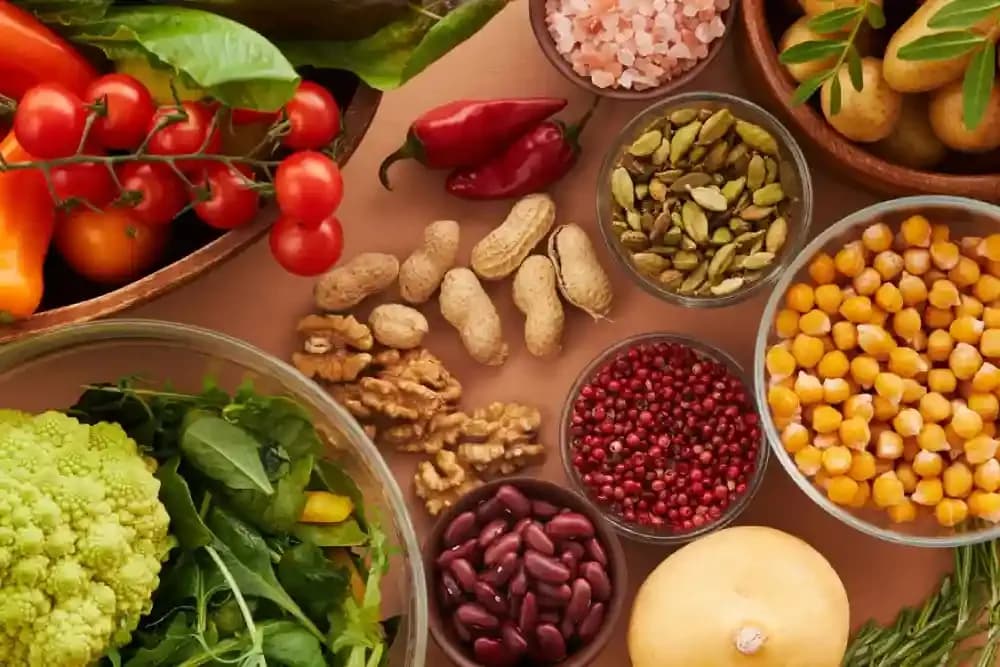
This is the heart of the best diet for patients with asthma. Each food below targets inflammation, immunity, or lung function.
1. Fatty Fish (Salmon, Mackerel)
Omega-3 fats in fish like rawas, bangda, and surmai help reduce airway inflammation. Early studies suggest supplementation may lower eosinophilic inflammation, a key driver of asthma flare-ups.
2. Leafy Greens (Palak, Methi)
Spinach and fenugreek leaves are rich in magnesium. Magnesium acts as a natural bronchodilator, helping relax the muscles around your airways. These greens also supply folate, which supports overall immune balance.
3. Apples and Pomegranates
Apples are packed with flavonoids. A UK Biobank study linked moderate-to-high flavonoid intake to better lung function. Pomegranates add antioxidant power. One apple a day is an easy, affordable habit.
4. Tomatoes and Tomato-Based Dishes
Tomatoes owe their red colour to lycopene, a potent antioxidant. Research suggests lycopene may help reduce airway neutrophil activity. Add tomatoes to dal, rasam, or chutney for a daily boost.
5. Ginger (Adrak) and Turmeric (Haldi)
Curcumin in haldi and gingerol in adrak are well-known anti-inflammatories. Preclinical studies show curcumin may ease allergic asthma responses. Human trial data is still limited, so these should complement, not replace, prescribed medicines.
6. Nuts and Seeds (Walnuts, Flaxseeds)
Walnuts and flaxseeds deliver vitamin E and plant-based omega-3s. Vitamin E shields cell membranes from free-radical damage. A small handful daily, around 25-30 g, fits easily into your routine.
7. Citrus Fruits (Oranges, Amla)
Vitamin C-rich fruits like oranges, mosambi, and amla support immune defences. Higher vitamin C intake is linked to lower asthma risk and better lung function. One amla or two oranges can cover most of your daily needs.
8. Whole Grains (Oats, Brown Rice)
High-fibre grains feed beneficial gut bacteria. These bacteria produce short-chain fatty acids that communicate along the gut–lung axis and help regulate immune responses. Swap maida-based rotis for whole-wheat or bajra rotis.
Also Read: Asthma Management: Daily Habits for Easier Breathing
Sample Indian Asthma Diet Chart
A practical asthma diet plan Indian families can follow uses everyday ingredients. Here is a one-day example:
| Meal | What to Eat |
|---|---|
| Early Morning | Warm water with lemon; 4-5 soaked almonds |
| Breakfast | Vegetable poha with peanuts; one orange |
| Mid-Morning | One small katori of sprout chaat with amla |
| Lunch | Brown rice, palak dal, tomato rasam, curd |
| Evening Snack | Haldi-adrak chai (low sugar); a handful of walnuts |
| Dinner | Bajra roti, methi sabzi, grilled fish or paneer |
| Before Bed | Warm turmeric milk (if tolerated) |
This is a general framework. Ask your dietitian to adjust portions based on your health profile.
Which Foods Should Asthma Patients Avoid?
Certain items can trigger or worsen symptoms. Keep these on your foods to avoid in asthma list:
- Sulfite-rich foods: Dried fruits, wine, pickles, and packaged fruit juices often contain sulfites, which can cause severe hypersensitivity in some asthmatics.
- Highly processed snacks: Chips, instant noodles, and bakery items are loaded with preservatives and trans fats that fuel inflammation.
- High-sodium meals: Excess salt may increase airway reactivity. Limit papad, achaar, and fast food.
- Gas-inducing foods: Heavy rajma or chole at dinner can cause bloating, which puts pressure on the diaphragm and makes breathing harder at night.
Sulfite sensitivity varies from person to person. If you suspect a trigger, maintain a food diary and discuss it with your doctor.
Lifestyle Tips to Prevent Asthma Flare-Ups
Beyond your asthma patient food list, daily habits make a difference:
- Manage your weight: Excess weight adds pressure on the lungs and worsens inflammation.
- Eat dinner early: Finish eating at least two hours before bedtime to reduce acid reflux triggers.
- Stay hydrated: Adequate water helps keep airway mucus thin and easier to clear.
- Practice portion control: Large meals can press against the diaphragm. Eat smaller, frequent meals instead.
- Avoid known triggers: Dust, smoke, and strong perfumes remain top culprits, along with food.
Inhaled medication remains the most effective way to control symptoms and lead an active life.
Also Read: Asthma vs COPD: Differences, Similarities, Symptoms & Treatment
Final Takeaway
A thoughtful asthma diet chart is not a cure; it is a daily investment in calmer airways. Prioritise colourful fruits, leafy greens, omega-3-rich fish, and whole grains. Minimise processed food and known triggers. Pair these choices with your prescribed medicines for the best outcomes.
Wondering how your current health stands? Lupin Diagnostics offers comprehensive health check-ups and lung function assessments at NABL-accredited labs across India. Book a test to get a clearer picture of your respiratory health.
Frequently Asked Questions
Can dietary changes cure asthma completely?
Asthma is a chronic condition that can be managed but not cured through diet alone. Anti-inflammatory foods can support your lungs, but prescribed medicines remain essential for symptom control.
Is curd or milk safe for asthma patients?
Dairy is not a universal asthma trigger. Sensitivity varies by person, so monitor your response and discuss concerns with your doctor.
Which fruit is best for asthma?
Apples and berries rank high because of their flavonoid content, which is linked to improved lung function. Citrus fruits rich in vitamin C also offer strong support.
Does drinking warm water help with asthma?
Staying hydrated helps keep airway mucus thin. However, warm water is not a proven asthma treatment and should not replace prescribed medicines.
Why do sulfites trigger asthma attacks?
Sulfites may irritate the airways and activate the parasympathetic nervous system, causing bronchospasm. Some individuals also have a sulfite oxidase deficiency, an enzyme that breaks down sulfites.
Are bananas good or bad for asthma patients?
Bananas contain potassium and antioxidants. No credible evidence suggests they worsen asthma for most people, so they can be part of a balanced diet.
What lab tests are used to diagnose asthma?
Spirometry is the primary test. It measures forced vital capacity (FVC) and forced expiratory volume in one second (FEV1). Reduced values indicate airflow obstruction typical of asthma.
This article is for informational and educational purposes only. It is not a substitute for professional medical advice, diagnosis, or treatment. Please consult a qualified healthcare provider for any questions regarding asthma management or changes to your diet and medication.
Featured Articles

Dehydrated How To Make A Lifesaving Diy Rehydration Drink For Cholera Recovery
Posted on: 22nd Jan 2026

Diabetes Screening For Diagnosis And Prevention
Posted on: 25th Oct 2023
Eating To Recover: The Best Foods For Getting Back On Your Feet After Cholera
Posted on: 22nd Jan 2026