Book a Home Collection Now!
What is Anti-CCP Test and its Uses, Test Results & Normal Range
May 29, 2026 - By Lupin Diagnostics
Persistent morning stiffness and aching joints can leave you searching for answers. What is an anti-CCP test, and why do doctors recommend it? This autoantibody blood test helps identify whether your immune system is attacking your own joint tissues. This article covers everything you need to know about this test, from its uses to understanding your results.
What Is an Anti-CCP Test and Why Does It Matter?
Anti-CCP stands for anti-cyclic citrullinated peptide antibody. In simple terms, your immune system sometimes produces antibodies that mistakenly target proteins in your joints. This anti-CCP test is a blood test that detects these specific autoantibodies.
A healthy immune system fights infections. In autoimmune conditions like rheumatoid arthritis (RA), it turns against the body instead. Detecting these antibodies early can make a real difference. RA is a chronic condition, but its course can be changed with timely diagnosis and appropriate treatment.
What Are the Clinical Anti-CCP Test Uses?
Doctors order this test in several specific situations. Here are the primary anti-CCP test uses:
- Early RA detection: Anti-CCP antibodies are found in 60–70% of RA patients. Catching them early allows timely treatment.
- Distinguishing RA from other arthritis types: Osteoarthritis and gout cause joint pain too. This test helps your doctor tell them apart.
- Predicting joint damage severity: A positive result signals a higher chance of joint erosion over time.
Your doctor will interpret results alongside your symptoms and other tests.
Signs and Symptoms That Warrant This Test
Your doctor may suggest this test if you experience any of these symptoms:
- Symmetrical joint inflammation affecting both wrists or both knees
- Joint swelling with warmth and tenderness
- Morning stiffness lasting longer than 30 minutes
- Chronic fatigue alongside joint discomfort
If you notice these symptoms persisting, consult a qualified healthcare professional for evaluation.
Anti-CCP vs. Rheumatoid Factor (RF): The Key Difference
Many people wonder why doctors order this test alongside the Rheumatoid Factor (RF) test. The difference comes down to accuracy. RF can show positive results in other illnesses and even in some healthy individuals. Its specificity for rheumatoid arthritis diagnosis is about 85%.
Anti-CCP, on the other hand, has a specificity of roughly 95% for RA. That means a positive anti-CCP result points far more reliably towards RA. When both tests come back positive, it may suggest a more severe form of RA that needs closer monitoring.
What Is the Anti-CCP Test Procedure?
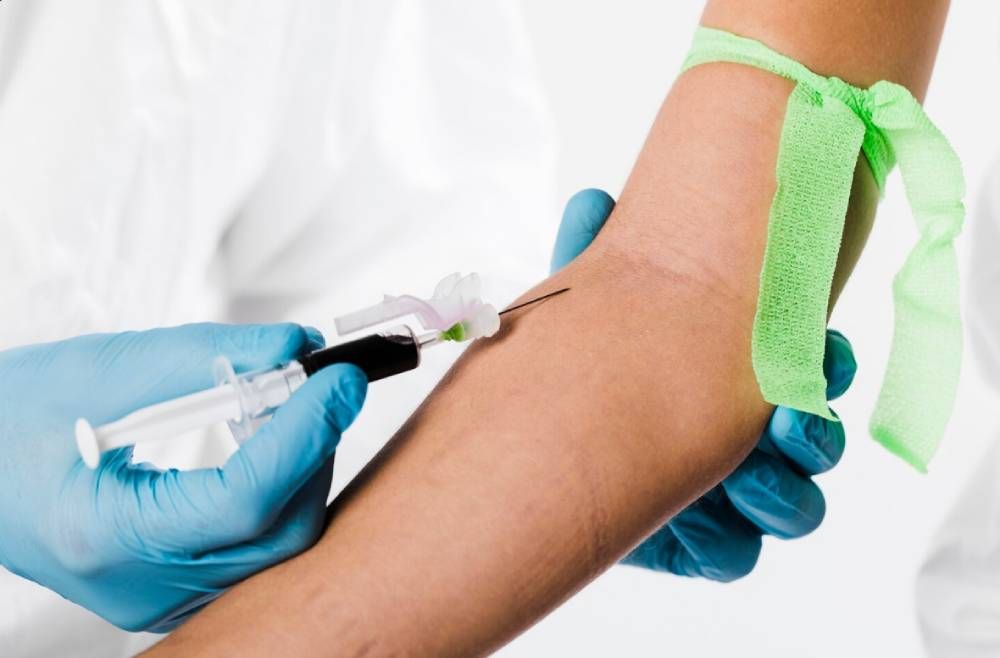
Getting this test is straightforward. There is no fasting or special dietary adjustments needed beforehand. The phlebotomist cleans the inside of your arm with an antiseptic wipe. An elastic band is tied around the upper arm. A needle is inserted into a vein to draw blood into a labelled tube. The band is removed, pressure applied and a bandage placed before sending the sample to the lab. However, you should always follow any specific instructions provided by your doctor.
Understanding the Anti-CCP Test Normal Range
Since these are autoantibodies, a healthy person should have very little or none in their blood. The anti-CCP test normal range is typically less than 20 U/mL. A result within this range is considered negative.
In healthy populations, fewer than 1.5% of people test positive. Keep in mind that exact cut-off values can vary slightly between laboratories and testing methods. Always check the reference range printed on your specific lab report.
Interpreting Anti-CCP Test Results: What They Mean
Your anti-CCP test results tell your doctor whether your immune system is producing these specific antibodies. Here is a general guide:
| Result Category | Value (U/mL) |
|---|---|
| Weakly Positive | 20 - 39.9 |
| Positive | 40 - 59.9 |
| Strongly Positive | ≥ 60.0 |
A negative result does not always rule out RA. About 20–30% of RA cases are "seronegative". This means neither anti-CCP nor RF shows up, yet RA is still present. Your doctor may rely on imaging and clinical symptoms in such cases.
A strong positive combined with a positive RF often points toward more aggressive disease. This combination helps your rheumatologist plan the right treatment approach early.
Please consult a qualified healthcare professional to understand what your specific results mean for you.
What is the Price of an Anti-CCP Test?
The anti-CCP test is a specialised immune assay. Pricing across major diagnostic centres typically falls between ₹1,000 and ₹1,800, though it varies by city and laboratory.
Conclusion
An early and accurate diagnosis is the single most important step in preventing permanent joint damage from RA. The anti-CCP test gives doctors a reliable window into what is happening inside your body. Acting on the anti-CCP test results early opens the door to better outcomes.
If persistent joint stiffness or swelling has been troubling you, getting tested is a practical first step. Lupin Diagnostics offers a wide range of autoimmune and arthritis-related tests at NABL-accredited labs across India, with home sample collection available for your convenience.
Frequently Asked Questions (FAQs)
Can you have a negative anti-CCP test and still have rheumatoid arthritis?
Yes. Seronegative RA accounts for roughly 20–30% of all cases. Your doctor may use imaging and clinical assessment to diagnose RA even without positive antibody results.
Can a positive anti-CCP result ever go back to normal?
This is uncommon. While treatment may lower antibody levels somewhat, the positivity itself rarely changes over time. Regular follow-ups with your rheumatologist are helpful.
Can lifestyle changes or diet lower high anti-CCP levels?
Lifestyle changes alone cannot directly reduce anti-CCP levels. However, steps like quitting smoking can reduce overall inflammation and may slow progression toward established RA.
How long can anti-CCP antibodies appear in the blood before joint pain actually starts?
These antibodies can show up years before symptoms begin. Some studies suggest a median lead time of around 2.5 years before joint pain develops.
Is there any specific preparation, like fasting, needed before taking an anti-CCP test?
Not at all. This test requires a simple blood draw with no fasting or special preparation beforehand. However, always follow specific instructions given by your doctor.
Disclaimer
This article is for informational and educational purposes only. It does not replace professional medical advice, diagnosis, or treatment. If you have concerns about joint pain or rheumatoid arthritis, please consult a qualified healthcare provider or rheumatologist for personalised guidance.
Featured Articles

Diabetes Screening For Diagnosis And Prevention
Posted on: 25th Oct 2023

Eating To Recover: The Best Foods For Getting Back On Your Feet After Cholera
Posted on: 22nd Jan 2026

What A Complete Blood Count (CBC) Tells You About Your Health
Posted on: 22nd Jan 2026