Book a Home Collection Now!
Albumin Blood Test: Normal Range, Procedure & Results
June 11, 2026 - By Lupin Diagnostics
Your blood carries dozens of proteins, and albumin is the single most abundant one. Understanding the albumin blood test normal range helps you make sense of a routine blood report. This article walks you through what this test measures, why doctors recommend it, and what your results actually mean.
What Is an Albumin Blood Test?
An albumin blood test measures the amount of albumin circulating in your blood. Your liver produces this protein, and it makes up roughly 50% of all plasma proteins. That is a significant share, which explains why doctors pay close attention to it.
Albumin performs two essential jobs in the body:
- Keeps fluid inside blood vessels. Albumin maintains a pressure called oncotic pressure. This stops fluid from leaking into surrounding tissues.
- Acts as a transport carrier. It moves hormones, vitamins, enzymes, and even certain medicines through your bloodstream.
When albumin levels drop, fluid can seep out of blood vessels. It may then collect in the lungs, abdomen, or legs.
Why Do Doctors Order This Test?
Your doctor may ask for this test for several practical reasons:
- As part of a comprehensive metabolic panel (CMP), which measures several substances in your blood at once
- Within a liver and kidney function tests panel to assess how well these organs are working
- To evaluate your overall nutrition and protein status
- To monitor chronic conditions such as liver cirrhosis, hepatitis, or kidney disease
Symptoms That Prompt an Albumin Check
Your doctor may specifically ask for this test if you notice these warning signs:
- Unexplained swelling in your legs, ankles, or abdomen
- Persistent tiredness that rest does not fix
- Yellowing of the eyes or skin (jaundice)
- Unusually pale stools or dark urine
These low albumin symptoms often point to fluid imbalance or liver stress. If you experience any of these, please consult your doctor for proper evaluation.
What Is the Albumin Blood Test Procedure?
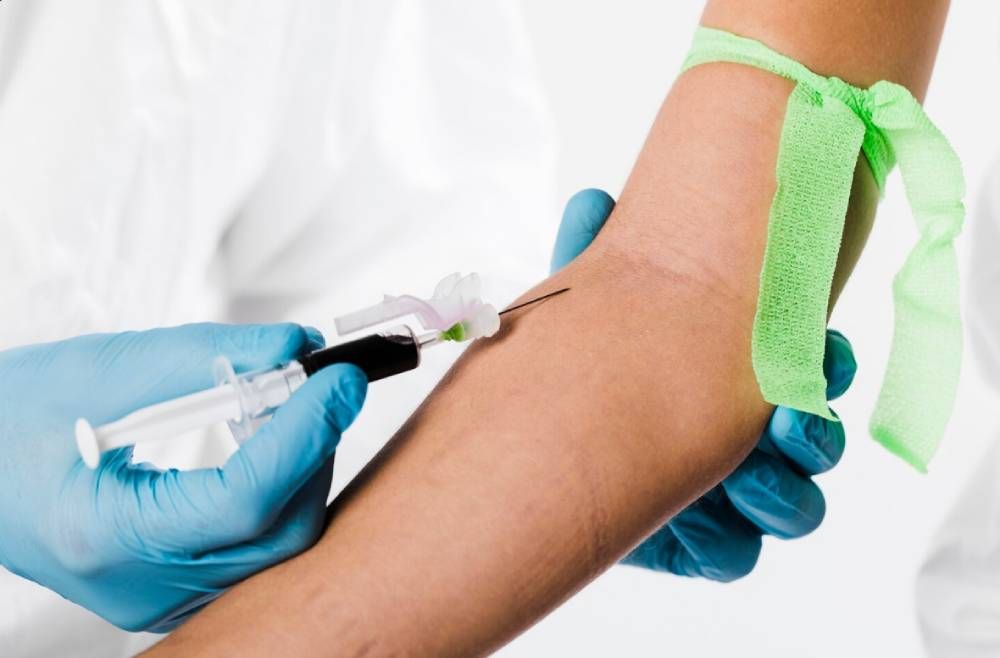
The albumin blood test procedure is a simple blood draw. Here is what to expect:
- A tourniquet is tied around your upper arm to make the vein visible
- The puncture site is cleaned, and a needle is inserted briefly
- You may feel a slight pinch or mild bruising afterwards, but discomfort fades quickly
- The sample is sent to the laboratory for analysis
You do not need to fast for a standalone albumin test. However, if your doctor has ordered a broader panel alongside it, fasting for several hours may be required. Your lab or collection centre will confirm this beforehand.
What Is the Albumin Blood Test Normal Range?
Here is a quick reference for healthy adults:
| Group | Albumin Reference Range (g/dL) |
|---|---|
| Adults and older adults | 3.5–5.0 |
| Children | 4.0–5.9 |
| Infants | 4.4–5.4 |
| Newborns | 3.5–5.4 |
| Premature infants | 3.0–4.2 |
Keep in mind that normal value ranges can vary slightly between laboratories. Always compare your result against the reference range printed on your specific lab report.
How Should You Interpret Your Albumin Blood Test Results?
Your albumin blood test results become meaningful when viewed alongside other markers. Here is what shifts in either direction can suggest.
What Do Low Levels Mean (Hypoalbuminaemia)?
A reading below the normal range may result from several hypoalbuminaemia causes:
- Liver dysfunction: Conditions like cirrhosis or hepatitis reduce the liver's ability to produce albumin.
- Kidney disorders: In nephrotic syndrome, the kidneys leak protein into urine, sometimes exceeding 3.5 g of protein loss per day.
- Severe malnutrition: Extended periods without adequate protein intake can lower production.
- Systemic inflammation or infections: These speed up albumin breakdown in the body.
Low albumin symptoms, such as swelling and fatigue, occur because reduced oncotic pressure allows fluid to escape blood vessels. Discuss any abnormal reading with your doctor for proper evaluation.
What Do High Levels Mean (Hyperalbuminaemia)?
Genuinely elevated albumin is extremely rare. Most high readings simply reflect dehydration. When your body loses water, the remaining blood becomes more concentrated, making albumin appear elevated. Rehydration usually brings values back to normal.
External Factors That Can Shift Your Scores
Certain non-disease factors also influence results:
- Medicines: Steroids, insulin, and hormonal treatments may raise albumin levels.
- Oral contraceptives: Birth control pills can lower readings.
- Pregnancy: Albumin levels naturally dip during pregnancy due to increased blood volume.
Mention all medicines and supplements to your doctor before the test.
Putting Your Albumin Results in Perspective
An albumin test offers a valuable snapshot of your liver, kidneys, and nutritional health. However, one abnormal number on its own does not tell the full story. Your healthcare provider will always read it alongside your complete metabolic panel to guide any next steps.
If you would like to check your serum albumin protein levels or get a full health screening, Lupin Diagnostics offers a wide range of tests at NABL-accredited labs and convenient home collection services across India.
Frequently Asked Questions
Do I need to fast before taking an albumin blood test?
Fasting is not required for a standalone albumin test. If your doctor has ordered additional tests like a lipid profile or full CMP, you may need to fast for several hours beforehand.
What is the difference between an albumin test and a microalbumin urine test?
The albumin blood test measures albumin in your blood. A microalbumin urine test checks for tiny amounts of albumin leaking into your urine, which can be an early sign of kidney damage.
Can a poor diet or low protein intake directly drop my albumin levels?
Yes, it can. Albumin levels may fall below normal if you have not eaten for 24 to 48 hours. Consistently low protein intake over time can also reduce production.
How long does a laboratory typically take to process albumin blood test results?
At Lupin Diagnostics, albumin blood test results are typically available within 1 to 2 days after sample collection.
How does severe dehydration cause a false spike in blood protein readings?
Dehydration reduces the water content in your blood. This concentrates existing proteins, making albumin appear higher than it truly is. The total amount of albumin has not increased.
What is the link between low serum albumin and body swelling (oedema)?
Low albumin reduces oncotic pressure inside blood vessels. Fluid then leaks into surrounding tissues, causing swelling in the legs, abdomen, or other areas. This is a hallmark feature of conditions like nephrotic syndrome.
This article is for informational purposes only and does not substitute professional medical advice, diagnosis, or treatment. Please consult a qualified healthcare provider for any medical concerns or before making changes to your health routine.
Featured Articles

Dehydrated How To Make A Lifesaving Diy Rehydration Drink For Cholera Recovery
Posted on: 22nd Jan 2026
Diabetes Screening For Diagnosis And Prevention
Posted on: 25th Oct 2023

Eating To Recover: The Best Foods For Getting Back On Your Feet After Cholera
Posted on: 22nd Jan 2026