LupiKavach Vitamin Check Jasmine (Vitamin Check Jasmine) Test
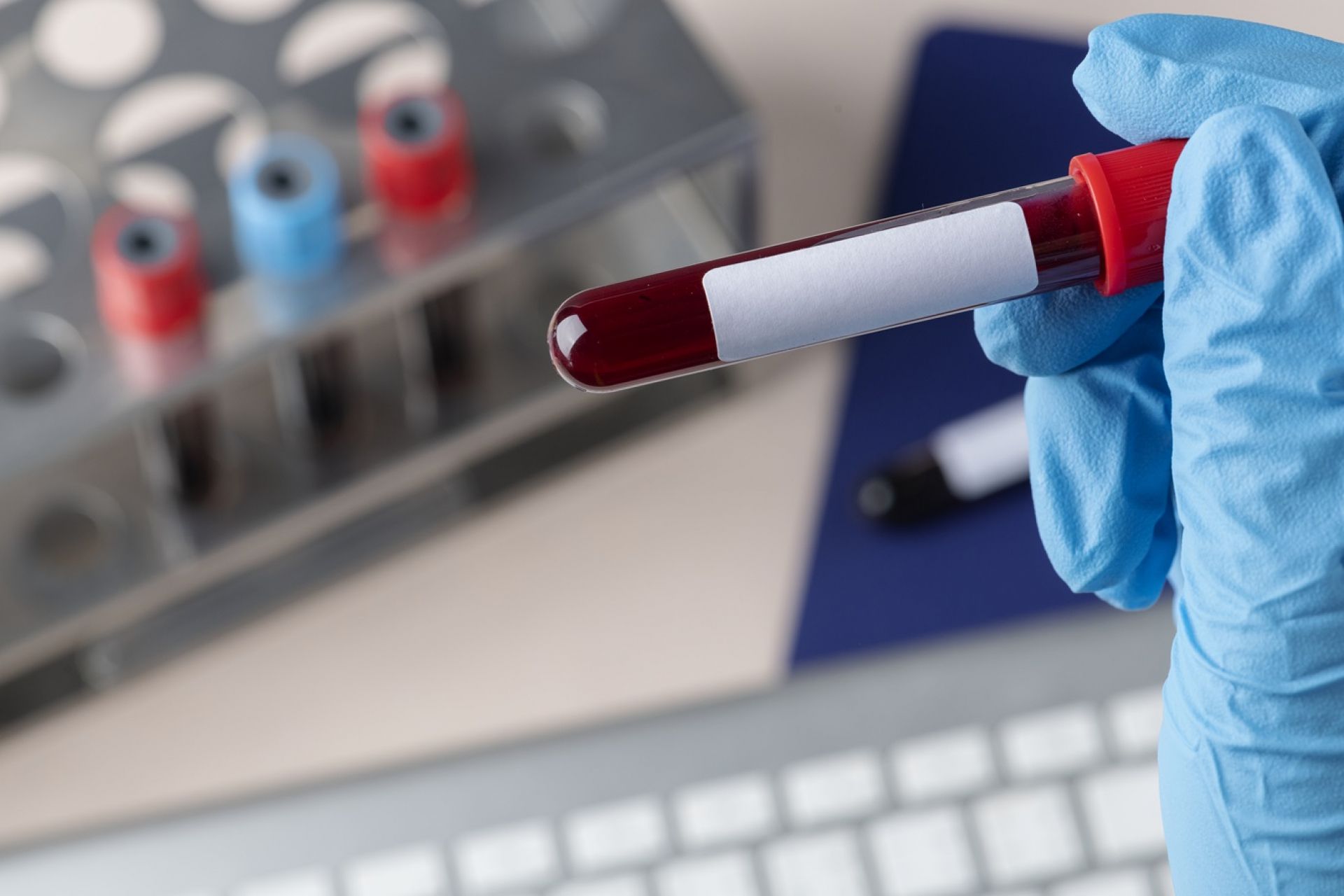
 Blood Sample
 Free Home Collection
 Digital Smart Report
 Recommended for Male/Female
 NABL & CAP Certified Labs
 Trusted by Leading Doctors & Organizations
About LupiKavach Vitamin Check Jasmine (Vitamin Check Jasmine) Test
LupiKavach Vitamin Check is a comprehensive vitamin test that measures three vital components: calcium, vitamin B12 (cyanocobalamin), and 25-OH (vitamin D). This test is crucial for identifying deficiencies in calcium, vitamin B12 and vitamin D, which can be early warning signs for various health issues. Insufficient levels of vitamin B12 may cause anemia and neurological disorders, while a deficiency in vitamin D can compromise bone strength, leading to rickets in children and osteomalacia in adults. Additionally, an extended lack of calcium can lead to dental problems, cataracts, and osteoporosis.
What is LupiKavach Vitamin Check Used For?
Your healthcare provider can identify the following vitamin deficiencies using the LupiKavach Vitamin Check test
 To identify calcium deficiency, bone issues, kidney disorders, and other related conditions.
 To determine deficiencies of Vitamin D and Vitamin B12.
Symptoms of Vitamin Deficiency
Signs and symptoms of common vitamin deficiencies, such as vitamin B12 deficiency, include:
-
 Tingling in the hands and feet
 -
 Irregular heartbeats
 -
 Fatigue
-
 Loss of appetite
-
 Shortness of breath
-
 Headaches
Who Should Get Tested?
The LupiKavach Vitamin Check is ideal for anyone showing signs of vitamin deficiencies. Even if you feel fine, you might still have a nutritional deficiency. If you are concerned about your nutritional status, testing can help ease your anxieties. Vitamin blood tests can assist in identifying the causes of various health concerns you may have.
Which Tests are Included in LupiKavach Vitamin Check?
The LupiKavach Vitamin Check offers the following selection of tests for vitamin deficiency screening:
Calcium: Measures calcium levels in the blood to monitor bone disease and overall calcium status.
Vitamin B12: Assesses vitamin B12 levels. Insufficient levels of vitamin B12 can result in anemia and various disorders affecting the nervous system.
Vitamin D (25 OH): Measures vitamin D levels. Abnormal vitamin D levels affects bone health and can cause fatigue or kidney problems.
Preparation for Test
Fasting samples must be collected after a minimum of 10-12 hours of fasting status. During this time, only water can be consumed. The patient is advised to not drink any beverages in the morning, such as tea, coffee, or milk, until the sample collection is completed.
Please tell your healthcare provider if you are taking any medications before undergoing the test as certain medications may interfere with the accuracy of the test results.
Interpretation of results
Calcium
| Result in mg/mL | Interpretation of values |
|---|---|
| <8.5 mg/dL | Deficient |
| 8.5 to 10.2 mg/dL | Normal |
| >10.2 mg/dL | Excess(toxicity) |
- Higher-than-normal levels of calcium may be due to underlying conditions such as overactive parathyroid glands (hyperparathyroidism), certain types of bone cancer, bone disorders, etc.
- Lower-than-normal levels of calcium may be due to underlying conditions such as low levels of blood protein, underactive parathyroid glands, pancreatitis, kidney disease, etc.
Vitamin B12
| Results in picograms per milliliter (pg/mL) | Interpretation of values |
|---|---|
| Below 160 pg/mL | Low |
| 200 to 600 pg/mL | Normal |
| 800 pg/mL | High |
Below the normal range:
Vitamin B12 levels less than 200 pg/mL are considered low and indicate vitamin B12 deficiency, pernicious anemia, or an overactive thyroid. Neurological symptoms are common in people with low vitamin B12 levels.
Above the normal range:
A vitamin B12 level of 900 pg/mL or more is considered abnormally high and may indicate liver or kidney problems, diabetes, or some form of leukemia (blood cancer).
Vitamin D (25 OH)
| Reference Range (25(OH)D) | Interpretation |
|---|---|
| <20 ng/mL / (<50 nmol/L) | Deficient |
| 20 – <30 ng/mL / (50 – <75 nmol/L) | Insufficient |
| 30 –100 ng/mL / (75 – 250 nmol/L) | Sufficient |
| > 100 ng/mL / (> 250 nmol/L) | Potential Toxicity |
Vitamin D deficiency or insufficiency means you are:
- Not getting sufficient vitamin D from your diet or exposure to sunlight.
- Having trouble absorbing vitamin D from your food (sign of a malabsorption disorder).
- Having trouble changing vitamin D into a form your body can use (sign of kidney or liver disease).
Higher concentrations of total vitamin D may occur as a result of excessive vitamin D intake, (Hypervitaminosis D). This condition suggests that an individual is obtaining too much vitamin D from supplements. Excessive vitamin D levels can result in severe damage to organs and blood vessels.
FAQ
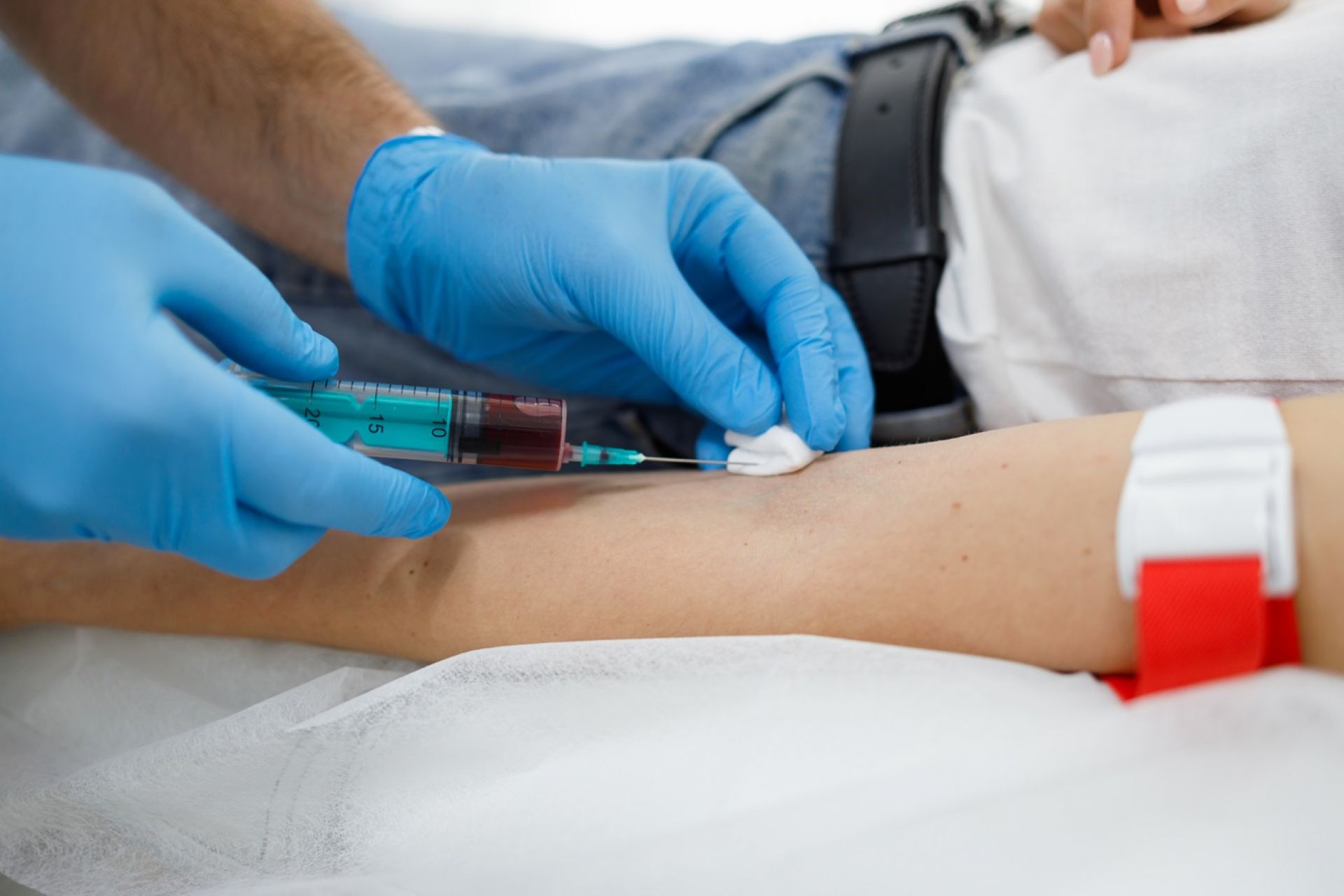
A phlebotomist (a professional specially trained to draw blood) will start by cleaning your skin with an antiseptic alcohol swab or wipe. They will then use a needle to collect a blood sample from your vein. This blood sample will then be sent to the lab for testing.
During a blood test, you may feel a bit of pain or see some bruising at the site where the needle is inserted, but these symptoms usually disappear quickly.
The frequency of the LupiKavach Vitamin Check test depends on individual nutritional status and existing medical conditions. It is advisable to consult your healthcare provider to determine the appropriate testing frequency for your specific situation.
Yes. Undergoing the LupiKavach Vitamin Check test during pregnancy can assist in identifying any abnormalities in the mother's vitamin status and the potential risks these may pose to the baby.
Certain medications, such as phenytoin, may influence the outcomes of the LupiKavach Vitamin Check test. If you are taking vitamin supplements, consult your healthcare provider prior to undergoing this test.
LupiKavach Vitamin Check Jasmine (Vitamin Check Jasmine) Test