LupiKavach Vitamin Check
 Blood Sample
 Free Home Collection
 Digital Smart Report
 Recommended for Male/Female
 NABL & CAP Certified Labs
 Trusted by Leading Doctors & Organizations
The LupiKavach Health Screen Package - Dahlia is suitable for individuals who want to monitor their overall health condition. It offers a variety of tests to assess the condition of the heart, kidney, thyroid, liver, etc. Additionally, it includes tests for blood sugar, lipid profile, complete urine examination, calcium, and phosphorous. These screening tests can aid in the early detection of significant health issues. It is suitable for individuals of all age groups and is usually performed every 6 to 12 months or as advised by your healthcare provider.
What is LupiKavach Health Screen Package - Dahlia Used For?
Your healthcare provider can identify a variety of disease conditions using the LupiKavach Health Screen Package – Dahlia:
-
 To detect the presence of diabetes or pre-diabetes.
-
 To evaluate cholesterol and triglyceride levels to assess heart disease risk.
-
 To detect indications of a urinary tract infection or the presence of kidney stones.
-
 To detect potential early-stage kidney conditions like kidney stones, renal failure, or complications resulting from high blood pressure.
-
 To assess liver health, helping identify liver diseases or conditions.
-
 To evaluate thyroid gland function, crucial for metabolism and overall health.
-
 To identify calcium deficiency, bone issues, kidney disorders, and other related conditions.
Symptoms of Vitamin Deficiency
Signs and symptoms of common vitamin deficiencies, such as vitamin B12 deficiency, include:
-
 Tingling in the hands and feet
 -
 Irregular heartbeats
 -
 Fatigue
-
 Loss of appetite
-
 Shortness of breath
-
 Headaches
Who Should Get Tested?
The LupiKavach Health Screen Package - Dahlia is suitable for individuals with few or no pre-existing health conditions. Additionally, the comprehensive health check-up is primarily meant for screening purposes rather than diagnosis. Therefore, it is suitable for males and females of all age groups.
Which Tests are Included in LupiKavach Health Screen Package - Dahlia Test?
The LupiKavach Health Screen Package - Dahlia offers the following selection of tests for comprehensive health screening.
Blood sugar-fasting: Measures blood sugar after an overnight fast (10-12 hours) to assess blood sugar control.
Lipid profile: Measures cholesterol and triglyceride levels to assess the risk of cardiovascular diseases such as heart attack and stroke.
Kidney Function Test (KFT) GOLD: Evaluates kidney health by measuring urea, creatinine, uric acid, protein, and electrolytes, helping to detect conditions such as diabetes and high blood pressure.
Liver Function Test (LFT) GOLD: Assesses liver health by measuring enzymes and proteins, useful for diagnosing liver infections, jaundice, and cirrhosis.
Complete Urine Examination: Analyzes urine's physical and chemical properties to diagnose kidney diseases, urinary tract infections, and metabolic disorders.
Thyroid Profile Total: Measures Total T3, Total T4, and TSH to evaluate thyroid function and diagnose thyroid disorders such as hypothyroidism or hyperthyroidism.
Calcium: Measures calcium levels in the blood (total or ionized) to monitor bone disease and overall calcium status.
Phosphorus: Measures phosphorus levels in the blood to check for bone and kidney disease, vitamin D abnormalities.
Preparation for Test
The LupiKavach Health Screen Package - Dahlia requires a blood sample to be taken following a 12-hour fasting period. While fasting, individuals may only consume water. The urine sample should be collected as the mid-stream sample of the first urine passed in the morning.
Please tell your healthcare provider if you are taking any medications before undergoing the test as certain medications may interfere with the accuracy of the test results.
Interpretation of Test Results
Blood sugar-fasting
| Fasting Blood Sugar (mg/dL) | Result |
|---|---|
| Less than 99 | Normal |
| Between 100 – 125 | Pre-diabetes |
| 126 and above | Diabetes |
- Fasting blood sugar between 100-125 mg/dL indicates pre-diabetes. Your healthcare provider may recommend that you repeat this test every year or two.
- Blood sugar levels above 126 mg/dL may indicate diabetes. High glucose levels could indicate hyperthyroidism, a disorder of the pancreas, stress due to surgery, or a life-threatening illness or trauma.
Lipid profile
| Parameters | Normal Lipid Profile Levels |
|---|---|
| Total Cholesterol | Up to 200 mg/dL |
| LDL Cholesterol | Less than 100 mg/dL (For people with diabetes: Below 70 mg/dL) |
| VLDL Cholesterol | 0 – 30 mg/dL |
| HDL Cholesterol | 40 – 60 mg/dL |
| Triglycerides | Less than 150 mg/dL |
- Having higher-than-normal levels of total cholesterol, LDL, and triglycerides can increase your risk of cardiovascular diseases.
- Having lower-than-normal levels of HDL can increase your risk of cardiovascular disease.
- Having abnormally low cholesterol levels is rare. It indicates the presence of an underlying disease that is causing chronic infections, inflammation, and malnourishment.
Kidney Function Test (KFT) GOLD
| Parameters | Normal Levels |
|---|---|
| Estimated GFR (eGFR) | Greater than 90 mL/min/1.73 m² |
| Serum creatinine | 0.6 – 1.1 mg/dL in women 0.7 – 1.3 mg/dL in men |
| Blood urea nitrogen (BUN) | 7 – 20 mg/dL |
| Microalbuminuria | Less than 30 mg |
| Albumin-Creatinine Ratio | Less than 30 mg per gram |
| Creatinine clearance | 88 – 128 mL/min for healthy women 97 – 137 mL/min for healthy men |
- Abnormal levels of hemoglobin, RBC count, or hematocrit may be an indication of anemia, heart disease, or iron deficiency.
- A high white blood cell count may be an indication of infection or inflammation in the body.
- The presence of pus cells, RBCs, or WBCs in the urine may be an indication of urinary tract infections.
- Abnormalities in the serum creatinine or proteins in the urine may be an early sign of kidney disease.
Liver Function Test (LFT) GOLD
| Parameters | Normal Liver Function Test Values |
|---|---|
| Alanine Aminotransferase (ALT) | 13 – 69 U/L |
| Aspartate Aminotransferase (AST) | 15 – 46 U/L |
| Alkaline phosphatase (ALP) | 38 – 126 U/L |
| Total Serum Protein | 5.5 – 8.0 g/L |
| Albumin | 3.5 – 5.0 g/L |
| Globulin | 2.0 – 3.5 g/L |
| Total Bilirubin | 0.0 – 1.1 mg/dL |
| Conjugated bilirubin (direct) | 0.0 – 0.3 mg/dL |
| Unconjugated bilirubin (indirect) | 0.0 – 1.1 mg/dL |
| Gamma-glutamyl transferase (GGT) | 9 – 48 U/L |
| L-lactate dehydrogenase (LD) | 100 – 280 U/L |
| Prothrombin time (PT) | The normal range for PT results (not on blood-thinning medicines): 11 – 13.5 seconds INR of 0.8 – 1.1 On blood thinners: INR of 2.0 – 3.0 |
- A higher ALT test result than normal can be a sign of liver damage. Very high levels are most often caused by viral hepatitis, ischemic hepatitis, or injury from drugs or other chemicals.
- A high result of AST may be because of a problem with your liver or muscles. Elevated AST without elevated ALT may indicate heart or muscle disease. If ALT, bilirubin, and ALP are also elevated, it may indicate liver damage.
- Elevated levels of ALP may be a sign of liver inflammation, blockage of the bile ducts, or bone disease.
- A low albumin test result may indicate that the liver is not functioning properly. This occurs in diseases such as cirrhosis of the liver, malnutrition, and cancer.
- A high bilirubin test result may indicate that the liver is not functioning properly. Elevated bilirubin levels with elevated ALT or AST levels may indicate cirrhosis or hepatitis.
- A high GGT test result may indicate damage to the liver or bile ducts.
- Elevated levels of LD or PT may indicate liver damage.
Complete Urine Examination
| Test | Normal Value |
|---|---|
| Color | Yellow |
| Clarity | Clear or cloudy |
| Bilirubin | Negative |
| Glucose | Negative or trace |
| Hemoglobin / Blood | Negative or trace |
| Ketones | Negative, none, or trace |
| Protein | Negative or trace |
| Leukocyte esterase | Negative or trace |
| Nitrite | Negative |
| Urine pH | 5.0 – 8.0 |
| Urine specific gravity | 1.005 – 1.030 |
| Bacteria | None or negative |
| Casts | 0 / LPF (low powered field) |
| Urine RBC | 0 – 3 / HPF (high powered field) |
| Urine WBC | 0 – 5 / HPF |
| Yeast | None or negative |
- Urine usually contains a variety of chemicals and substances. It is generally clear with a light yellow colour. The pH level should be between 4.5 and 8, indicating its acidity or alkalinity.
- Urine is typically free of protein, glucose, and ketones. Under a microscope, a normal examination will reveal up to 5 red blood cells, 5 white blood cells, and no bacteria. Any results that deviate from these may indicate a specific health issue.
Thyroid Profile Total
| Parameters | Normal Thyroid Profile Levels |
|---|---|
| Thyroid Stimulating Hormone (TSH) | 0.40 – 4.50 mIU/mL |
| Thyroxine (T4) | 5.0 – 11.0 µg/dL |
| Free Thyroxine (Free T4) | 0.9 – 1.7 ng/dL |
| Triiodothyronine (T3) | 100 – 200 ng/dL |
| Free Triiodothyronine (Free T3) | 2.3 – 4.1 pg/mL |
- A higher than normal TSH level or lower T3 and T4 levels may be due to conditions like an underactive thyroid gland (hypothyroidism), malnutrition, and severe acute illness.
- A lower than normal TSH level or higher T3 and T4 levels may be due to an overactive thyroid gland, which can be caused by conditions like Grave’s disease, toxic nodular goiter or multinodular goiter, too much iodine in the body, and taking too much thyroid hormone medicine.
Calcium
| Result in mg/mL | Interpretation of Values |
|---|---|
| < 8.5 mg/dL | Deficient |
| 8.5 – 10.2 mg/dL | Normal |
| > 10.2 mg/dL | Excess (toxicity) |
- Higher-than-normal levels of calcium may be due to underlying conditions such as overactive parathyroid glands (hyperparathyroidism), certain types of bone cancer, bone disorders, etc.
- Lower-than-normal levels of calcium may be due to underlying conditions such as low levels of blood protein, underactive parathyroid glands, pancreatitis, kidney disease, etc.
Phosphorus
| Mineral | Normal Range |
|---|---|
| Phosphorus | 3.4 – 4.5 mg/dL (milligrams per decilitre) |
- Higher phosphorous levels than normal may be due to or associated with underlying conditions such as kidney failure, liver disease (cirrhosis), hypoparathyroidism, etc.
- Lower phosphorous levels than normal may be due to or associated with underlying conditions such as increased serum calcium, overuse of diuretics, malnutrition or malabsorption of phosphorous, chronic alcoholism, etc.
FAQ On Lupikavach Health Screen Package Dahlia
A complete urine examination requires a urine sample, and a blood sample is necessary for the other tests in this panel.
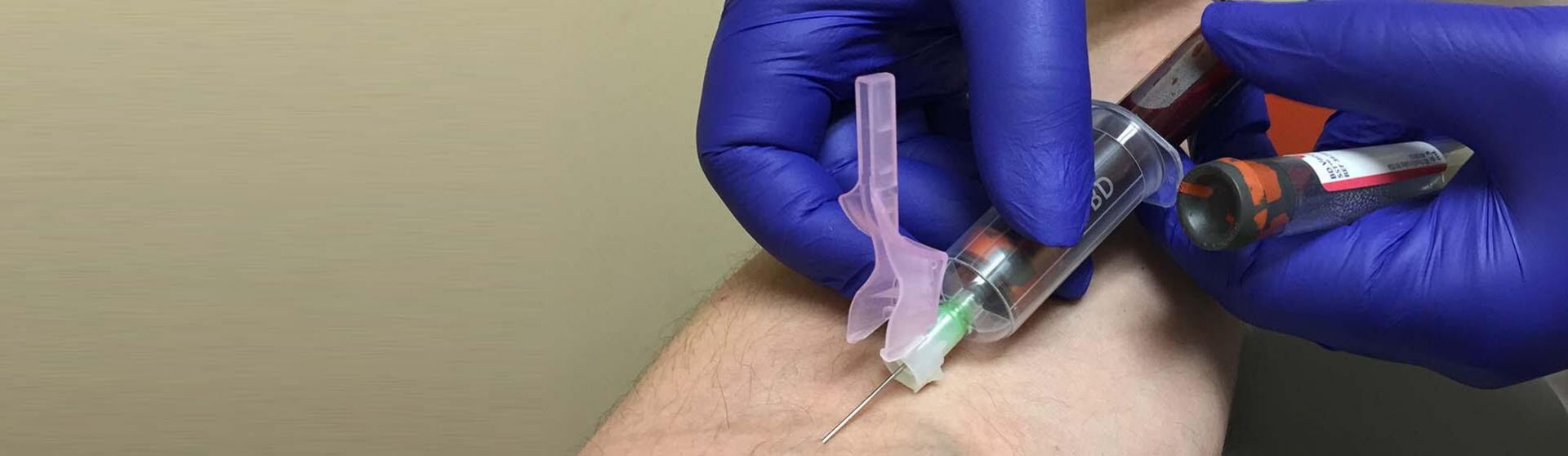
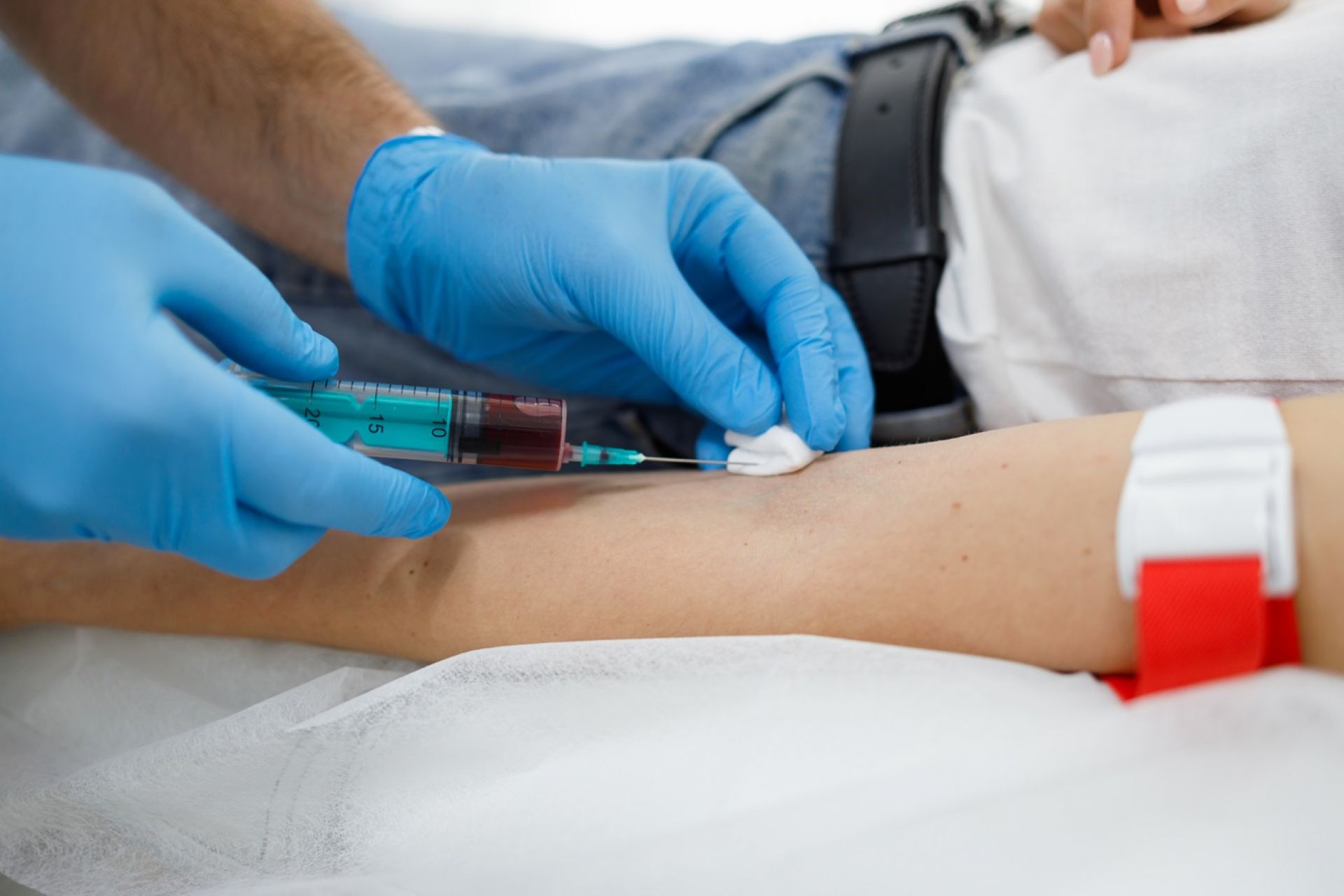
A small amount of blood is taken from a vein in your arm using a small needle to collect the blood sample.
Your healthcare provider will provide you with a sterile container to collect the urine sample. Proper urine sample collection involves using the midstream technique. It is important to discard the first urine drops to prevent contamination by microorganisms on the genital surface. Before collecting the sample, cleanse the genital area.
During a blood test, you may experience minor pain or bruising at the needle insertion site, but most symptoms will subside quickly. The urine collection process is not associated with any risks.
It is generally recommended to start undergoing routine health check-ups in early adulthood and to maintain them regularly throughout life, adjusting the frequency and types of tests based on age and risk factors.
Test reports should be interpreted by a qualified medical practitioner, but you can still check the report forms for normal ranges of all tests. If any test shows abnormal results, it is important to consult with your healthcare provider immediately. It is important to avoid self-medicating or beginning any treatment without consulting a healthcare provider.
LupiKavach Health Screen Package Dahlia