LupiKavach Health Package - Orchid
 Blood Sample
 Free Home Collection
 Digital Smart Report
 Recommended for Male/Female
 NABL & CAP Certified Labs
 Trusted by Leading Doctors & Organizations
The LupiKavach Health Package - Orchid is beneficial for individuals who want to monitor their overall well-being. It includes comprehensive tests and panels to identify a wide range of diseases, offering detailed insights on heart, kidney, liver, thyroid, bone, diabetes, anemia, vitamin deficiencies.
What is LupiKavach Health Package - Orchid Used For?
Undergoing a LupiKavach Health Package - Orchid is important for several reasons:
-
 To determine whether an individual has diabetes or is at risk of pre-diabetes.
-
 To determine heart disease risk.
-
 To detect indications of a urinary tract infection or the presence of kidney stones.
-
 To detect potential early-stage kidney conditions like kidney stones or complications resulting from high blood pressure.
-
 To determine liver health, facilitating the diagnosis and monitoring of liver diseases.
-
 To evaluate thyroid gland function, which is crucial for monitoring metabolism and overall health.
-
 To assess overall health, detect anemia, infections, and inflammatory conditions.
-
 To assess deficiencies of vitamin B12 and vitamin D.
-
 To detect iron deficiency or overload, which can lead to anemia or other health issues.
-
 To identify calcium deficiency, bone issues, kidney disorders, and other related conditions.
-
 To identify inflammation levels and evaluate the risk of cardiovascular disease.
Who Should Get Tested?
The LupiKavach Health Screen Package - Orchid is suitable for individuals with few or no pre-existing health conditions. Additionally, the comprehensive health check-up is primarily meant for screening purposes rather than diagnosis. Therefore, it is suitable for males and females of all age groups.
Which Tests are Included in LupiKavach Health Package - Orchid Test?
The LupiKavach Health Package - Orchid offers the following tests for comprehensive health screening:
LupiKavach Health Screen Package - Daisy: Evaluates blood glucose levels, Hemoglobin A1c, comprehensive blood count, lipid profiles, renal and hepatic function, urinalysis, thyroid function, as well as the levels of vitamin B12, vitamin D, phosphorus, calcium, and iron studies.
High-Sensitivity C-Reactive Protein (hs-CRP): Detects low CRP levels. It is used to evaluate inflammation levels and determine the risk of stroke and heart disease.
Preparation for Test
The LupiKavach Health Package - Orchid requires a blood sample to be taken following a 12-hour fasting period. While fasting, individuals may only consume water. The urine sample should be collected as the mid-stream sample of the first urine passed in the morning.
Please tell your healthcare provider if you are taking any medications before undergoing this test package, as certain medications may interfere with the accuracy of the test results.
Interpretation of Test Results
Blood sugar-fasting
High fasting glucose levels could indicate diabetes, a disorder of the pancreas, or hyperthyroidism.
Lipid profile
- Having higher-than-normal levels of LDL, total cholesterol, and triglycerides increases your risk of cardiovascular diseases.
- Having lower-than-normal levels of HDL can increase your risk of cardiovascular disease.
- Having abnormally low cholesterol levels is rare. It indicates the presence of an underlying disease that is causing chronic infections, inflammation, or malnourishment.
Kidney Function Test (KFT) GOLD
- An eGFR value below 60 may signify various stages of kidney function impairment and damage.
- Having higher-than-normal of serum creatinine and BUN levels in the blood increases the risk of kidney disease.
- Having higher-than-normal levels of urine albumin and albumin-creatinine ratio can increase the risk of kidney disease and other diseases like diabetes and high blood pressure.
Liver Function Test (LFT) GOLD
- An elevated ALT test result can be a sign of liver damage, with very high levels often caused by viral hepatitis or injury from drugs.
- An elevated AST test result may suggest an issue related to either the liver or the muscles. If AST is elevated without a corresponding increase in ALT, this may suggest heart or muscle-related diseases. Additionally, elevated levels of ALT, bilirubin, and ALP, when observed with AST, may point to liver damage.
- An elevated level of ALP may suggest blocked bile ducts, liver inflammation, or bone disease.
- A low albumin test result may suggest cirrhosis, malnutrition or cancer.
- A high bilirubin test result may indicate liver dysfunction, especially when accompanied by elevated ALT or AST levels, which may suggest cirrhosis or hepatitis.
- A high GGT test result may indicate damage to the liver or bile ducts.
- An elevated level of LD or PT may indicate liver damage.
Complete Urine Examination
- Urine usually contains a variety of chemicals and substances. It typically appears clear with a light yellow colour. The urine pH level should fall between 4.5 and 8.
- Urine is typically free of protein, glucose, and ketones. Under a microscope, a normal examination will reveal up to 5 red blood cells, 5 white blood cells, and no bacteria. Any results that deviate from these may indicate a specific health issue.
Thyroid Profile Total
- If TSH levels are higher than usual or T3 and T4 levels are lower, it might be a sign of conditions like hypothyroidism, malnutrition, or a severe acute illness.
- If TSH levels are lower than normal or if T3 and T4 levels are higher, it could suggest that the thyroid gland is overactive. This situation may be linked to conditions such as Grave’s disease, toxic nodular goiter, multinodular goiter, too much iodine in the system, or excessive thyroid hormone medication.
Calcium
- Higher-than-normal levels of calcium may be due to underlying conditions such as overactive parathyroid glands (hyperparathyroidism), certain types of bone cancer, bone disorders, etc.
- Lower-than-normal levels of calcium may be due to underlying conditions such as low levels of blood protein, underactive parathyroid glands, pancreatitis, kidney disease, etc.
Complete Blood Count (CBC)
- Abnormal levels of hemoglobin, hematocrit, or RBCs can be signs of heart disease, anemia, or iron deficiency.
- Low white blood cell count may be indicative of a bone marrow disorder, an autoimmune disorder, or cancer.
- High white blood cell count may be indicative of an inflammation, an infection, or a reaction to a medication.
Hemoglobin (Hb)A1c
- Having higher-than-normal HbA1c levels indicates that you have too much sugar in your blood. Long-term elevated sugar levels may lead to diabetes complications such as hypertension, eye disorders, diabetic foot, etc.
- Having lower-than-normal HbA1c levels indicates that you have low sugar levels in your blood. It may suggest inflammation or liver function abnormalities.
Vitamin B12
Below the normal range:
Vitamin B12 levels less than 200 pg/mL are considered low and indicate vitamin B12 deficiency, pernicious anemia, or an overactive thyroid. Neurological symptoms are common in people with low vitamin B12 levels.
Above the normal range:
A vitamin B12 level of 900 pg/mL or more is considered abnormally high and may indicate liver or kidney problems, diabetes, or some form of leukemia (blood cancer).
Vitamin D (25 OH)
Vitamin D deficiency or insufficiency means you are:
- Not getting sufficient vitamin D from your diet or exposure to sunlight.
- Having trouble absorbing vitamin D from your food (sign of a malabsorption disorder).
- Having trouble changing vitamin D into a form your body can use (sign of kidney or liver disease).
Higher concentrations of total vitamin D may occur as a result of excessive vitamin D intake, (Hypervitaminosis D). This condition suggests that an individual is obtaining too much vitamin D from supplements. Excessive vitamin D levels can result in severe damage to organs and blood vessels.
Phosphorus
- Higher phosphorous levels than normal may be due to conditions such as kidney failure, liver disease (cirrhosis), hypoparathyroidism, etc.
- Lower phosphorous levels than normal may be due to conditions such as increased serum calcium, overuse of diuretics, malnutrition or malabsorption of phosphorous, chronic alcoholism, etc.
Iron Studies
A higher-than-normal level may be caused by:
- Excessive iron levels in the body (hemochromatosis
- Anemia due to red blood cells being destroyed quickly (hemolytic anemia)
- Liver tissue death
- Inflammation of the liver (hepatitis)
- Iron poisoning
A higher-than-normal level may be caused by:
- Long-term digestive tract bleeding
- Heavy menstrual bleeding
- Intestinal conditions causing poor absorption of iron
- Iron deficiency in the diet
- Types of anemia
- Inherited blood disorder causing the body to make fewer red blood cells (thalassemia)
hsCRP Risk of cardiovascular diseases
Higher hs-CRP values indicate a higher risk of cardiovascular disease (CVD), while lower values suggest a lower risk.
FAQ on LupiKavach Health Package - Orchid
A complete urine examination requires a urine sample, and a blood sample is necessary for the other tests in this package.
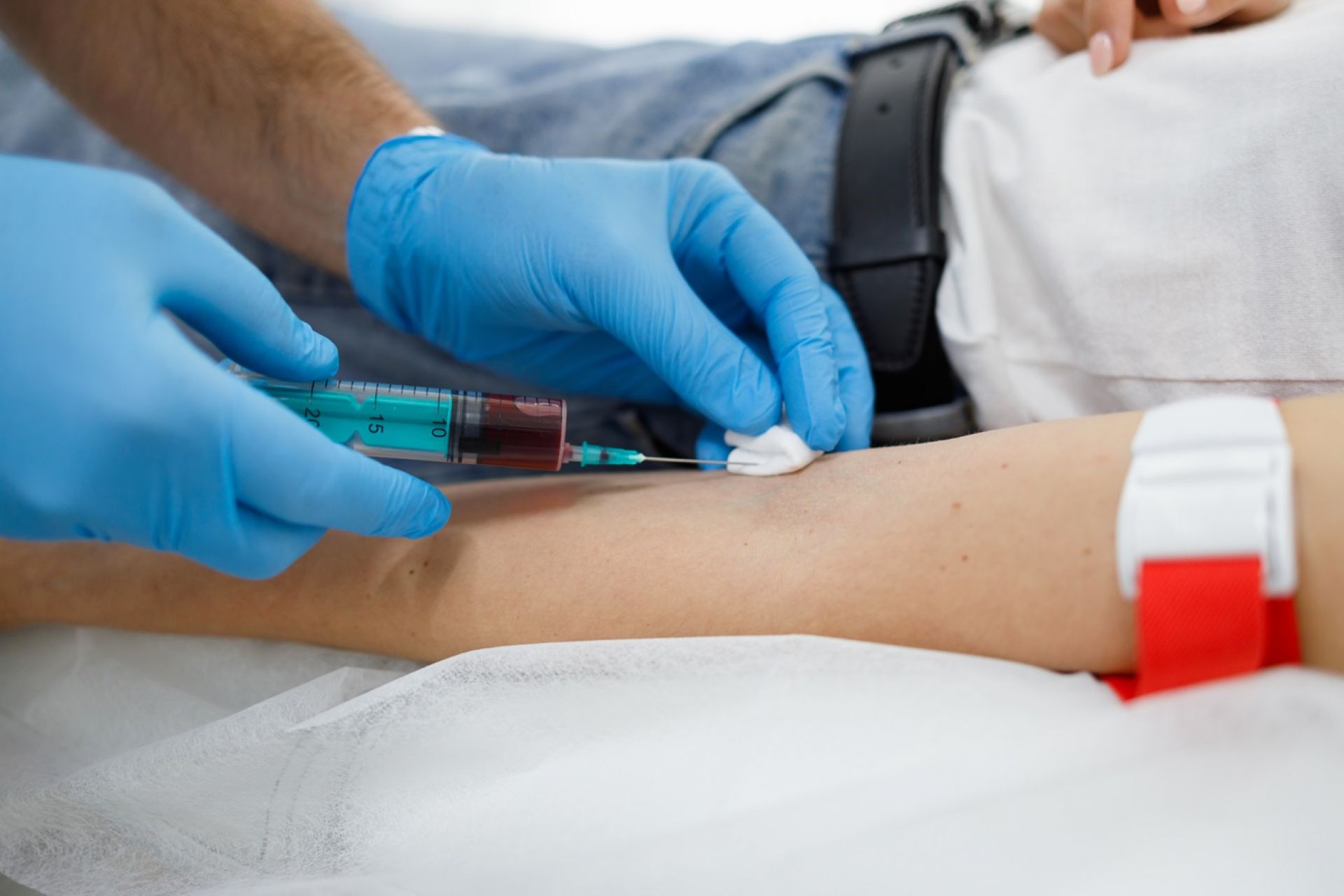
A small quantity of blood is extracted from a vein in your arm with a needle in order to obtain the blood sample.
Proper urine sample collection involves using the midstream technique. It is important to discard the first urine drops to prevent contamination by microorganisms on the genital surface. Before collecting the sample, cleanse the genital area.
The frequency of these tests depends on individual health conditions and risk factors. For general health monitoring, many people have a comprehensive health screen annually. For those with specific health concerns, such as diabetes, cardiovascular risk, or allergies, your healthcare provider might recommend more frequent testing. It is best to follow the advice of your healthcare provider based on your personal health needs.
While these tests provide valuable information about various aspects of your health, they cannot detect every possible health issue. The LupiKavach Health Package - Orchid package is designed to screen for specific conditions and monitor certain health parameters. Some health conditions might require additional tests or screenings. It is important to have regular check-ups with your healthcare provider to ensure a comprehensive assessment of your health.
LupiKavach Health Package - Orchid