LupiKavach Complete Heart Check
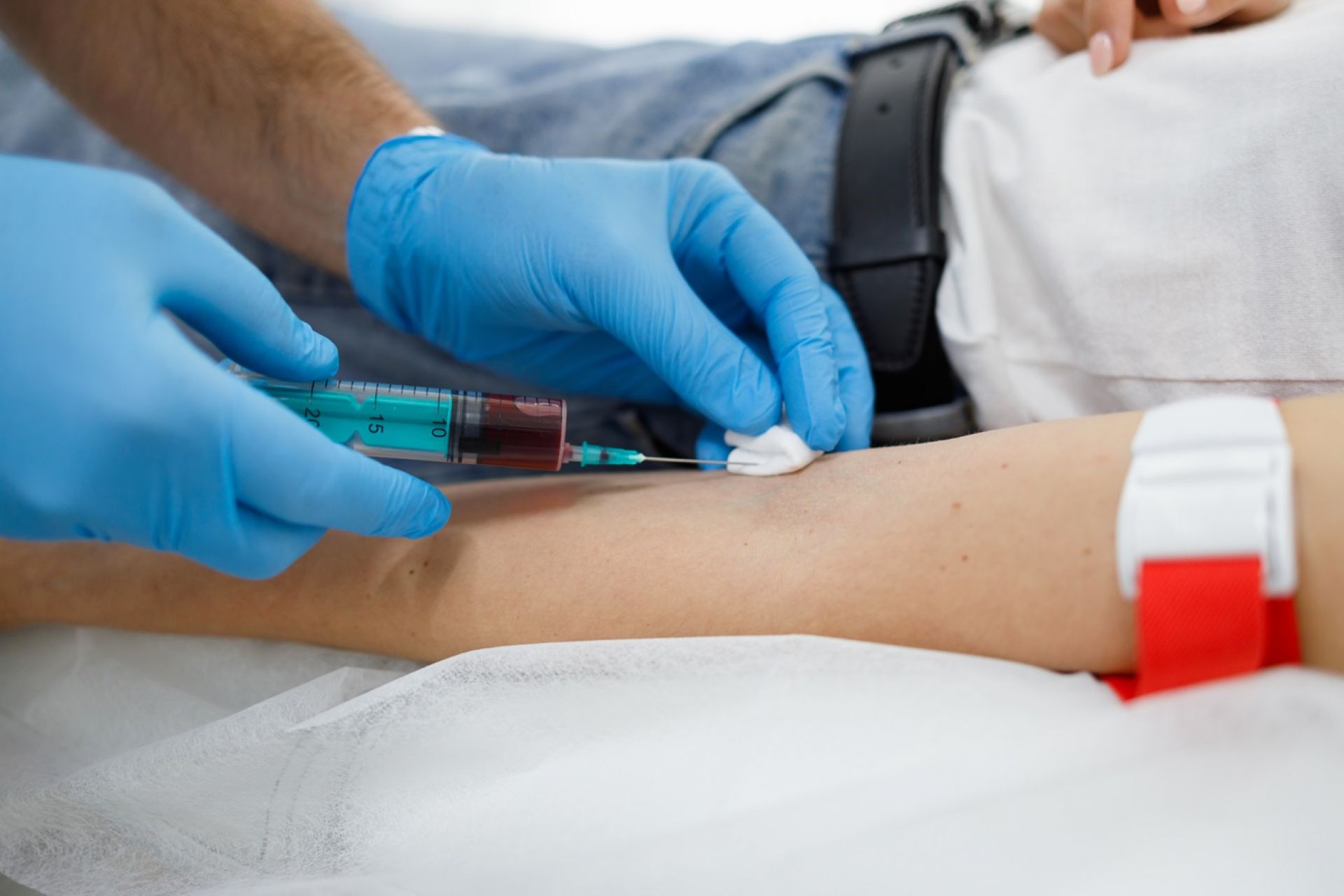
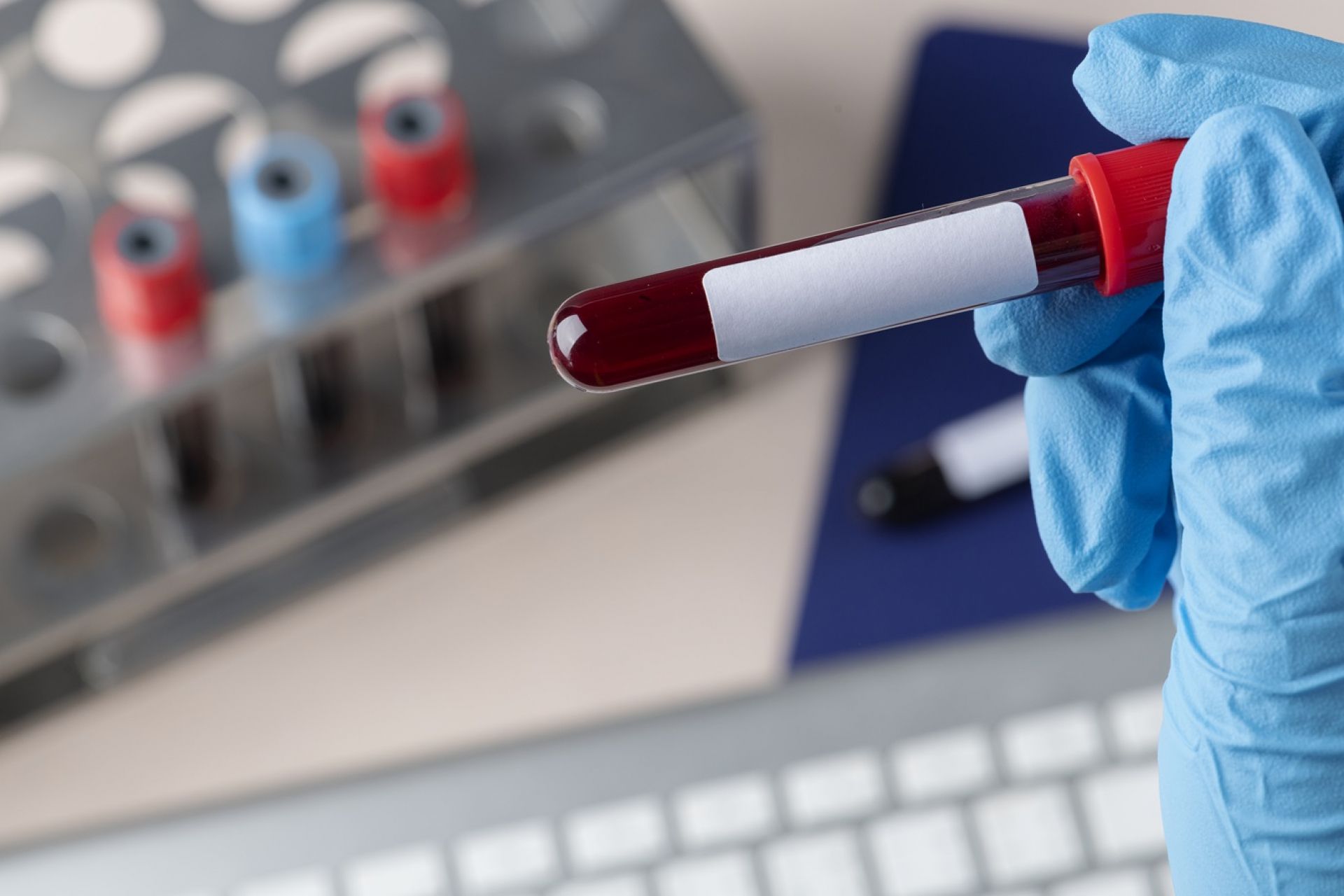
 Blood Sample
 Free Home Collection
 Digital Smart Report
 Recommended for Male/Female
 NABL & CAP Certified Labs
 Trusted by Leading Doctors & Organizations
The LupiKavach Complete Heart Check package is a comprehensive panel that is designed to evaluate the health of your heart. This test is important for diagnosing and monitoring various cardiac conditions. By analyzing different parameters in the blood, this package provides valuable insights for healthcare providers into heart function.
What is LupiKavach Complete Heart Check Used For?
Undergoing a LupiKavach Complete Heart Check package is important for several reasons:
-
 To evaluate cholesterol and triglyceride levels to assess the risk of heart disease.
-
 To detect inflammation levels and evaluate cardiovascular disease risk.
-
 To detect muscle damage or injury and assess heart and brain health.
-
 To assess adrenal function and the body's response to stress.
-
 To evaluate the risk for heart disease.
-
 To detect levels of blood cells.
-
To ascertain the risk of stroke and cardiovascular diseases.
Symptoms of Cardiovascular Diseases
The signs and symptoms of cardiovascular diseases depend on the specific condition present and may include:
-
 Chest pain
-
 Numb legs and/or arms
-
 Breathlessness
-
Abnormal heartbeat
-
 Dizziness
-
 Fatigue
-
 Swollen limbs
Who Should Get Tested?
Those who are recommended to undergo a LupiKavach Complete Heart Check package include:
-
 In cases of illness accompanied by a fever or suspected infection.
-
 Individuals with liver disease such as jaundice, cirrhosis, or fatty liver, as well as those who are overweight, have diabetes, or high blood pressure.
-
 Middle-aged adults.
Which Tests are Included in LupiKavach Complete Heart Check Test?
The LupiKavach Complete Heart Check offers the following tests for comprehensive health screening:
Lipid profile: Measures cholesterol and triglyceride levels to assess the risk of cardiovascular diseases such as heart attack and stroke.
High-Sensitivity C-Reactive Protein (hs-CRP): Detects low CRP levels. It is used to evaluate inflammation levels and determine the risk of stroke and heart disease.
Creatine Phosphokinase (CPK): Measures CPK enzyme levels. Increased levels of creatine phosphokinase may be caused by muscle injury or heart disease.
Cortisol: Measures blood cortisol levels, a hormone produced by the adrenal gland that affects stress and metabolism.
Apolipoprotein A1 and B, ApoB/A1 Ratio: Measures proteins related to cholesterol metabolism. Apo A1 is associated with high-density lipoprotein (HDL), while Apo B is linked to low-density lipoprotein (LDL). ApoB/A1 is a key indicator of the balance of apolipoproteins present in your body
Complete Blood Count (CBC): Measures white blood cells (WBC), red blood cells (RBC), platelets (PLT), etc. to evaluate each type of blood cell in your blood.
Homocysteine: Measures the levels of homocysteine present in the blood stream. Homocysteine is one of several amino acids in the body.
Preparation for Test
The LupiKavach Complete Heart Check does not require any special preparation. Please inform your healthcare provider if you are taking any medications before undergoing this test package, as certain medications may interfere with the accuracy of the test results.
Interpretation of Test Results
Lipid profile
- Having higher-than-normal levels of LDL, total cholesterol, and triglycerides increases your risk of cardiovascular diseases.
- Having lower-than-normal levels of HDL can increase your risk of cardiovascular disease.
- Having abnormally low cholesterol levels is rare. It indicates the presence of an underlying disease that is causing chronic infections, inflammation, or malnourishment.
(hs-CRP) Risk of cardiovascular diseases
Higher hs-CRP values indicate a higher risk of cardiovascular disease (CVD), while lower values suggest a lower risk.
Creatine Phosphokinase (CPK)
Higher-than-normal levels of CPK may be due to underlying conditions like:
- Convulsions (seizures)
- Damage or strain to muscle tissue, the heart, or the brain
- Brain tumours
- Electric injuries
Cortisol
- An elevated level could suggest Cushing disease, adrenal gland tumour overproducing cortisol, stress, or acute illness.
- An abnormally low level could suggest Addison's disease, hypopituitarism, or the suppression of normal adrenal or pituitary function by glucocorticoid medications.
Apolipoprotein A1 and B, ApoB/A1 Ratio Males
Apolipoprotein A1 and B, ApoB/A1 Ratio Males
- High levels of apolipoprotein B are associated with a higher risk of developing atherosclerotic cardiovascular disease.
- Very low levels of ApoB can be linked to difficulties in absorbing lipids from food.
- Decreased levels of apolipoprotein A1 (ApoA1) can increase the likelihood of coronary artery disease. ApoA1 levels below 20 mg/dL may indicate liver disease or a genetic disorder.
- An elevated ratio of ApoB to ApoA1 is associated with a greater risk of atherosclerotic cardiovascular disease, regardless of LDL and HDL cholesterol levels.
Complete Blood Count (CBC)
- Abnormal levels of hemoglobin, hematocrit, or RBCs can be signs of heart disease, anemia, or iron deficiency.
- Low white blood cell count may be indicative of a bone marrow disorder, an autoimmune disorder, or cancer.
- High white blood cell count may be indicative of an inflammation, an infection, or a reaction to a medication.
Homocysteine
Higher than normal values of homocysteine may be due to
- Deficiency in getting enough vitamins, either from diet or through absorption
- Chronic alcoholism
- High risk of heart disease or stroke
- Homocystinuria
Elevated levels of homocysteine could also be due to medical conditions such as osteoporosis, chronic kidney disease, hypothyroidism, or dementia (a progressive loss of memory).
FAQ on LupiKavach Complete Heart Check
A blood sample is necessary for the LupiKavach Complete Heart Check test.
The cardiovascular system transports oxygen and essential nutrients throughout the body and supports the body's functions. Therefore, maintaining heart health through healthy lifestyle decisions and routine medical examinations is important.
Depending on risk factors, age, and medical history, the frequency of LupiKavach Complete Heart Check test may vary. Individuals are generally advised to undergo a comprehensive heart health assessment annually or as instructed by their healthcare provider.
Healthcare providers use blood tests to determine your risk for heart-related disorders. However, these tests cannot provide a conclusive diagnosis for all cardiovascular conditions or heart problems.
The test reports will be sent to your registered email address within 24 hours.
LupiKavach Complete Heart Check