LupiKavach Complete Diabetic Check
 Blood Sample
 Free Home Collection
 Digital Smart Report
 Recommended for Male/Female
 NABL & CAP Certified Labs
 Trusted by Leading Doctors & Organizations
The LupiKavach Complete Diabetic Check package is suitable for individuals of all age groups who are either diabetic, prediabetic, or have a family history of diabetes. Diabetes is a common chronic health problem that affects insulin production or utilization, leading to irregular blood sugar levels. This test package can help monitor the condition and its effects, while also identifying the risk of developing diabetes.
What is LupiKavach Complete Diabetic Check Used For?
Undergoing a LupiKavach Complete Diabetic Check package is important for several reasons:
-
 Determining the blood sugar levels in the body
-
 Evaluating the thyroid gland function
-
 Checking for urinary tract infections and metabolic disorders
-
 Detecting anemia, infections, and inflammatory conditions
-
 Monitoring the diabetes treatment responses
-
 Identifying diabetes complications like kidney problems
Symptoms of Diabetes
The common signs and symptoms of diabetes include:
-
 Sweating
-
 Shakiness
-
 Weakness
-
 Excessive hunger
-
 Dizziness
-
 Headache
-
 Blurred vision
-
 Heart palpitations
-
 Irritability
-
 Drowsiness
-
 Confusion
-
 Fainting
-
 Excessive thirst
-
 Frequent urination
-
 Unexplained weight loss
Who Should Get Tested?
Individuals recommended to undergo a LupiKavach Complete Diabetic Check package include those who are/have:
-
 Over 35 years
-
 Obese or overweight
-
 High cholesterol
-
High blood pressure
-
 Prediabetes
-
 Gestational diabetes
-
 Family history of diabetes
Which Tests are Included in LupiKavach Complete Diabetic Check Test?
The LupiKavach Complete Diabetic Check offers the following tests for comprehensive health screening:
Blood sugar-fasting: Measures blood sugar levels after an overnight fast (10-12 hours) to assess blood sugar control.
Hemoglobin (Hb)A1c: Measures average blood glucose over 8-12 weeks, crucial for diagnosing and managing diabetes.
Lipid profile: Measures cholesterol and triglyceride levels to assess the risk of cardiovascular diseases such as heart attack and stroke.
Kidney Function Test (KFT) GOLD: Evaluates kidney health by measuring urea, creatinine, uric acid, protein, and electrolytes, helping to detect conditions such as diabetes and high blood pressure.
Vitamin B12: Assesses vitamin B12 levels. Vitamin B12 deficiency can cause anemia and nervous system issues.
Thyroid Stimulating Hormone (TSH) Ultrasensitive: Measures the TSH levels in the blood. Ultrasensitive is a more sensitive test for accurately and precisely diagnosing thyroid disorders in their early stages.
Complete Urine Examination: Analyzes urine's physical and chemical properties to diagnose urinary tract infections, kidney diseases, and metabolic disorders.
Insulin Fasting: Measures blood insulin levels after fasting. High levels of insulin in the blood may indicate insulin resistance, increased cancer risk, Alzheimer's, and heart disease.
Complete Blood Count (CBC): Evaluates blood components (RBC, WBC, Hb, platelets, etc.) to assess overall health.
Erythrocyte Sedimentation Rate (ESR): Assesses the rate at which RBCs descend to the base of a long, thin tube. This measurement is associated with the level of inflammation present in the body.
Microalbumin: Measures small amounts of microalbumin in urine. It can be used to detect kidney damage caused by conditions such as diabetes.
Preparation for Test
The LupiKavach Complete Diabetic Check requires a blood sample to be taken following a 12-hour fasting period. While fasting, individuals may only consume water. The urine sample should be collected as the mid-stream sample of the first urine passed in the morning.
Please inform your healthcare provider if you are taking any medications before undergoing this test package, as certain medications may interfere with the accuracy of the test results.
Interpretation of Test Results
Blood sugar-fasting
High fasting glucose levels could indicate a diabetes, disorder of the pancreas, hyperthyroidism, or stress due to surgery.
HbA1c
- Having higher-than-normal HbA1c levels indicates that you have too much sugar in your blood. Long-term elevated sugar levels may lead to diabetes complications such as hypertension, eye disorders, diabetic foot, etc.
- Having lower-than-normal HbA1c levels indicates that you have low sugar levels in your blood. It may suggest inflammation or liver function abnormalities.
Lipid profile
- Having higher-than-normal levels of LDL, total cholesterol, and triglycerides increases your risk of cardiovascular diseases.
- Having lower-than-normal levels of HDL can increase your risk of cardiovascular disease.
- Abnormally low cholesterol levels are rare and may point to underlying chronic infections, inflammation, or malnourishment.
Kidney Function Test (KFT) GOLD
Abnormal levels of kidney function test parameters such as serum creatinine and BUN may be an early sign of kidney disease.
Vitamin B12
Below the normal range:
Vitamin B12 levels less than 200 pg/mL are considered low and indicate vitamin B12 deficiency, an overactive thyroid, or pernicious anemia. Neurological symptoms are common in people with low vitamin B12 levels.
Above the normal range:
A vitamin B12 level of 900 pg/mL or more is considered abnormally high and may indicate liver or kidney problems, diabetes, or some form of leukemia (blood cancer).
TSH Ultrasensitive
- Higher than normal TSH levels may be due to conditions like an underactive thyroid gland (hypothyroidism), Hashimoto disease, malnutrition, and severe acute illness.
- Lower than normal TSH levels may be due to overactive thyroid gland (hyperthyroidism), which can be caused by conditions like pituitary disorder, Grave’s disease, toxic nodular goitre or multinodular goitre, excessive intake of thyroid hormone medication, etc.
Complete Urine Examination
- Urine usually contains a variety of chemicals and substances. It is generally clear with a light yellow colour. The pH level should be between 4.5 and 8, indicating its acidity or alkalinity.
- Urine is typically free of protein, glucose, and ketones. Under a microscope, a normal examination will reveal up to 5 red blood cells, 5 white blood cells, and no bacteria. Any results that deviate from these may indicate a specific health issue.
Insulin fasting
- If your insulin levels were higher than normal, it may be indicative of conditions such as type 2 diabetes, insulin resistance, hypoglycemia, Cushing's syndrome (adrenal gland disorder), an insulinoma (pancreatic tumour), etc.
- If insulin levels were lower than normal, it may be indicative of conditions such as hyperglycemia (high blood sugar), type 1 diabetes, pancreatitis (inflammation of the pancreas), etc.
CBC and ESR
- Abnormal levels of hemoglobin, hematocrit, or RBCs can be signs of anemia, heart disease, or iron deficiency.
- A low white blood cell count might be caused by a bone marrow disorder, an autoimmune disorder, or cancer.
- A high white blood cell count may be because of inflammation, infection, or a reaction to a medication.
- High ESR may be an indication of the conditions that cause inflammation, such as arthritis, kidney diseases, inflammatory bowel disease, infections, heart diseases, and certain cancers.
- Low ESR may be an indication of blood disorders such as polycythemia, sickle cell disease, leukocytosis (a very high WBC in the blood), and certain kidney and liver problems.
Microalbumin, Spot Urine
- You may be at a higher risk of developing heart disease if microalbumin is detected in your urine.
- Elevated levels of microalbumin may also be caused by an acid-base imbalance in your blood, blood in your urine, a urinary tract infection, or kidney complications.
FAQ on LupiKavach Complete Diabetic Check
A complete urine examination and microalbumin test require a urine sample, and a blood sample is necessary for the other tests in this panel.
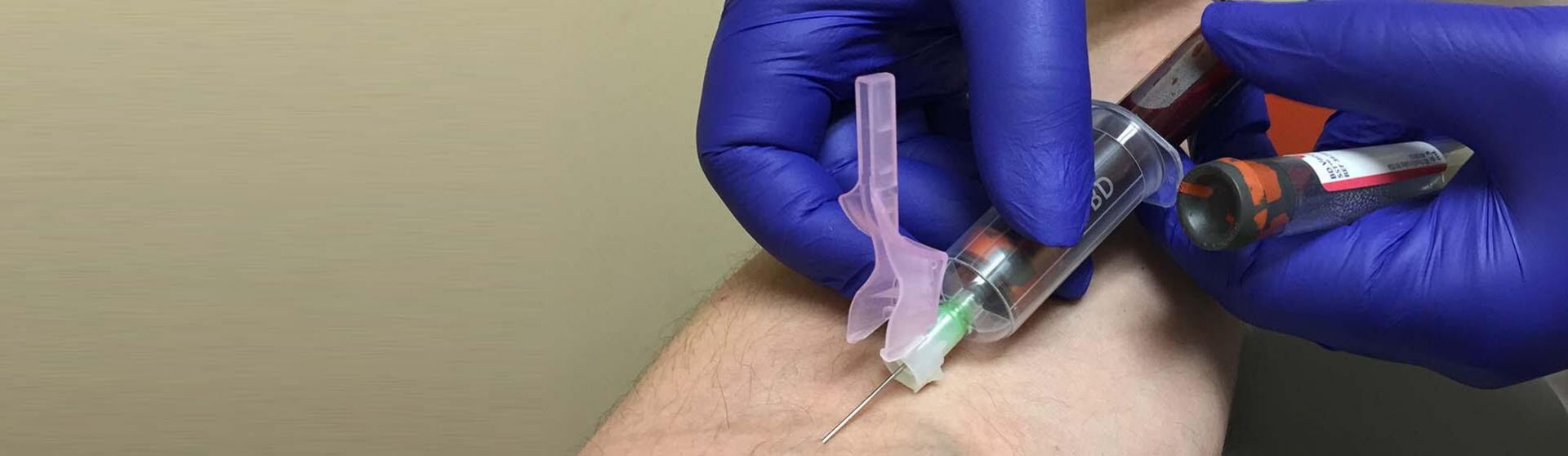
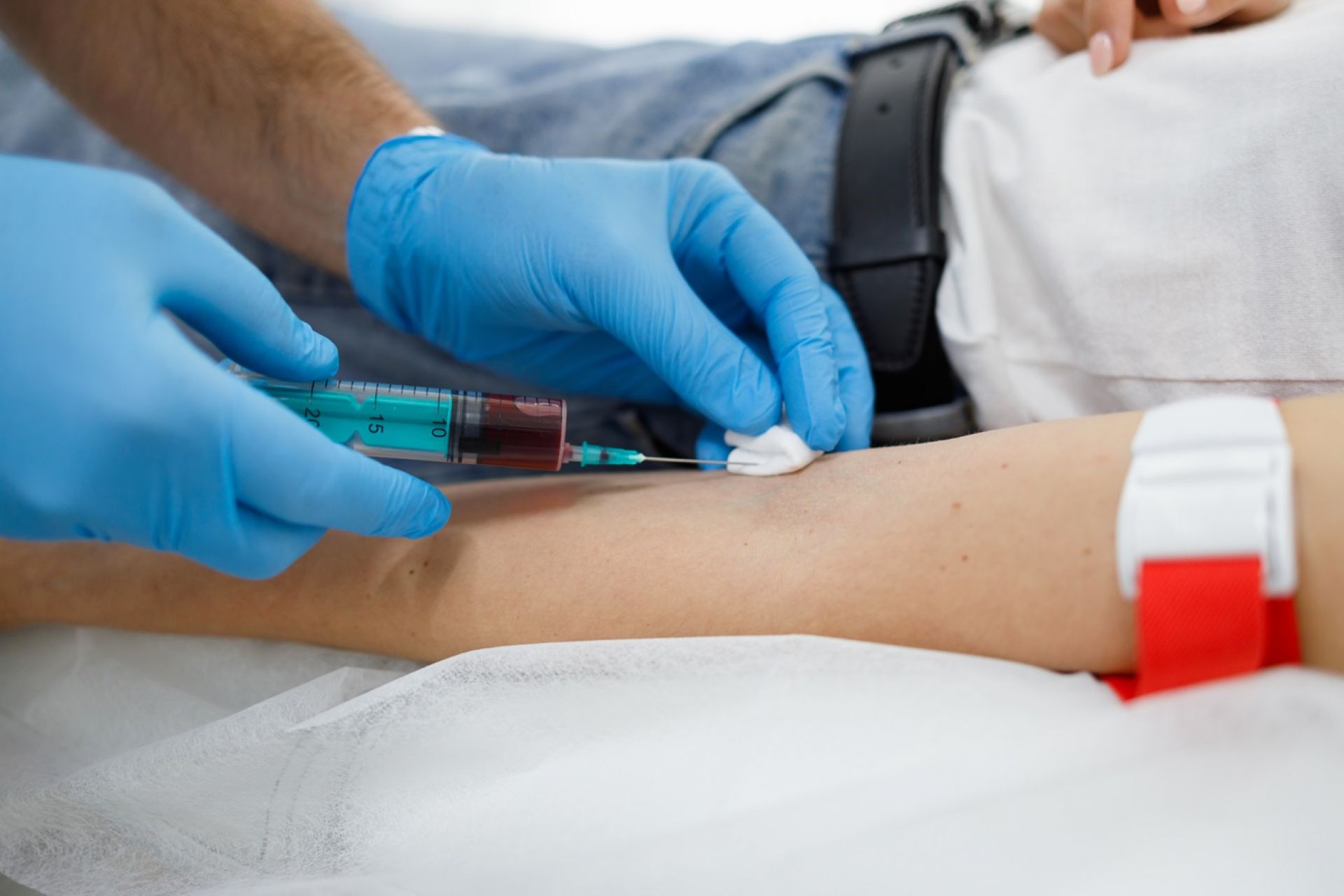
A small quantity of blood is extracted from a vein in your arm with a needle in order to obtain the blood sample.
Proper urine sample collection involves using the midstream technique. It is important to discard the first urine drops to prevent contamination by microorganisms on the genital surface. Before collecting the sample, cleanse the genital area.
The LupiKavach Complete Diabetic Check test plays an important role in evaluating an individual's risk for diabetes and various disorders related to glucose metabolism. Additionally, it can be used to monitor blood sugar levels over time in individuals diagnosed with diabetes.
Test reports should be interpreted by a qualified medical practitioner, but you can still check the report forms for normal ranges of all tests. If any test in the LupiKavach Complete Diabetic Check shows abnormal results, consult your healthcare provider. It is important to avoid self-medicating or beginning any treatment without consulting a healthcare provider.
To manage blood sugar levels:
- Monitor your sugar levels, blood pressure, and cholesterol regularly.
- Exercise regularly.
- Consume a balanced healthy diet.
- Go for regular health check-ups.
LupiKavach Complete Diabetic Check